
Trenchless Sewer Repair
Methods for repairing or replacing underground sewer pipes with minimal excavation. The two main methods are CIPP lining (pipe-in-pipe) and pipe bursting (pull-through replacement).
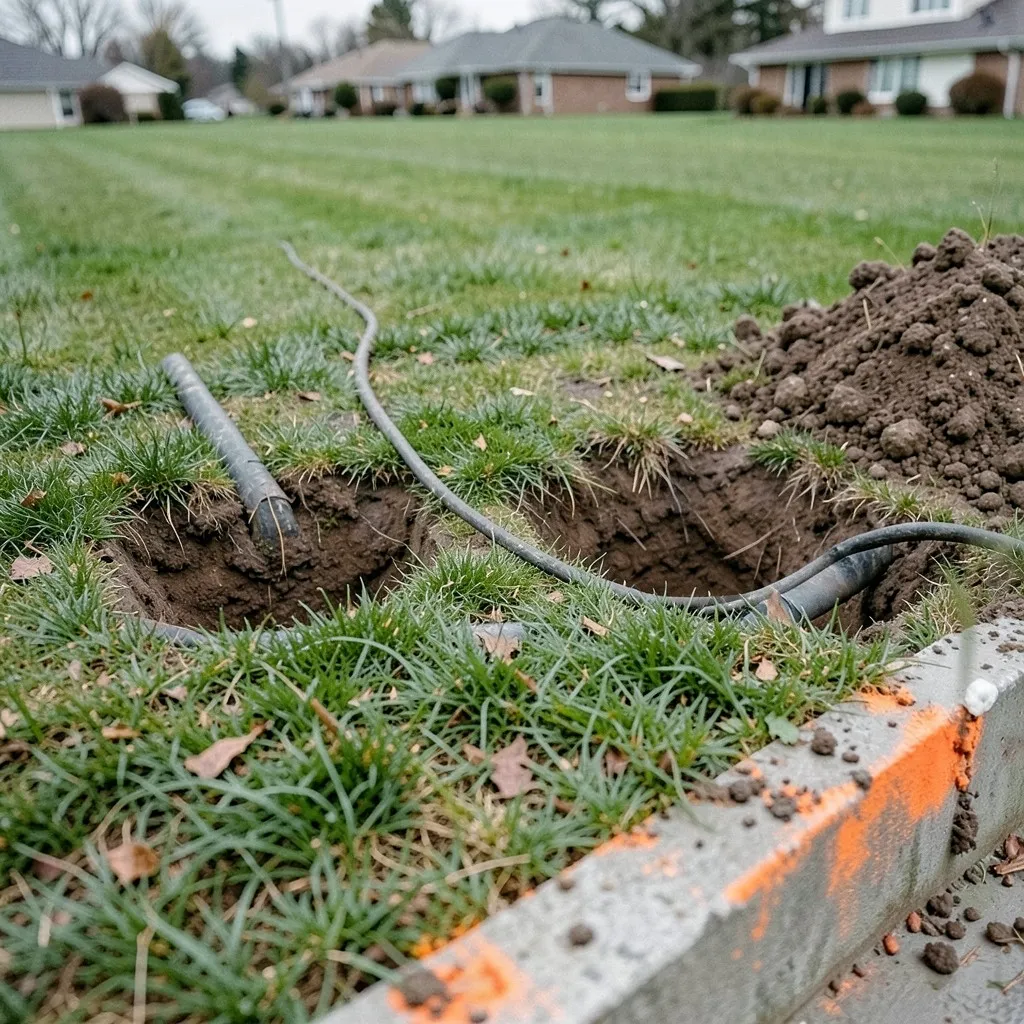
Trenchless sewer repair is an umbrella term for methods that rehabilitate or replace underground sewer laterals and water mains with minimal excavation. Instead of digging a full trench across your yard, driveway, or sidewalk, trenchless methods work from small access pits at each end of the pipe run.
The two main trenchless methods:
What is CIPP (cured-in-place pipe)?
A felt liner saturated with epoxy resin is inserted into the existing damaged pipe and cured in place using hot water, steam, or UV light. The result is a new pipe inside the old pipe. Best for: cracked, corroded, or root-infiltrated pipes that are structurally stable enough to support the liner. Does not work for fully collapsed pipes.
What is pipe bursting?
A bursting head is pulled through the existing pipe, fragmenting it outward into the soil while pulling a new HDPE pipe in behind it. Best for: fully collapsed pipes or pipes that need to be upsized. Requires two access pits (entry and exit).
When does trenchless repair make sense?
- Pipe runs under a finished driveway, patio, or landscaping
- Deep pipes where trenching is expensive or disruptive
- Pipes under a public sidewalk where city restoration fees would be significant
- Historic properties where surface disturbance is restricted
How does trenchless cost compare to open-cut repair?
Trenchless typically runs 10–30% more than open-cut excavation on the pipe work itself, but that difference often disappears when you factor in surface restoration (concrete, asphalt, pavers, landscaping) — which trenchless eliminates entirely.
Not every pipe is a trenchless candidate. A sewer camera inspection is mandatory before any trenchless bid — the camera reveals whether the host pipe can support CIPP lining or whether pipe bursting is feasible given soil conditions and proximity to other utilities.
Researching the term is one thing — hiring for it is another. See sewer line repair services for scope, timelines, and what drives the price, or call (888) 530-4445 for a no-cost estimate.
For the full picture — materials, process, timelines and what drives the cost — read Sewer Line Repair: The Complete Guide.
What related terms should you know?
What sources back this up?
Need a verified plumber for sewer line repair?
AlertPlumber matches you with a licensed plumber for sewer line repair. Written estimate before any work begins.