
Plumbing Vent (Vent Stack)
Pipes that connect the drain-waste system to outdoor air, preventing siphoning of P-trap water seals and allowing sewer gases to escape safely through the roof.
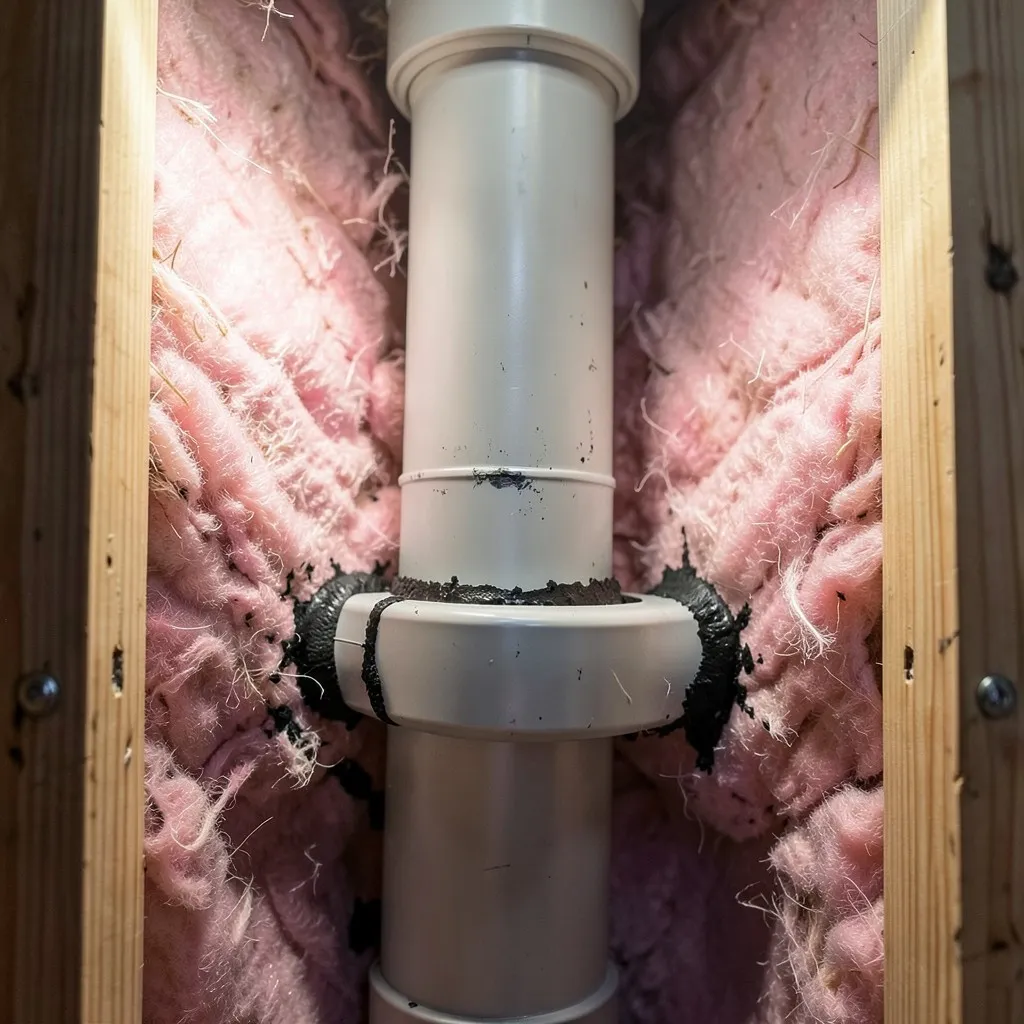
A plumbing vent (also called a vent stack or vent pipe) is a vertical or sloped pipe that connects the drain-waste system to outside air — typically exiting through the roof. Vents serve two critical functions: they prevent the siphoning of water from P-traps, and they allow sewer gases to escape safely outside rather than building up inside the home.
Why are plumbing vents non-negotiable?
When water drains through a pipe, it creates a partial vacuum behind it — similar to pulling your thumb off the top of a straw. Without a vent to admit air, this vacuum siphons the water out of nearby P-traps. An empty P-trap is an open path for methane, hydrogen sulfide, and other sewer gases into the living space.
What are the signs of a venting problem?
- Gurgling sounds from drains (air being pulled past the trap water seal)
- Slow drainage that can't be explained by a clog
- Sewer smell appearing after using a nearby fixture
- Multiple fixtures slowing simultaneously (a vent serving a whole branch is blocked)
What are the types of plumbing vents?
- True vent — connects to the drain stack and runs up to the roof; the most reliable
- Wet vent — one pipe serves as both drain and vent for nearby fixtures; allowed by code in specific configurations
- Air admittance valve (AAV) — a mechanical one-way valve that admits air without roof penetration; code-permitted in many jurisdictions for individual fixtures
- Island vent (cheater vent) — used for kitchen islands where a straight vertical vent isn't possible
Blocked roof vents are a common cause of slow-drain complaints, especially after winter. Bird nests, ice dams, and debris can fully block a vent stack. A plumber will use a camera or clear the obstruction from the roof. Never attempt to cap or reduce a vent — it violates plumbing code in all US jurisdictions.
Researching the term is one thing — hiring for it is another. See drain cleaning services for scope, timelines, and what drives the price, or call (888) 530-4445 for a no-cost estimate.
For the full picture — materials, process, timelines and what drives the cost — read Drain Cleaning: The Complete Guide.
What related terms should you know?
What sources back this up?
Need a verified plumber for drain cleaning?
AlertPlumber matches you with a licensed plumber for drain cleaning. Written estimate before any work begins.