
Pilot Light
A small, continuously burning gas flame inside a water heater or furnace that ignites the main burner when heat is needed.
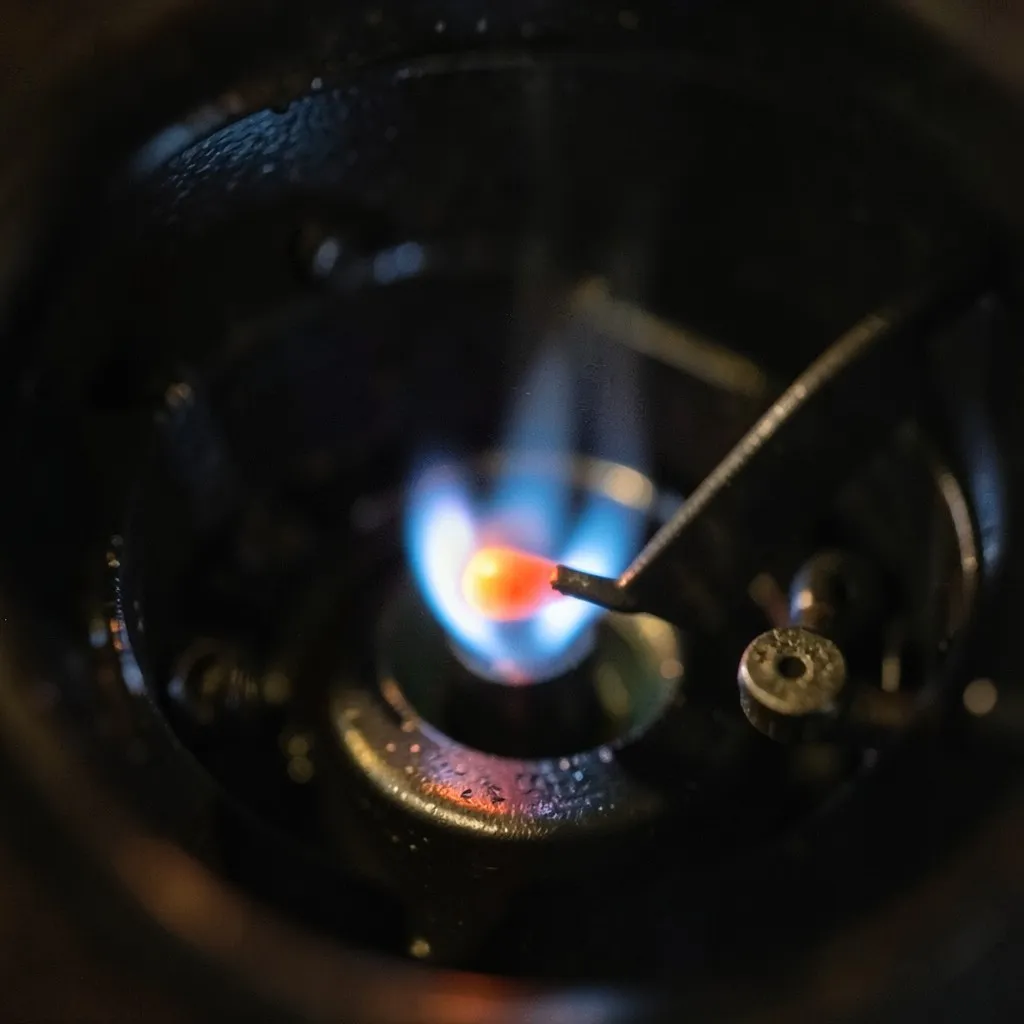
A pilot light is a small, continuously burning flame inside a gas-powered appliance — most commonly a water heater, boiler, or furnace. Its job is to ignite the main burner the instant the thermostat calls for heat. When the pilot goes out, the appliance produces no hot water or heat until the pilot is relit.
Standing pilot vs. electronic ignition — which is better?
Older appliances use a standing pilot — the flame burns 24/7, consuming a small but continuous amount of gas (roughly $7–$12/year). Most appliances manufactured after 2010 use electronic ignition (intermittent pilot or direct spark), which fires only when the burner needs to light, saving energy and eliminating the failure-prone thermocouple.
Why do pilot lights go out?
- Thermocouple failure — the most common cause (see thermocouple)
- Drafts from nearby HVAC vents, open doors, or combustion air issues
- Debris clogging the pilot orifice
- Gas supply interruption (valve off, low pressure, utility outage)
- Condensation dripping onto the flame in humid basements
How do you relight a pilot light?
- Turn the gas control knob to "OFF" and wait 5 minutes for any gas to clear.
- Turn the knob to "PILOT."
- Press and hold the knob (or a separate red button) to open the pilot gas supply.
- While holding, use a long lighter or push the piezo igniter button to light the pilot.
- Keep the knob held for 30–60 seconds after the flame lights, then release slowly.
- If the flame holds, turn the knob to your desired temperature setting.
If the pilot won't stay lit after 2–3 attempts, the thermocouple likely needs replacing — a $10–$25 part that most homeowners can swap in 30 minutes.
What should you do if you smell gas?
Never relight a pilot if you smell gas. Leave the building, avoid switches and flames, and call your gas utility from outside. A persistent gas odor means a leak, not a simple pilot outage.
Researching the term is one thing — hiring for it is another. See water heater repair services for scope, timelines, and what drives the price, or call (888) 530-4445 for a no-cost estimate.
What related terms should you know?
What sources back this up?
Need a verified plumber for water heater repair?
AlertPlumber matches you with a licensed plumber for water heater repair. Written estimate before any work begins.