
Mixing Valve
A valve that blends hot and cold water to a set output temperature — used on water heaters, showers, and point-of-use applications to prevent scalding and ensure consistent temperature.
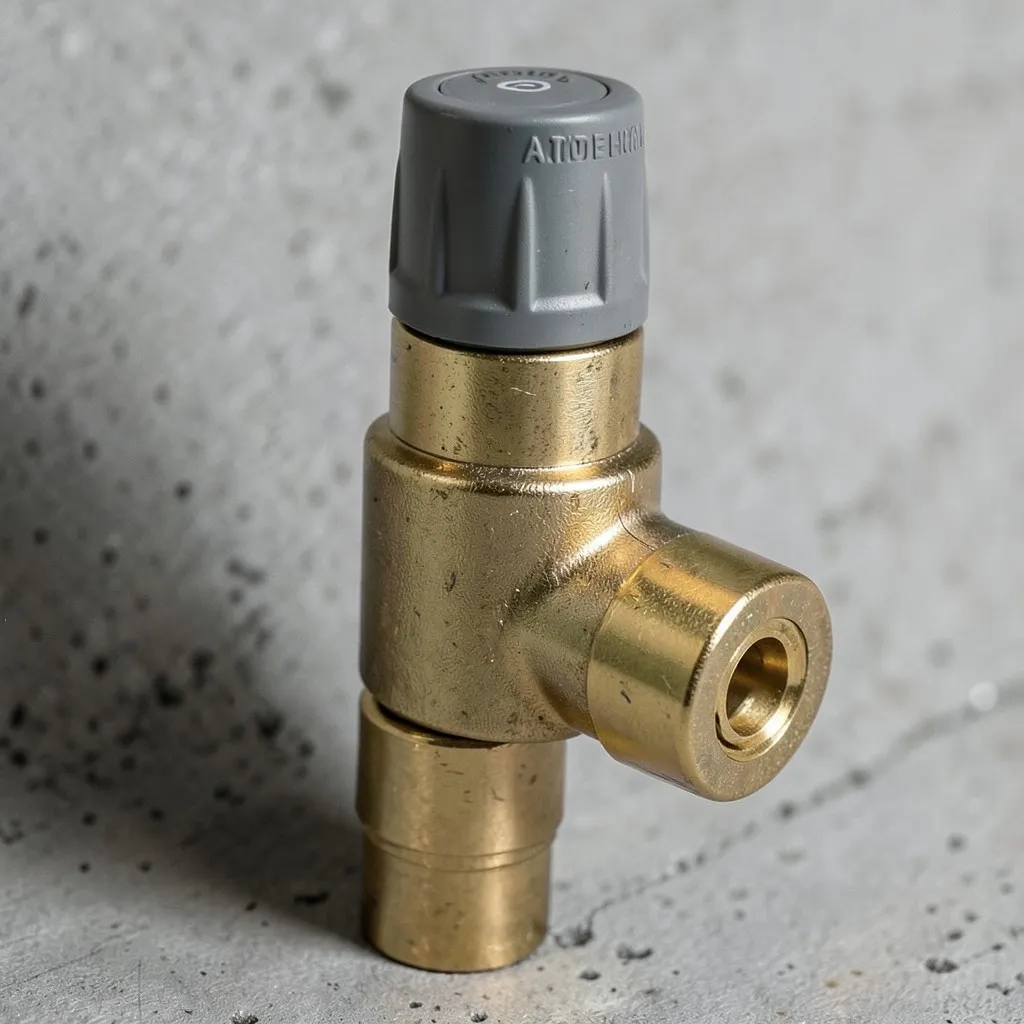
A mixing valve (also called a thermostatic mixing valve or TMV) blends hot and cold water to a pre-set output temperature, regardless of fluctuations in inlet pressures or temperatures. Unlike a pressure-balance valve (which responds only to pressure changes), a thermostatic mixing valve monitors and adjusts to actual water temperature — making it the gold standard for scald protection in residential and commercial applications.
How does a thermostatic mixing valve work?
A wax-element or bimetallic thermal actuator inside the valve responds directly to water temperature. As the hot or cold inlet temperature changes, the actuator expands or contracts to adjust the blend ratio and maintain the set output temperature. Most residential TMVs are factory-set to 110–120°F and can be adjusted within a range (typically 85–140°F).
Where are mixing valves installed?
- At the water heater: allows the tank to be set to 140°F (killing legionella bacteria) while delivering 120°F to fixtures — eliminating both Legionella risk and scald risk simultaneously
- At tub/shower valves: provides precise temperature control in combination shower/tub fixtures
- At accessible bathrooms: required by ADA and many codes for residential care facilities, elder care, and pediatric applications
- At dishwashers and laundry: where consistent water temperature improves cleaning performance
TMV or pressure-balance valve — what's the difference?
Pressure-balance valves (required in new construction showers) compensate for pressure changes to maintain temperature within ±3°F. TMVs compensate for both pressure AND temperature changes, maintaining temperature within ±1°F. TMVs cost more ($100–$400 vs. $30–$150 for a pressure-balance valve) but provide superior protection, especially in households where water heater temperature varies (as it does when sediment accumulates).
Researching the term is one thing — hiring for it is another. See water heater installation services for scope, timelines, and what drives the price, or call (888) 530-4445 for a no-cost estimate.
For the full picture — materials, process, timelines and what drives the cost — read Water Heater Replacement: The Complete Guide.
What related terms should you know?
What sources back this up?
Need a verified plumber for water heater installation?
AlertPlumber matches you with a licensed plumber for water heater installation. Written estimate before any work begins.