
Low-Flow Toilet
A toilet that uses 1.6 gallons per flush (GPF) or less, compared to older 3.5–7 GPF models. Required by federal law since 1994 — WaterSense-labeled toilets use 1.28 GPF.
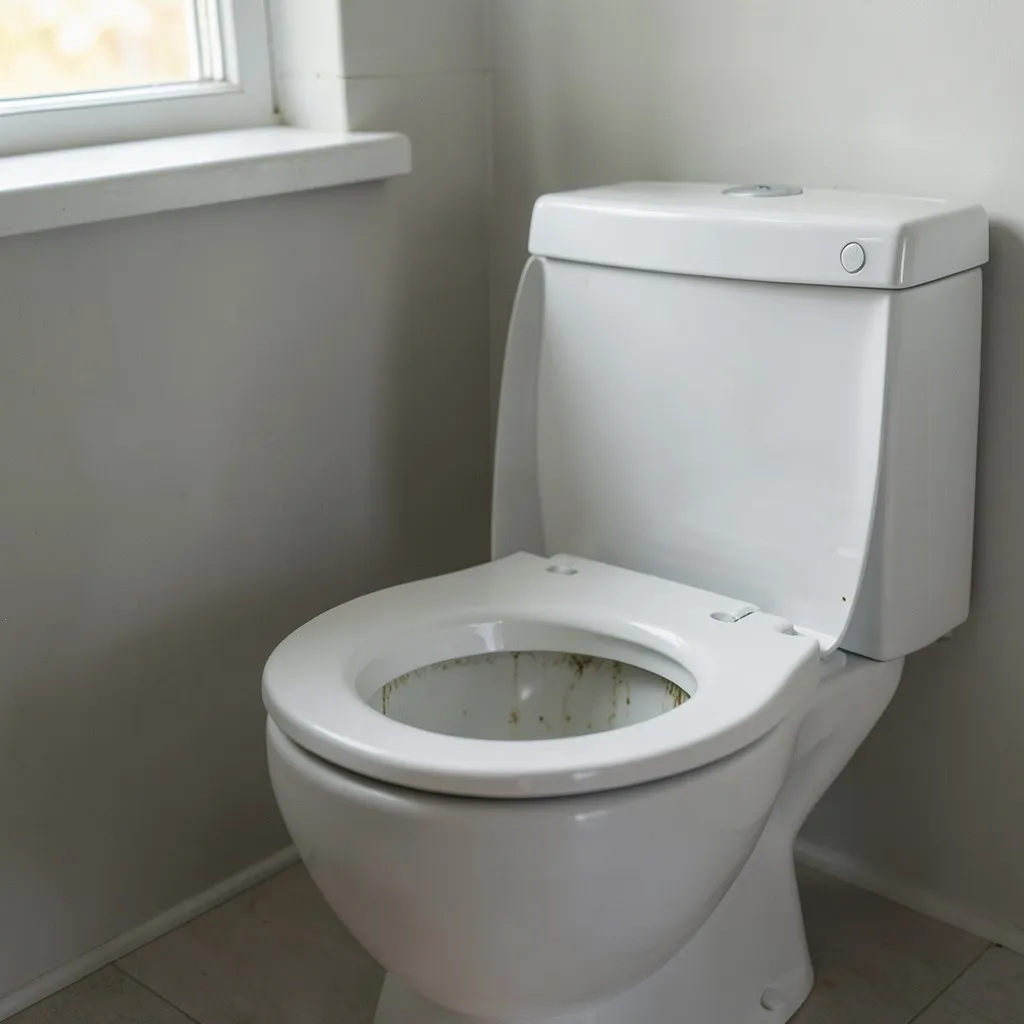
A low-flow toilet is any toilet using 1.6 gallons per flush (GPF) or less — the maximum permitted by U.S. federal law since 1994 (Energy Policy Act of 1992). Compared to toilets from the 1980s that used 3.5–7 GPF, modern low-flow models save a family of four approximately 16,000–22,000 gallons of water per year — about 30% of total household water use.
What are the low-flow toilet standards?
- 1.6 GPF: the federal maximum since 1994 — the "standard" flush for most toilets sold today.
- 1.28 GPF (HET — High Efficiency Toilet): the EPA WaterSense certification threshold. Toilets with this label use at least 20% less water than the 1.6 GPF federal standard while meeting performance requirements (passing the 350g MaP flush test). The most efficient single-flush option.
- Dual-flush (0.8/1.28 GPF): two flush buttons — a smaller volume for liquid waste and a full volume for solid waste. The most water-efficient option overall, common in Europe and increasingly popular in the U.S.
- Ultra-high-efficiency (0.5–0.8 GPF): pressure-assist toilets that use compressed air to boost flushing power — can achieve effective flushes at very low volumes. Common in commercial applications and some residential water-scarce markets.
How has low-flow toilet performance evolved?
First-generation 1.6 GPF toilets (mid-1990s) earned a poor reputation for multiple flushes. Modern HET toilets — with improved trapway geometry, glazed internal passages, and refined rim jet design — routinely outperform older 3.5 GPF toilets in independent Maximum Performance (MaP) testing. A low MaP score is the spec to check when comparing toilets, not just flush volume.
What rebates are available for low-flow toilets?
Many water utilities offer $50–$200 rebates for replacing pre-1994 toilets or non-WaterSense-certified toilets with qualifying HET models. Check your local utility's website before purchasing.
Researching the term is one thing — hiring for it is another. See toilet repair services for scope, timelines, and what drives the price, or call (888) 530-4445 for a no-cost estimate.
What related terms should you know?
What sources back this up?
Need a verified plumber for toilet repair?
AlertPlumber matches you with a licensed plumber for toilet repair. Written estimate before any work begins.