
Toilet Fill Valve
The mechanism inside the toilet tank that controls water refilling after a flush. A faulty fill valve causes running toilets, slow refills, and noisy operation.
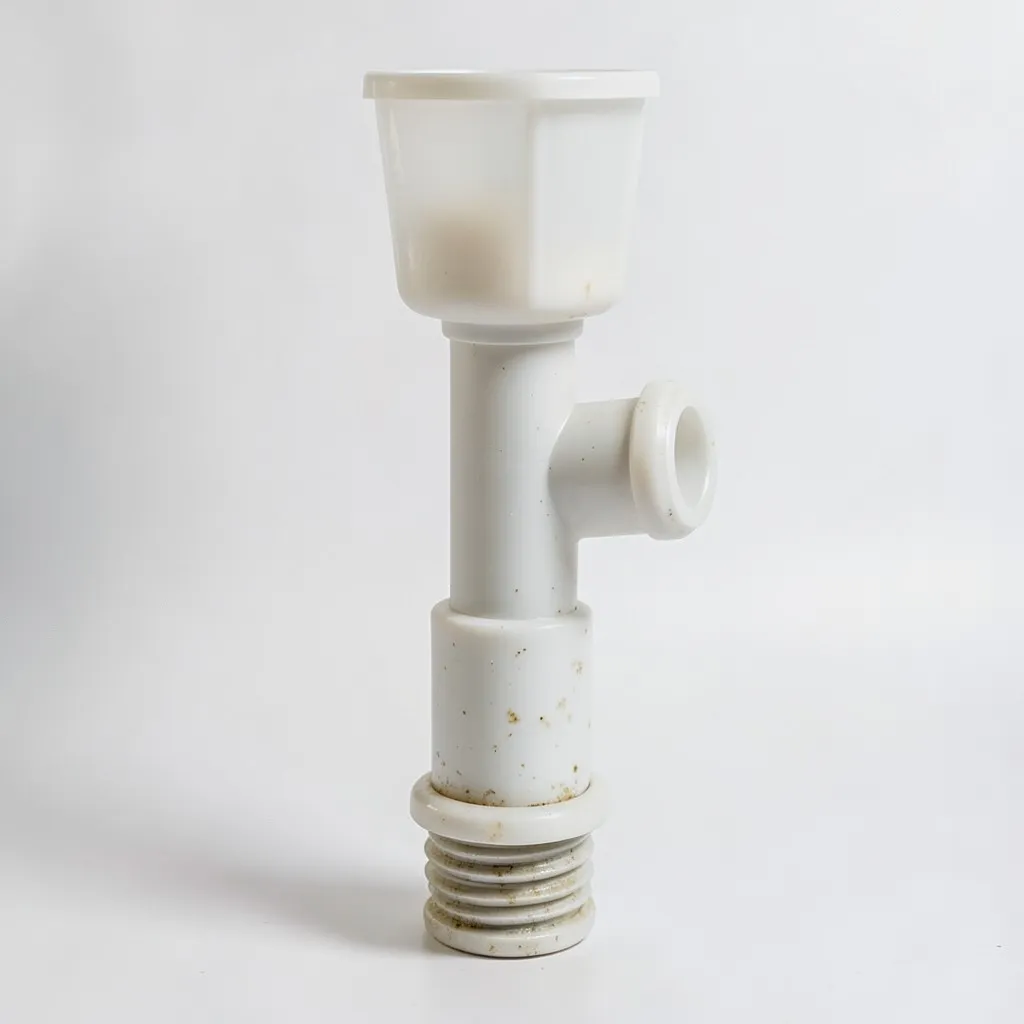
The toilet fill valve (also called a ballcock) is the mechanism inside the toilet tank that controls the water refilling process after each flush. When you flush, the tank empties and the fill valve opens — allowing water to rush back in. As the water level rises, a float attached to the fill valve rises with it until it triggers the valve to close at the correct fill level. If the fill valve fails, you get a running toilet, a tank that fills too slowly, or one that overfills and runs water down the overflow tube.
What types of fill valves are there?
- Float-ball ballcock (old style): a large plastic ball on an arm; as water rises, the arm pivots to close a diaphragm. Common in pre-1990s toilets — bulky, prone to failure, being phased out.
- Floatless fill valve (Fluidmaster style): the modern standard. Uses an integrated float that travels up and down on the valve body itself, making it compact and adjustable. Most common replacement valve.
- Dual-flush fill valve: found in water-conserving toilets; works with dual-flush mechanisms to fill precisely to the line appropriate for each flush type.
What are the signs of fill valve failure?
- Toilet runs constantly (water audible in bowl after tank fills)
- Tank refills very slowly — takes more than 3 minutes after a flush
- Hissing sound from tank between flushes
- Water level in tank is wrong (too high overflows into the bowl; too low causes weak flushes)
How do you replace a fill valve?
Replacing a fill valve costs $8–$20 for the part and takes 15–20 minutes: shut off the angle stop, flush and sponge out remaining water, disconnect the supply line, unscrew the locknut under the tank, remove the old valve, install the new one, adjust the float height per the tank's "fill line" marking, and reconnect. A plumber charges $75–$150 to replace a fill valve — reasonable if you're uncomfortable working in the tank.
Researching the term is one thing — hiring for it is another. See toilet repair services for scope, timelines, and what drives the price, or call (888) 530-4445 for a no-cost estimate.
What related terms should you know?
What sources back this up?
Need a verified plumber for toilet repair?
AlertPlumber matches you with a licensed plumber for toilet repair. Written estimate before any work begins.