
Garbage Disposal
An electrically powered device installed under the kitchen sink that grinds food waste into small particles that can pass through drain pipes into the sewer.
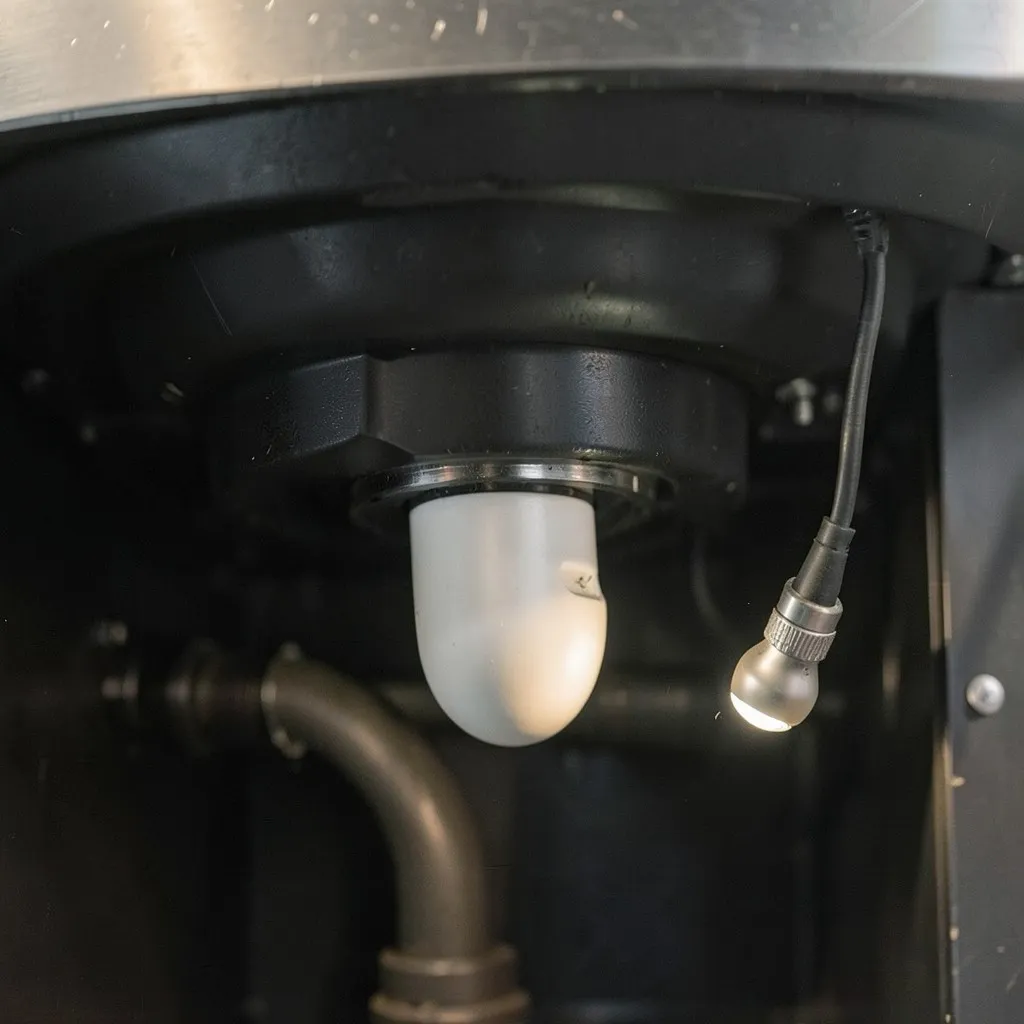
A garbage disposal (formally called a food waste disposer) is an electrically powered grinding unit installed between the kitchen sink drain and the drain trap. When activated, it spins impellers at 1,725–2,800 RPM, using centrifugal force to fling food waste against a stationary grinding ring, reducing it to fine particles that wash down the drain with cold running water.
What types of garbage disposal are there?
- Continuous feed: the most common residential type. Activates with a wall switch; accepts food waste continuously while running. Sizes range from ⅓ HP (light duty) to 1+ HP (heavy duty).
- Batch feed: requires loading waste and sealing with a stopper/cover before activation. Slightly safer (no exposed opening while grinding) but less convenient.
How do you use a garbage disposal correctly?
Run cold water (not hot) before, during, and 20–30 seconds after grinding. Cold water solidifies fats so they grind and flush rather than coating the grinding ring. Safe items: vegetable scraps, cooked food, soft fruits, coffee grounds (in moderation), ice cubes (sharpens the impellers). Avoid: grease and oils, fibrous foods (celery, corn husks, artichokes — wrap around impellers), hard items (bones, fruit pits, shells), starchy foods in quantity (pasta, potato peels — swell and create paste).
How do you troubleshoot a garbage disposal?
- Won't turn on: press the red reset button on the bottom of the unit — a thermal overload tripped from jamming or overuse
- Humming but not spinning: impeller is jammed; use the hex wrench in the socket on the unit's bottom to manually free it, then use disposal tongs to remove the obstruction
- Leaking from bottom: internal seals have failed — replacement is more practical than repair
- Persistent odor: grind ice and citrus peels; flush with baking soda and vinegar
What does a replacement garbage disposal cost?
A disposal unit costs $80–$350. Installation runs $150–$350 for a plumber, or it's a straightforward DIY job (mount, twist-lock, connect drain, wire). Average lifespan is 8–15 years.
Researching the term is one thing — hiring for it is another. See garbage disposal repair services for scope, timelines, and what drives the price, or call (888) 530-4445 for a no-cost estimate.
What related terms should you know?
What sources back this up?
Need a verified plumber for garbage disposal repair?
AlertPlumber matches you with a licensed plumber for garbage disposal repair. Written estimate before any work begins.