
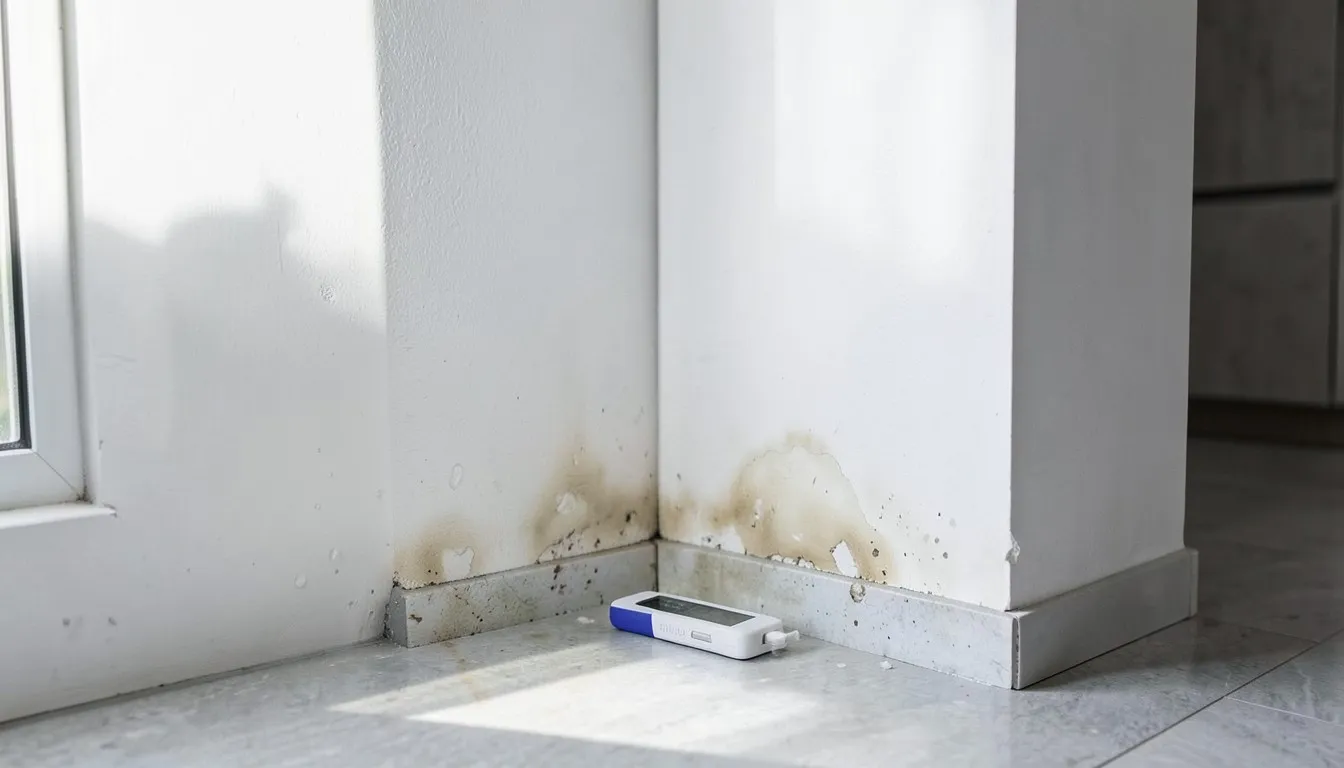
Emergency Leak Detection in Tampa, Florida
Camera first, quote second — know exactly what's wrong in your Tampa home before you approve a dollar.
Local plumbing data for Tampa, FL
Seeing these conditions at your place in Tampa? A state-licensed plumber can confirm it over the phone — free, no obligation.
Pipe conditions in Tampa, FL
Non-invasive leak detection uses acoustic amplification, thermal imaging, and pressure isolation to locate water loss in supply lines and drain systems without opening walls or floors. Tampa homes with galvanized or older copper supply runs face the highest pinhole leak incidence — a slow leak inside a wall cavity can cause mold and structural damage for months before becoming visible. A professional leak detection prevents unnecessary demolition by confirming the exact break location before any drywall is cut. AlertPlumber connects you with a Florida-licensed plumber who locates first and opens second.
Post-war and modern-era construction in Tampa — median home age 50 years — frequently includes copper supply lines embedded in slab foundations, common in tract construction from the 1960s through the 1980s. Hard water accelerates pinhole corrosion from the exterior of slab-embedded copper; when a leak develops, access requires either epoxy lining through existing penetrations or controlled slab opening for section replacement.
Hard water in Tampa accelerates scale buildup inside water heater tanks, on heating elements, and at fixture connections. Sediment accumulation in tank heaters reduces efficiency and shortens element life; visible deposits at aerators and showerheads are an early indicator. A licensed plumber can assess whether a water softener or conditioner is appropriate for the home's service configuration.
- Median home age
- 50 yrs
- Water hardness
- 8 gpg
- Frost line
- 0 in.
- Lead lines
- Active replacement
- Permit
- $95
A licensed FL plumber reads these conditions the moment you describe the symptom.
Leak Detection in Tampa: Local Infrastructure Context
Post-war slab construction dominates 50-year-old housing here, placing copper supply lines in concrete contact throughout the existing stock. Tampa Bay Water supply delivers approximately 8 grains per gallon — hard classification — while the sulfate-laden Floridan Aquifer geology introduces elevated sulfate concentrations that attack copper exteriors from the concrete-pipe interface. Internal mineral scale and external sulfate corrosion combine to thin copper wall sections at elbows and tee connections, concentrating pinhole failures at those fitting locations rather than along straight pipe runs.
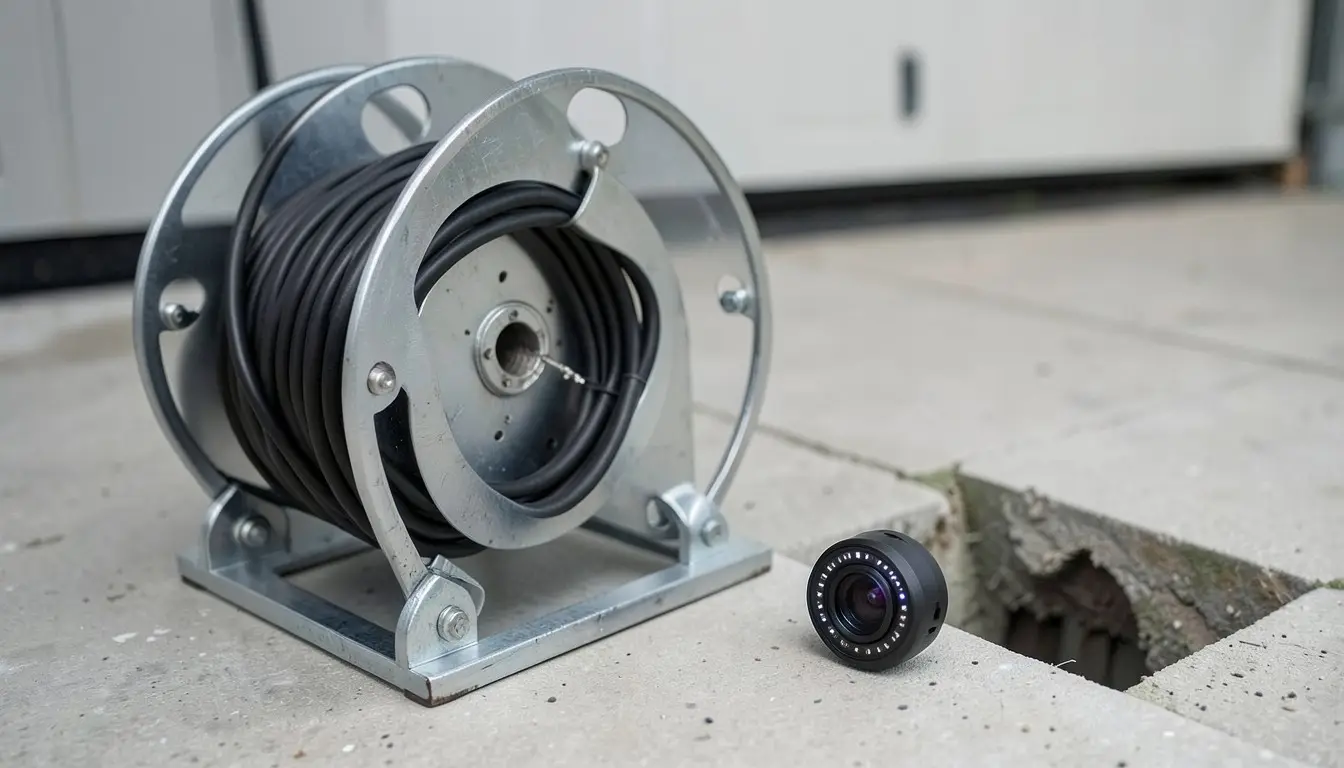
Acoustic detection locates the pressure-noise signature of an active slab-embedded pinhole without requiring concrete excavation to confirm the leak position. Sandy Floridian soils beneath Tampa's slab foundations transmit acoustic signals reliably, allowing accurate transducer readings along the supply route with standard calibration. Pressure-drop testing establishes that a leak is present but cannot localize it — acoustic confirmation before any slab work prevents cutting at the wrong location.
Hillsborough County requires a $95 permit for detection and repair before any slab or wall surface is closed, with post-repair pressure testing documented before permit closure. Approximately 2,100 lead service lines remain in the distribution system, primarily in pre-1960 neighborhoods — detection work near those service boundaries should include supply-line material identification before repair scope is finalized, since galvanic corrosion at lead-copper transitions can produce pressure-drop symptoms similar to slab pinhole failure.
What shapes plumbing demand in Tampa, FL
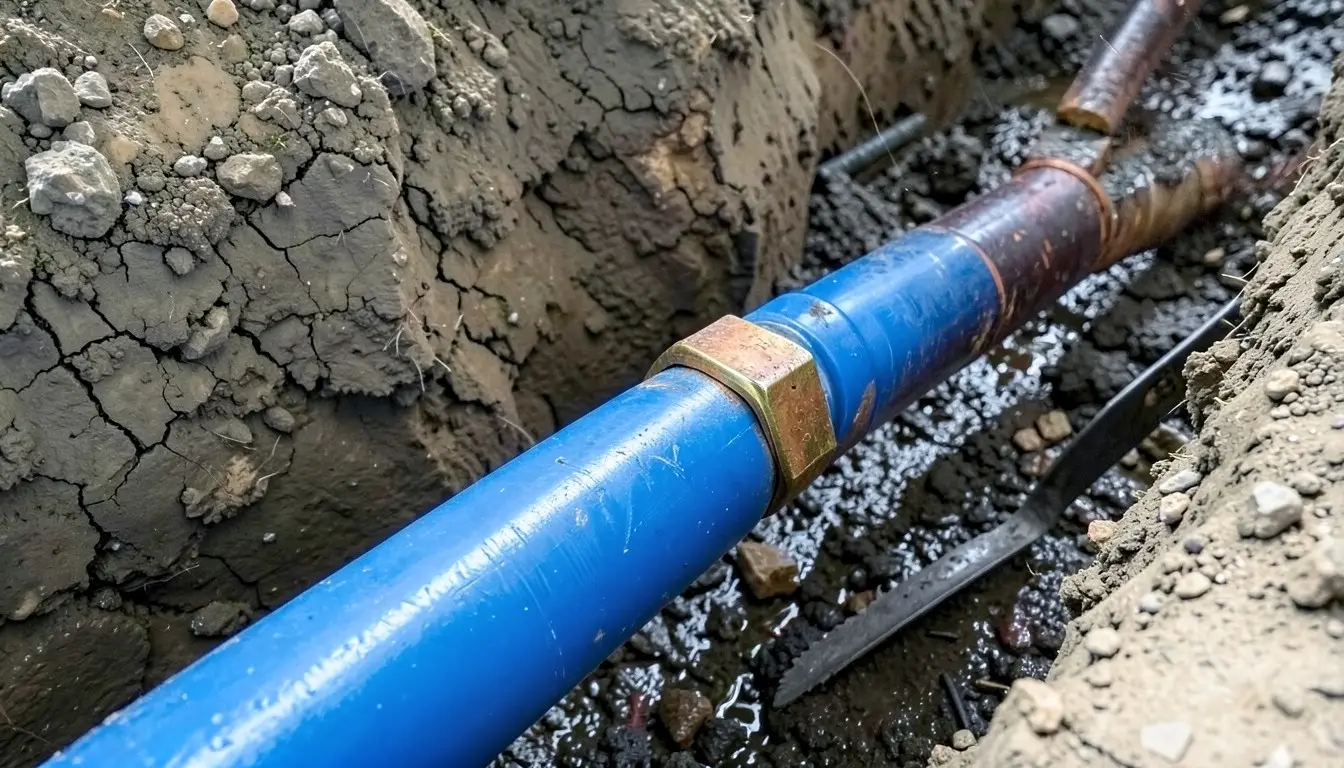
1950s–70s copper supply is now 50–70 years into its service cycle in Tampa. Thermal fatigue at fittings and slab-on-grade access complexity — common in Sun Belt construction — make repair vs. replacement a live decision on most jobs. This housing cohort is the active primary replacement wave in this market.
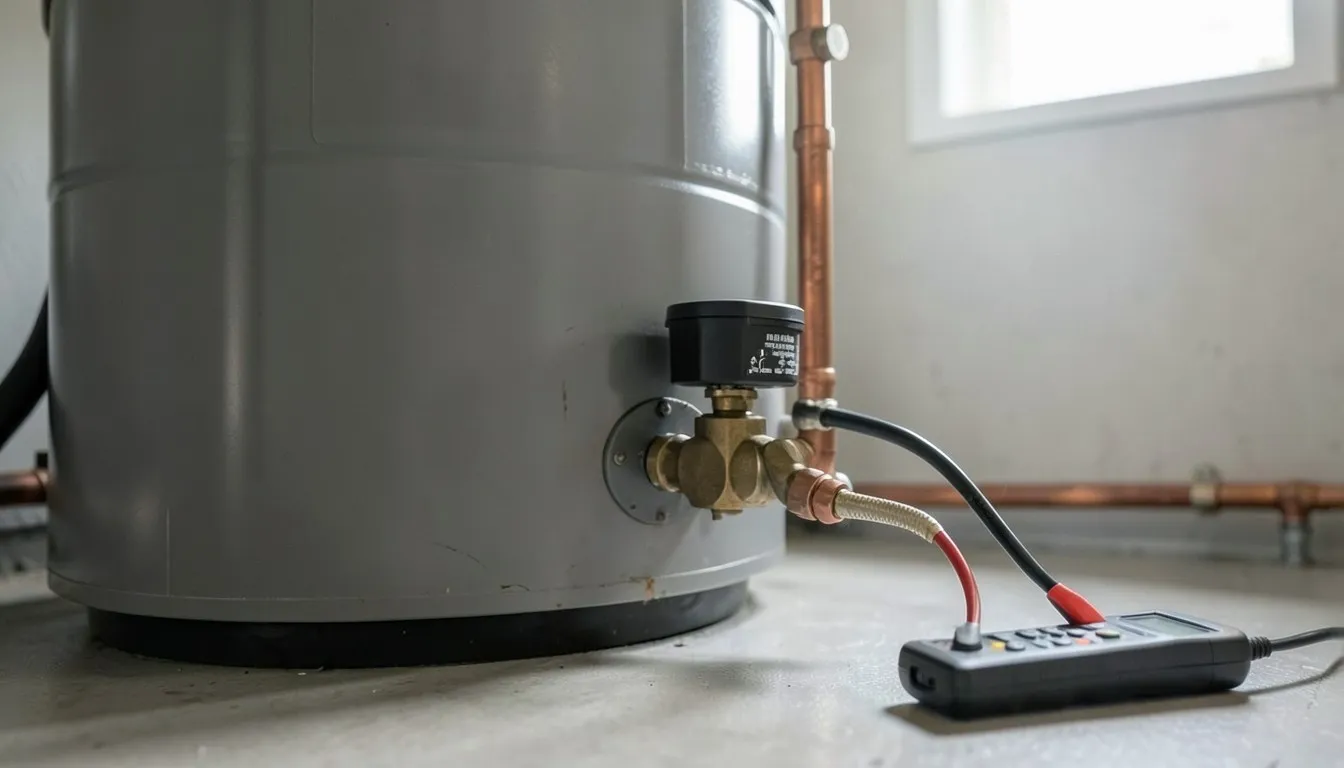
8–14 GPG shortens water heater service life to 8–11 years in Tampa and drives rolling maintenance demand at aerators, shower cartridges, and heat exchanger ports. Annual flushing prevents premature failure; skipped maintenance cycles push units toward early replacement. Scale-related calls represent a significant share of the annual service workload here.
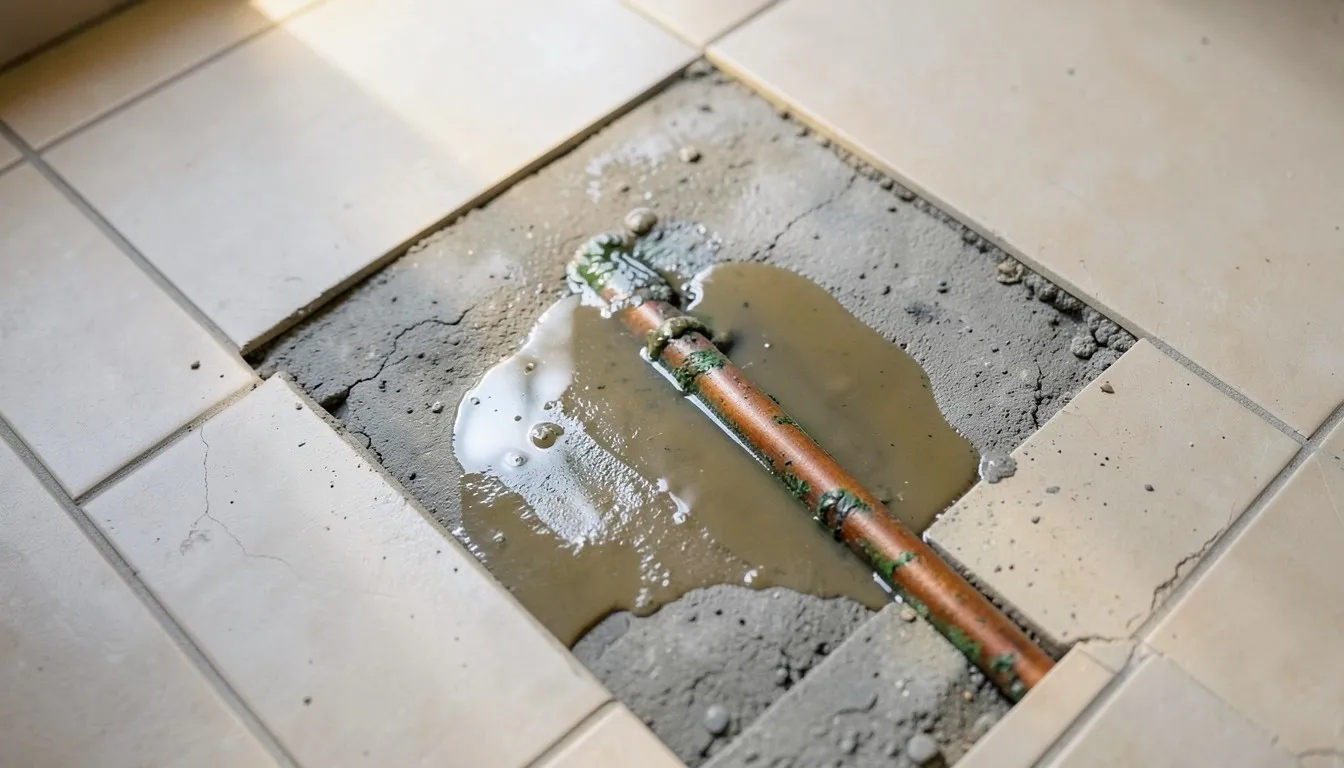
Summer heat above 95–115°F in Tampa keeps sediment in suspension inside tank water heaters — accelerating element failure instead of allowing sediment to settle and flush. Attic-mounted supply lines face diurnal thermal stress year-round. Root intrusion concentrates around irrigated landscaping rather than distributing evenly across the full sewer lateral path.
Tampa: diagnose first, repair second
Describe the symptom — not the repair. AlertPlumber routes to a FL-licensed plumber trained in diagnostics. The site visit uses camera tracing, acoustic detection, or hydrostatic pressure testing — matched to the reported failure type.
The plumber delivers a written diagnostic report: confirmed failure location, available repair methods, and tradeoffs — disruption level, material durability, long-term cost, and whether a Tampa building permit applies to the selected method.
You select the repair path. The Florida-licensed plumber proceeds on the authorized method with a fixed scope and price. Where required, the permit application to Tampa is handled by the contractor.
Leak Detection cost calculator — Tampa
Pre-filled for leak detection in Tampa. Adjust the ZIP for a neighboring area, or change the service to compare. Calculator pulls from the city's scraped permit-fee + state plumber-density data.
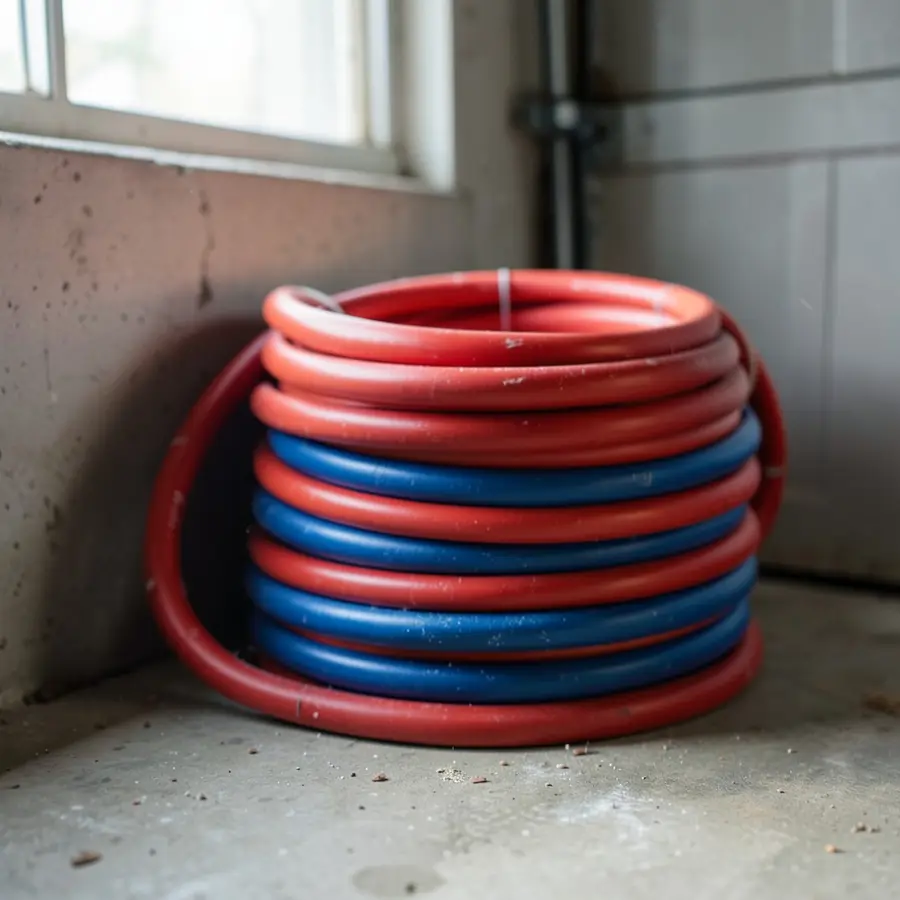
Leak Detection in Tampa — the longer it runs, the more it costs.
Slow failures compound: soft pipe walls, root penetration, mineral buildup. A verified plumber calls back with a scope-first estimate before anything is dug up.
Leak Detection in Tampa — frequently asked
How much does leak detection cost in Tampa, FL?
Tampa acoustic and thermal leak detection typically runs $295-$595 for a single-area survey and $625-$1,150 for a full-property scan covering slab, supply, and pressure-loss isolation. Pricing reflects the $95 City of Tampa Construction Services permit floor on any scope crossing into pipe replacement plus the labor premium for working salt-air pinhole patterns on Davis Islands and the post-tension slab acoustic isolation required across Westchase 1990s-2000s builds. Hillsborough County addresses outside city limits skip the $95 city fee.
How fast can a Tampa leak-detection crew arrive?
Most Tampa-area FL DBPR CFC plumbers in the AlertPlumber network respond within 2-4 hours during business hours and 3-5 hours overnight for active leak calls — the longer lead time covers staging the acoustic correlator, thermal imager, and tracer-gas kit. Hyde Park and Seminole Heights route fastest. Davis Islands calls run longer because the single causeway access to the dredge-fill island bottlenecks during storm surge. With only 2 freeze days per year, winter dispatch is not weather-bound the way it is in northern markets.
Do I need a permit for leak detection in Tampa?
No permit is required for the leak-detection survey itself — acoustic, thermal, and tracer-gas work are diagnostic. The $95 City of Tampa Construction Services permit triggers only when the detection identifies a failure and scope crosses into pipe replacement, slab access, or any code-altering install. The FL DBPR CFC-credentialed plumber pulls the permit on those follow-on jobs and bundles the fee into the written quote alongside the detection findings.
What causes most leaks in Tampa homes?
Three Tampa-specific failure modes drive most detection calls. First, Davis Islands salt-air pinhole corrosion on copper supply lines — the 1920s Mediterranean Revival homes on man-made dredge-fill substrate face chloride aerosol exposure that no inland address sees. Second, Hyde Park 1900s galvanized supply showing rust-tubercle perforation after a century of service. Third, Westchase 1990s-2000s post-tension slab construction where supply pinholes hide under the slab and require acoustic correlator work to locate without unnecessary concrete cutting. 8 gpg moderately hard water adds modest pressure-driven pinhole risk on aging copper.
Will Tampa homeowners insurance cover leak detection?
Many Florida HO-3 policies cover the detection cost when the underlying leak is a covered water-damage event, subject to deductible. Coverage is more reliable when the matched plumber provides written acoustic-correlator and thermal-imaging findings rather than verbal diagnosis. The flood vs plumbing distinction matters in Tampa — supply-line failure inside the home is plumbing (coverable); storm surge intrusion across Davis Islands or Bayshore is flood (NFIP only). Submit within 30 days of detection with the matched plumber's invoice and findings package.
Can I find a slab leak myself in my Tampa home?
Visible warm-spot on a Westchase slab floor, an unexplained spike in Tampa Water Department billing, or a meter that turns with every fixture shut tells you a leak exists — but pinpointing the location under a post-tension slab without acoustic correlator equipment risks unnecessary concrete cuts that void slab warranty. On Davis Islands salt-air pinhole patterns the leak path often migrates along chloride-corroded copper before surfacing, so naive cutting destroys the diagnostic trail. The matched FL DBPR CFC plumber runs scope-and-correlate before any access cut.
Acoustic, thermal, or tracer gas — which detection method for a Tampa leak?
Method selection depends on pipe location and pressure state. Acoustic correlator handles pressurized supply lines under slab or in wall — first-line for Westchase post-tension slab work. Thermal imaging works on hot-supply leaks where temperature differential is detectable through tile or concrete — common on Hyde Park kitchen runs. Tracer gas (hydrogen-nitrogen mix) is the right call for drain-side leaks where the line is not pressurized and acoustic signal is weak — used on Seminole Heights terra-cotta lateral assessments. The matched plumber sets method after the initial walkthrough.
How often should Tampa homeowners run a preventive leak check?
For Davis Islands salt-air pinhole-risk addresses with copper supply older than 30 years, an annual acoustic survey is reasonable. For Hyde Park 1900s galvanized supply, every 24-36 months until repipe. For Westchase 1990s-2000s post-tension slab homes, every 4-6 years unless a billing spike or warm-spot symptom surfaces sooner. Any home in the storm surge backflow zone (Davis Islands, Bayshore, Beach Park) should run a post-storm pressure-decay test after any named tropical system to catch shell-hash debris damage to supply transitions.
Are AlertPlumber-matched leak-detection plumbers verified in Florida?
Yes. Every plumber matched through AlertPlumber in Tampa for leak-detection work holds active FL DBPR CFC (Certified Plumbing Contractor) credentialing. FL DBPR lists roughly 13,800 active CFC plumbers statewide as of 2024. AlertPlumber verifies the credential against the state database. The contractor provides the CFC number on the callback for public lookup at FL DBPR license verification.
What Tampa neighborhoods and ZIPs does AlertPlumber cover for leak detection?
AlertPlumber covers all Tampa 336xx ZIP prefixes for leak detection — 33602 (downtown/Channelside), 33603 and 33604 (Seminole Heights), 33605 (Ybor City), 33606 (Hyde Park and Davis Islands for salt-air pinhole work), 33607 (West Tampa), 33609 and 33611 (South Tampa, Beach Park, Bayshore Beautiful), and 33625-33635 covering Westchase post-tension slab work in the western Hillsborough County suburbs. Routing extends to Brandon, Riverview, and Carrollwood. Tampa Water Department service-area calls all handle through the same intake form.
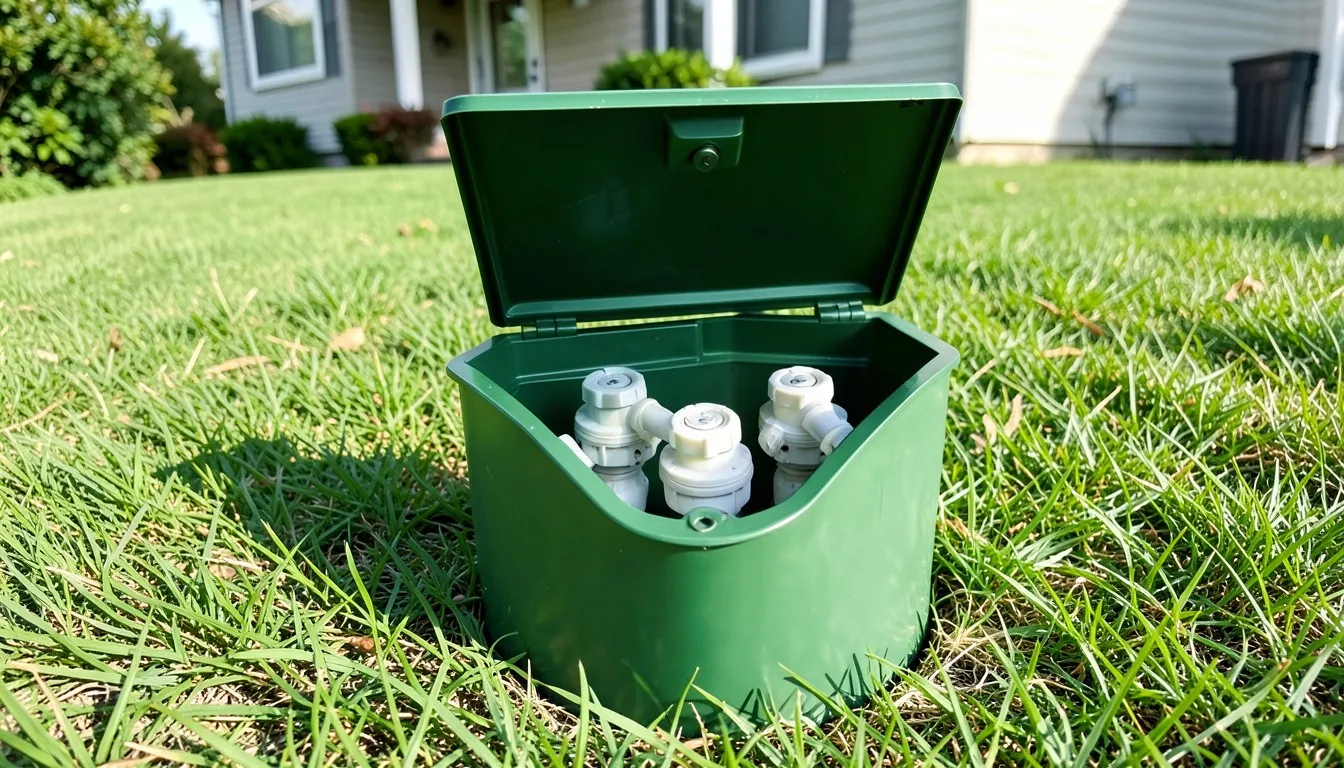
The fix gets cheaper the sooner a plumber sees it.
Degradation problems compound quietly. Call now, or use the form below and a licensed Florida plumber calls you back with a no-obligation estimate for the leak detection.
Request a leak detection callback in Tampa
In a meeting, with the kids, or just prefer not to hold? Drop your ZIP and number below. AlertPlumber routes your request to a verified plumber in your area — they’ll call you back directly.
- 1 Submit your info. ZIP, phone, and what kind of work you need.
- 2 AlertPlumber matches you with a verified plumber serving your area.
- 3 The plumber calls you back with a written estimate, no obligation.
Leak Detection in Tampa — catch it early
Degradation-driven failures worsen over time and cost more to fix the longer they run. A verified FL plumber in Tampa diagnoses your specific condition and provides a written scope before any work begins.