
Emergency Leak Detection in Orlando, Florida
Camera first, quote second — know exactly what's wrong in your Orlando home before you approve a dollar.
Local plumbing data for Orlando, FL
Seeing these conditions at your place in Orlando? A state-licensed plumber can confirm it over the phone — free, no obligation.
Pipe conditions in Orlando, FL
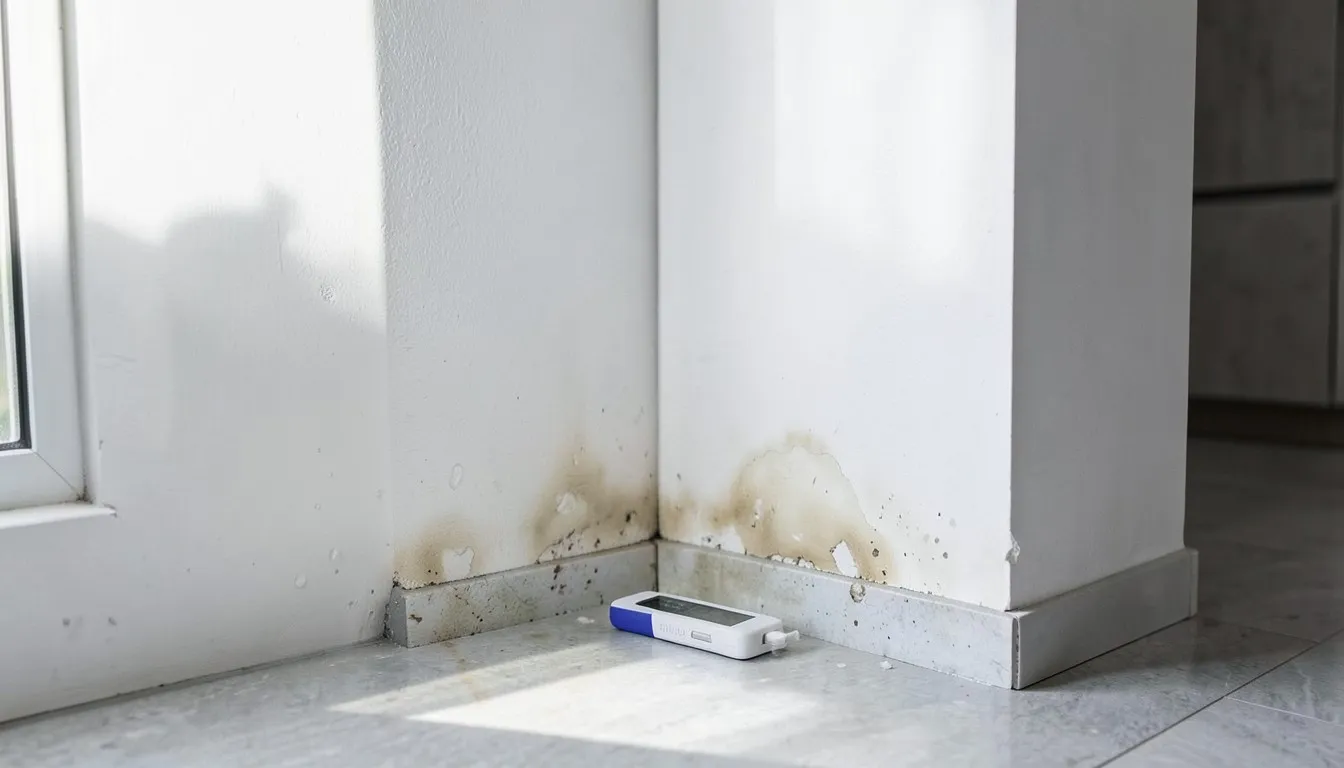
Non-invasive leak detection uses acoustic amplification, thermal imaging, and pressure isolation to locate water loss in supply lines and drain systems without opening walls or floors. Orlando homes with galvanized or older copper supply runs face the highest pinhole leak incidence — a slow leak inside a wall cavity can cause mold and structural damage for months before becoming visible. A professional leak detection prevents unnecessary demolition by confirming the exact break location before any drywall is cut. AlertPlumber connects you with a Florida-licensed plumber who locates first and opens second.
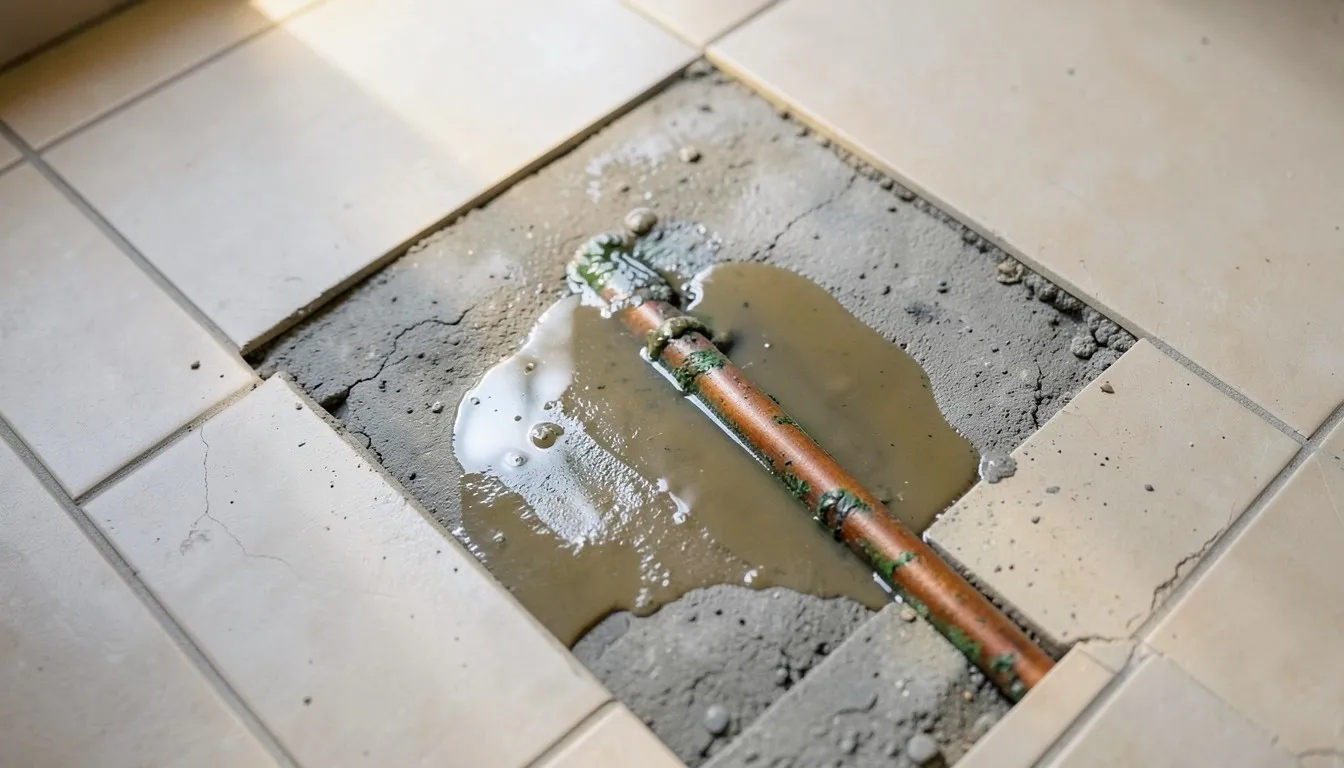
Post-war and modern-era construction in Orlando — median home age 35 years — frequently includes copper supply lines embedded in slab foundations, common in tract construction from the 1960s through the 1980s. Hard water accelerates pinhole corrosion from the exterior of slab-embedded copper; when a leak develops, access requires either epoxy lining through existing penetrations or controlled slab opening for section replacement.
Very hard water in Orlando is a primary driver of accelerated appliance failure: water heater anode rods exhaust in 2–3 years instead of 6–8, scale deposits at fixture connections form within months of installation, and tankless heat exchangers accumulate mineral buildup that can reduce lifespan by half without regular descaling. A softener or whole-house conditioner is strongly recommended alongside any appliance service call.
- Median home age
- 35 yrs
- Water hardness
- 18 gpg
- Frost line
- 0 in.
- Permit
- $110
A licensed FL plumber reads these conditions the moment you describe the symptom.
Leak Detection in Orlando: Local Infrastructure Context
Water hardness here measures approximately 18 grains per gallon — among the highest values in this service market — sourced from the Floridan Aquifer system whose dissolved limestone content defines local water chemistry. Slab-embedded copper supply lines in homes built over the last 35 years carry this mineral load continuously, depositing calcium scale on interior pipe walls while the sulfate-bearing groundwater attacks copper exteriors through concrete pores. Elbows and tee fittings experience accelerated thinning where turbulence disrupts the scale layer, creating pinhole failure sites at predictable locations along the supply run.
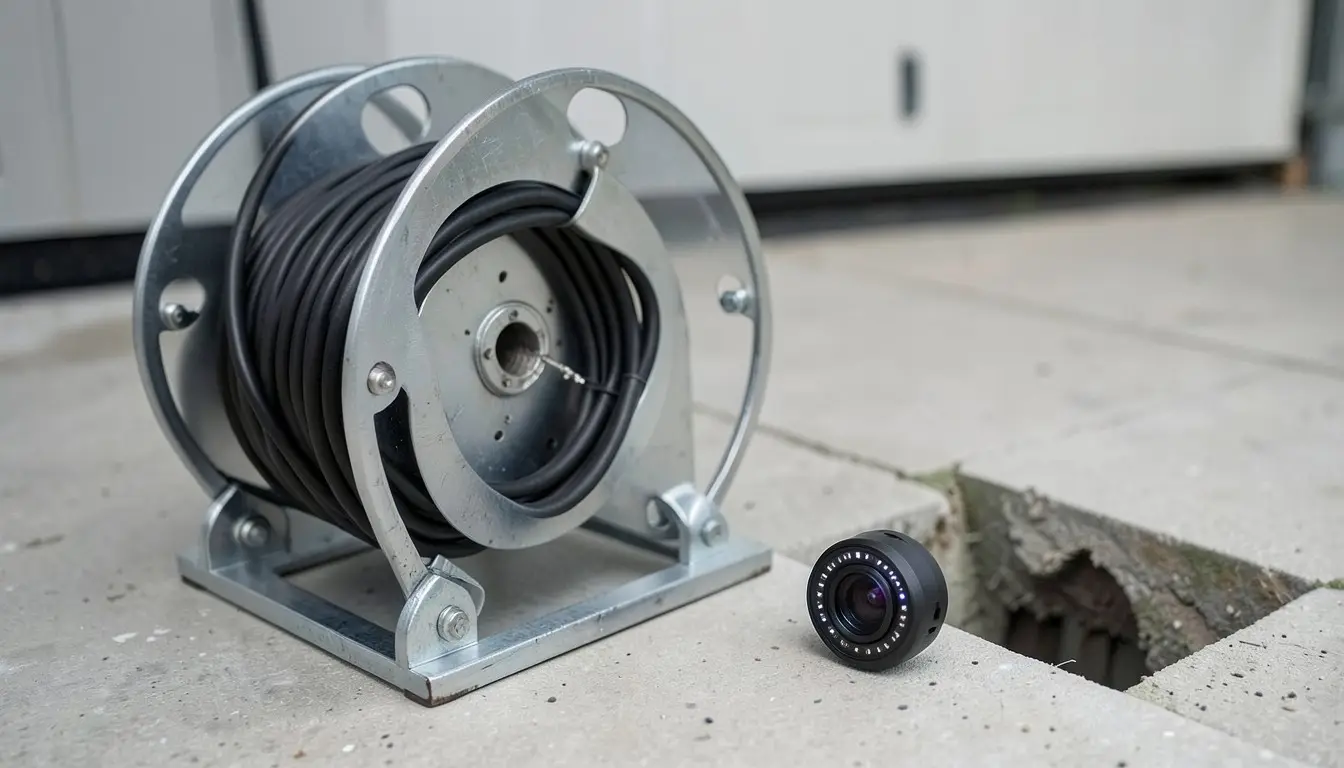
Acoustic detection pinpoints the pressure-noise signature of an active pinhole without cutting concrete, mapping the signal along the supply route until the source is triangulated. Sandy Floridian soils transmit acoustic signals clearly, making transducer readings here reliable with standard calibration. Pressure-drop testing alone cannot locate the pinhole — only confirm a leak exists — so acoustic confirmation before slab work prevents unnecessary concrete excavation.
Orange County requires a $110 permit covering detection and repair before slab surfaces are restored. Post-repair pressure testing to Florida Plumbing Code specifications is required before closure. Unusually high utility bills from Orlando Utilities Commission metered accounts are often the first symptom of slab-embedded copper failure, since below-grade discharge in sandy soil drains away before visible surface moisture appears.
What shapes plumbing demand in Orlando, FL
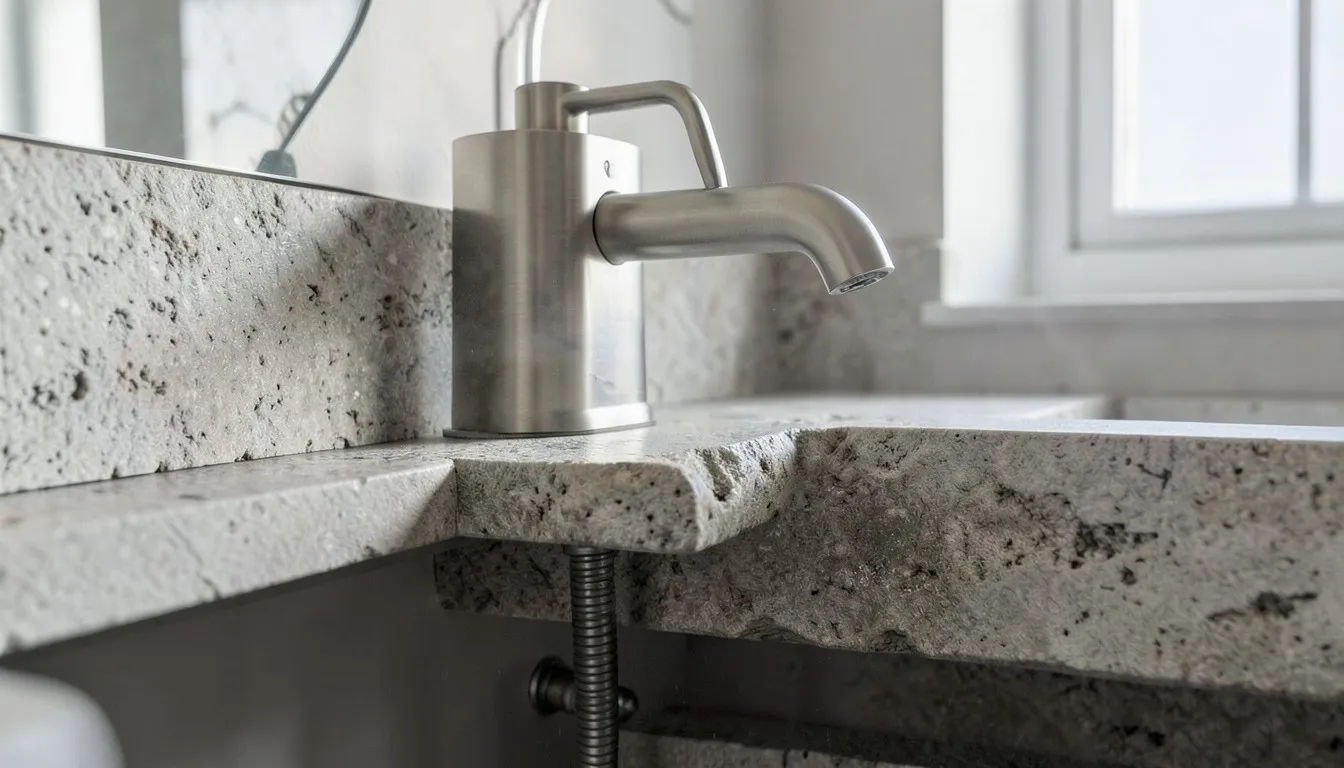
CPVC becomes brittle in the 20–35-year range and snaps under thermal stress or incompatible pipe dopes. Early PEX fittings (pre-2010) may develop chloramine compatibility issues at 15–25 years. The 1980s–1990s housing stock in Orlando is entering its first wave of material-driven service calls — not from neglect, but from normal service-life progression.
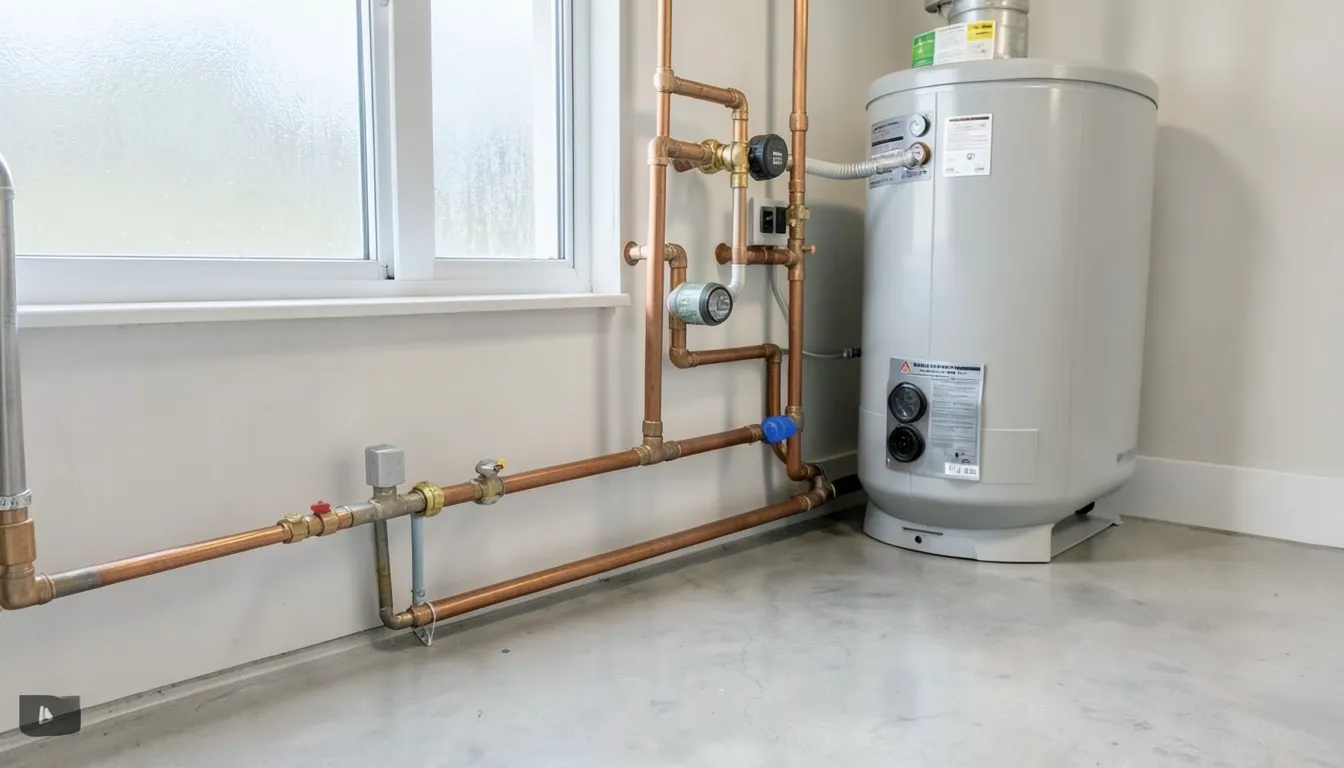
At 15–20+ GPG, calcium scale forces compressed equipment cycles in Orlando: tank heaters average 6–9 years vs. the 10–12-year national benchmark, and tankless units require annual descaling. Anode rods calcify within 12–18 months. Most plumbers here assess heater age against the local scale timeline — not the manufacturer's service life.
Summer heat above 95–115°F in Orlando keeps sediment in suspension inside tank water heaters — accelerating element failure instead of allowing sediment to settle and flush. Attic-mounted supply lines face diurnal thermal stress year-round. Root intrusion concentrates around irrigated landscaping rather than distributing evenly across the full sewer lateral path.
Orlando: diagnose first, repair second
Describe the symptom — not the repair. AlertPlumber routes to a FL-licensed plumber trained in diagnostics. The site visit uses camera tracing, acoustic detection, or hydrostatic pressure testing — matched to the reported failure type.
The plumber delivers a written diagnostic report: confirmed failure location, available repair methods, and tradeoffs — disruption level, material durability, long-term cost, and whether a Orlando building permit applies to the selected method.
You select the repair path. The Florida-licensed plumber proceeds on the authorized method with a fixed scope and price. Where required, the permit application to Orlando is handled by the contractor.
Leak Detection cost calculator — Orlando
Pre-filled for leak detection in Orlando. Adjust the ZIP for a neighboring area, or change the service to compare. Calculator pulls from the city's scraped permit-fee + state plumber-density data.
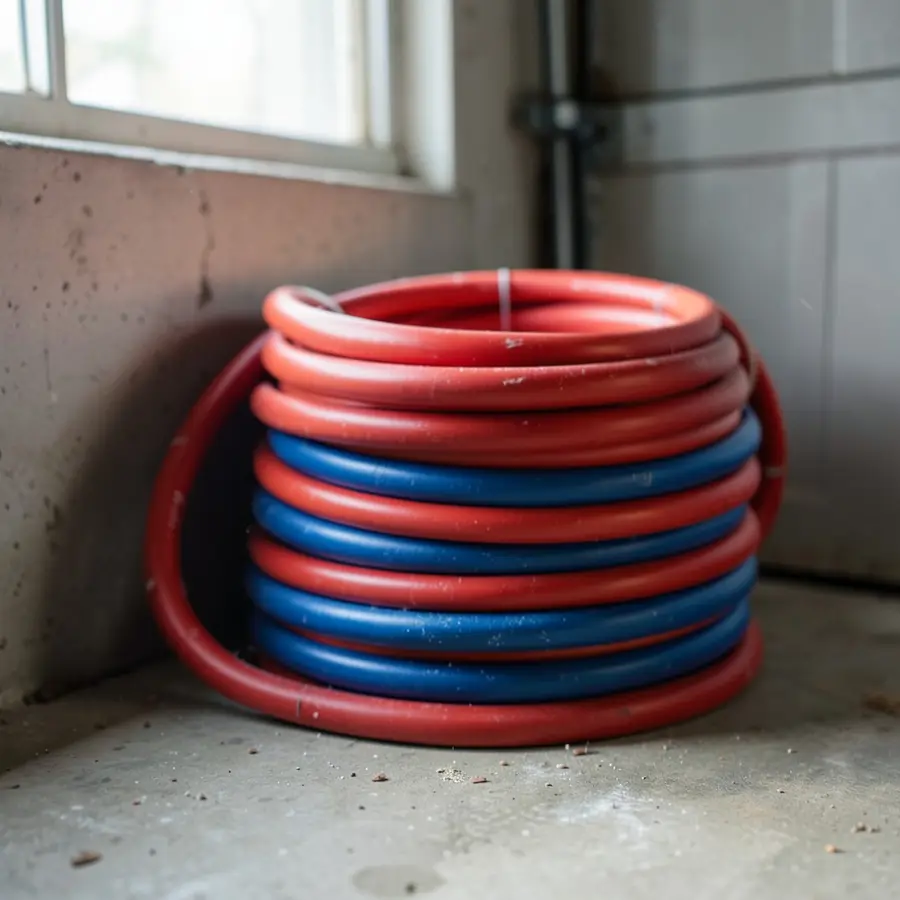
Leak Detection in Orlando — the longer it runs, the more it costs.
Slow failures compound: soft pipe walls, root penetration, mineral buildup. A verified plumber calls back with a scope-first estimate before anything is dug up.
Leak Detection in Orlando — frequently asked
How much does professional leak detection cost in Orlando?
Leak detection in Orlando typically runs $245-$565 for a single-leak callout using acoustic ground-microphone and moisture-mapping tools, and $385-$895 for a multi-leak survey across a slab-on-grade home. Pricing reflects the dominant Orlando pathology: pressurized supply-line leaks under post-tension slab in Lake Nona and slab-on-grade copper pinhole leaks in 1980s-90s College Park and Baldwin Park. The $110 City of Orlando permit attaches only if detection escalates to wall or slab opening. The detection fee credits toward the repair if you proceed with the matched contractor.
How fast can a leak detection tech reach my Orlando home?
Most Orlando-area leak detection techs in the AlertPlumber network respond within 1-3 hours during business hours. ETAs do not slow seasonally — Orlando sees fewer than 3 freeze days per year so winter dispatch is not weather-bound. Theme-park-corridor crew density means Lake Nona, Baldwin Park, and downtown ZIPs route fastest. The FL DBPR CFC-credentialed tech confirms the exact ETA on the callback and arrives with acoustic, moisture-mapping, and tracer-gas equipment already calibrated.
Why does Orlando favor acoustic and moisture-mapping over FLIR thermal imaging?
FLIR thermal imaging works by detecting temperature contrast between leak water and surrounding floor. In Orlando's subtropical climate, slab temperature and tap-water temperature stay within a few degrees year-round, so thermal contrast through tile and slab is too low for FLIR to be the primary tool. Verified Orlando techs lead with acoustic ground-microphones (which pick up pressurized supply-line hiss through sandy soil) and moisture mapping (which finds the wet zone faster than thermal in high-humidity environments). FLIR remains a secondary cross-check, not the lead tool.
What are the most common leak signatures in Orlando housing stock?
Three Orlando pathologies show up repeatedly. First, copper pinhole leaks in 1980s-90s slab-on-grade Baldwin Park and College Park infill — Floridan-aquifer 18-gpg water drives electrochemical attack on Type M copper embedded in concrete. Second, post-tension slab supply leaks at Lake Nona — the tendons complicate detection because acoustic signatures echo along the cables. Third, A/C condensate-line saturation under air-handler closets — chronic dripping into wall cavities mimics a supply leak. The verified tech rules out condensate before opening any slab.
Will Florida HO-3 cover leak detection in Orlando?
Standard Florida HO-3 policies typically cover the cost of locating a sudden, accidental leak — including the detection fee — but exclude long-term seepage. Many Orlando carriers also offer a slab-leak rider that explicitly covers under-slab supply-line detection and repair access; given the dominant slab-on-grade housing stock the rider is widely recommended. Hurricane and sinkhole endorsements are separate. Document the detection invoice, the moisture-mapping report, and any acoustic findings — carriers want a paper trail before authorizing slab opening.
Should I try DIY leak detection in my Orlando home?
The first DIY check is reading the OUC water meter with all fixtures off — if the dial moves, you have a leak somewhere. Beyond that, consumer-grade moisture meters and ear-to-the-floor approaches miss the small pressurized leaks (under 0.5 gpm) that drive most Orlando slab-leak insurance claims. Professional acoustic equipment isolates a leak within a 12-inch radius before any slab cut — DIY tools cannot match that precision. A misidentified leak that triggers an unnecessary slab cut costs far more than the detection fee.
Slab-leak detection on Lake Nona post-tension foundations — what is different?
Post-tension slabs at Lake Nona use embedded steel tendons under tension to control concrete cracking. Two implications for leak detection: first, the slab cannot be saw-cut at random because cutting a tendon causes structural damage and a separate engineering claim. Second, the tendons echo acoustic signals, so the tech runs multiple microphone positions to triangulate. Verified Orlando techs working Lake Nona carry the original tendon-layout drawings (or pull them from the Orange County permit record) before authorizing any cut. The repair is typically a reroute through the attic, not a slab penetration.
How often should an Orlando homeowner have a pressure-check or leak survey?
For 1980s-90s slab-on-grade homes in Baldwin Park and College Park on original Type M copper, a system-wide static pressure test every 5-7 years catches weakening copper before pinhole failure. Lake Nona post-tension homes benefit from the same cadence. Homes with documented prior slab leaks or repeated minor leaks should pressure-test every 2-3 years — Orlando's 18-gpg water means copper-attack risk does not slow once it starts. The pressure test is typically $175-$310 and runs concurrently with annual fixture maintenance.
Are AlertPlumber-matched leak detection plumbers verified for FL?
Every plumber routed through AlertPlumber for Orlando leak detection holds active Florida DBPR credentialing under the CFC (Certified Plumbing Contractor) classification. FL DBPR lists roughly 16,800 active CFC and RF plumbers statewide as of 2024 — verify your tech's status via the DBPR public lookup before authorizing slab cuts. Leak detection requires specialty acoustic, moisture-mapping, and tracer-gas equipment calibrated for Orlando's subtropical humidity and sandy-soil moisture profile. The verified tech calibrates first and cuts only when triangulation is conclusive.
What Orlando ZIPs and neighborhoods does AlertPlumber cover for leak detection?
AlertPlumber covers Orlando ZIPs in the 328xx and 327xx prefixes and the surrounding theme-park-corridor metro. Coverage includes Lake Nona (post-tension slab specialty), Baldwin Park (early-2000s slab-on-grade), College Park (1920s-50s cast-iron + 1980s copper infill), Winter Park, Thornton Park, Dr. Phillips, and MetroWest. OUC service-area and Orange County Utilities routing both work through the same intake form. The matched tech provides the FL DBPR CFC number on the callback.
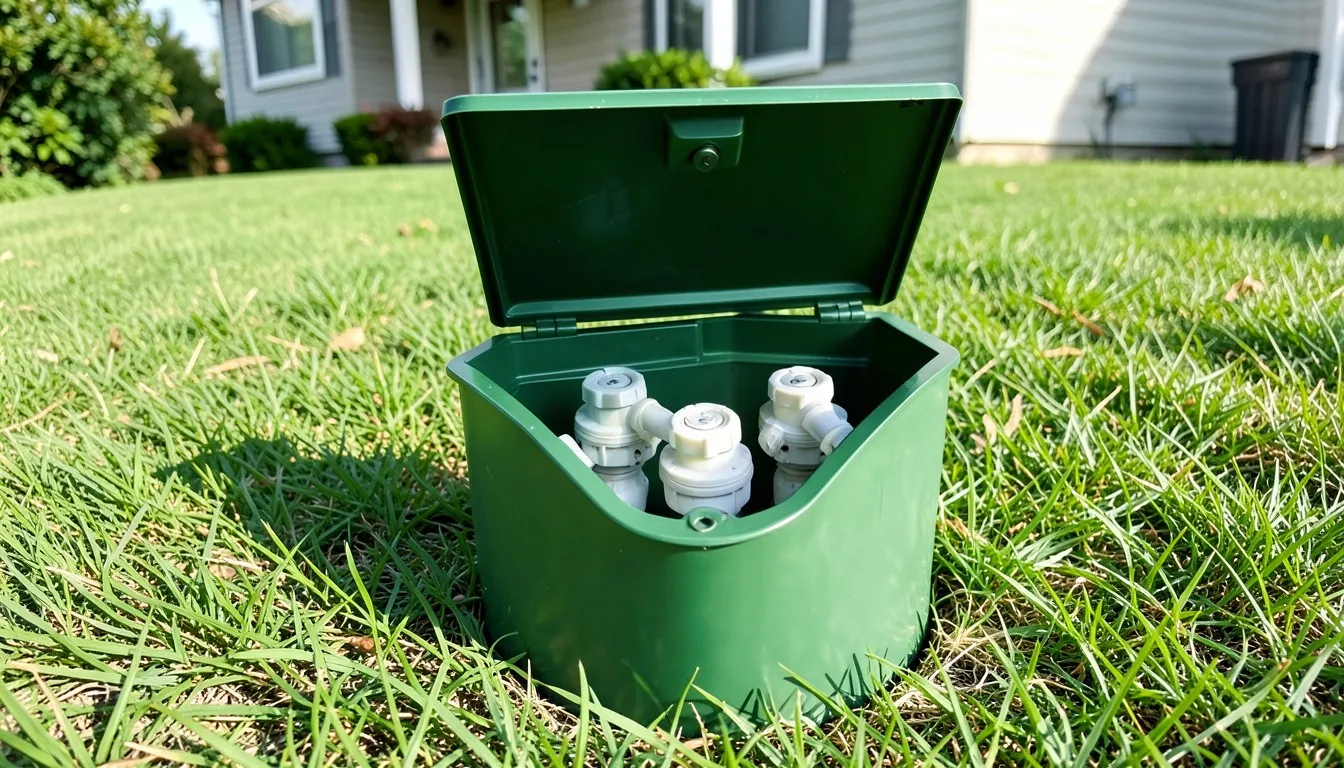
The fix gets cheaper the sooner a plumber sees it.
Degradation problems compound quietly. Call now, or use the form below and a licensed Florida plumber calls you back with a no-obligation estimate for the leak detection.
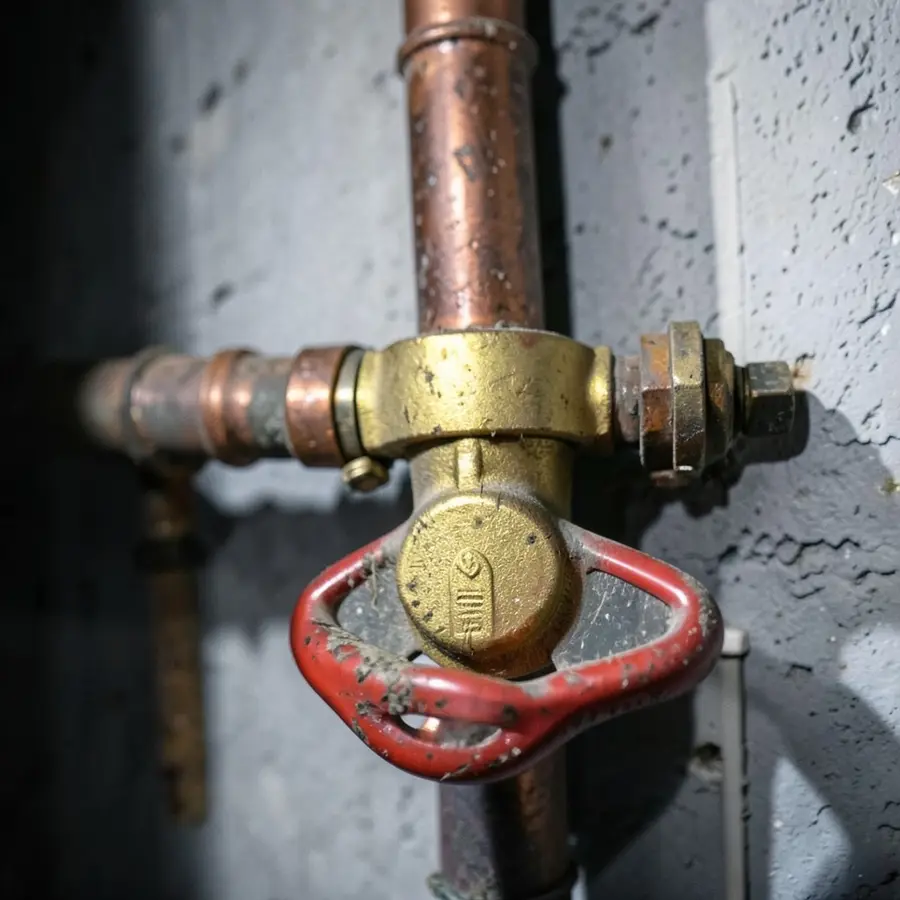
Request a leak detection callback in Orlando
In a meeting, with the kids, or just prefer not to hold? Drop your ZIP and number below. AlertPlumber routes your request to a verified plumber in your area — they’ll call you back directly.
- 1 Submit your info. ZIP, phone, and what kind of work you need.
- 2 AlertPlumber matches you with a verified plumber serving your area.
- 3 The plumber calls you back with a written estimate, no obligation.
Leak Detection in Orlando — catch it early
Degradation-driven failures worsen over time and cost more to fix the longer they run. A verified FL plumber in Orlando diagnoses your specific condition and provides a written scope before any work begins.