
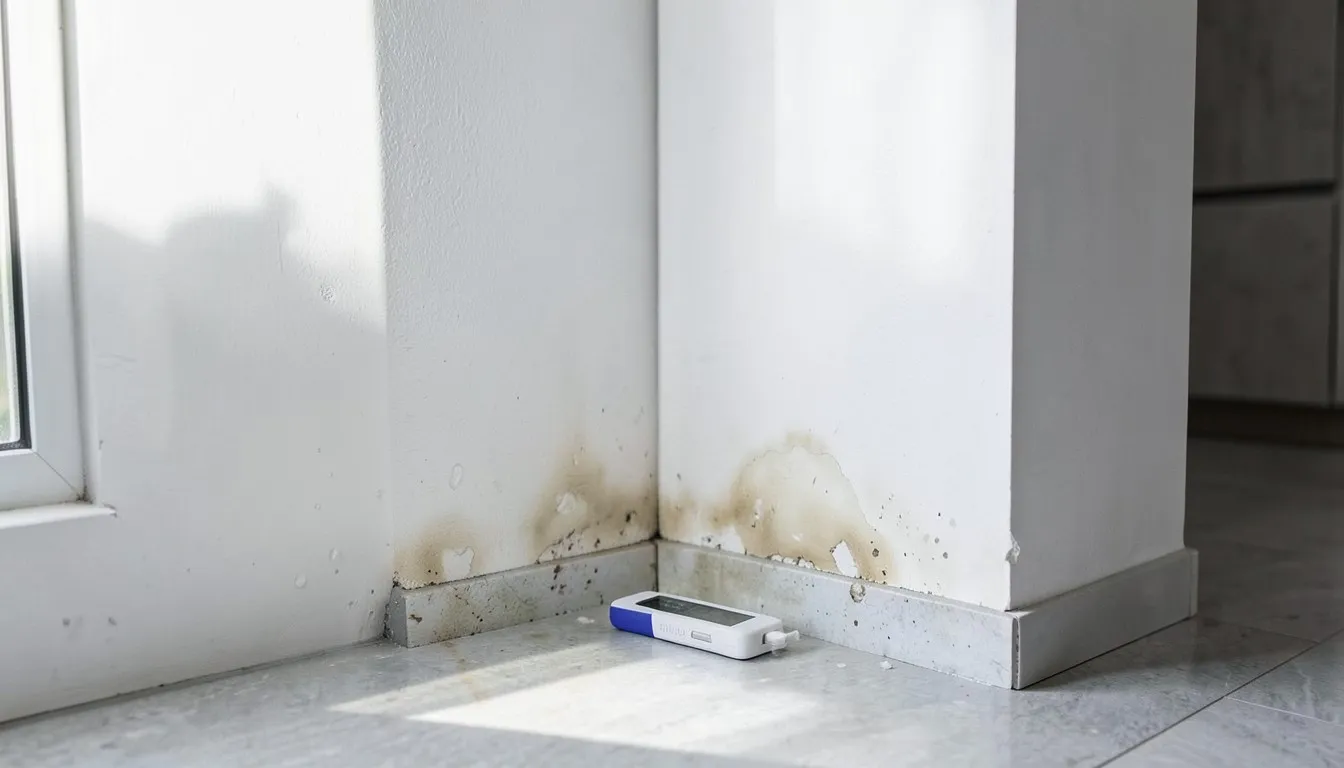
Emergency Leak Detection in Greenville, South Carolina
Camera first, quote second — know exactly what's wrong in your Greenville home before you approve a dollar.
Local plumbing data for Greenville, SC
Seeing these conditions at your place in Greenville? A state-licensed plumber can confirm it over the phone — free, no obligation.
Pipe conditions in Greenville, SC
Non-invasive leak detection uses acoustic amplification, thermal imaging, and pressure isolation to locate water loss in supply lines and drain systems without opening walls or floors. Greenville homes with galvanized or older copper supply runs face the highest pinhole leak incidence — a slow leak inside a wall cavity can cause mold and structural damage for months before becoming visible. A professional leak detection prevents unnecessary demolition by confirming the exact break location before any drywall is cut. AlertPlumber connects you with a South Carolina-licensed plumber who locates first and opens second.
Greenville's housing stock spans multiple construction eras — median home age 47 years — meaning pipe materials and failure modes vary significantly by neighborhood and building vintage. An inspection-led approach that confirms pipe material before recommending a service path is standard practice for mixed housing profiles.
Frost line depth in Greenville means supply lines and outdoor plumbing must be installed below the freeze threshold — typically 12 — to prevent pipe burst during cold events. Exterior hose bibs, irrigation shutoffs, and any exposed pipe runs are the most common winterization service points in freeze-risk markets.
- Median home age
- 47 yrs
- Water hardness
- 1 gpg
- Frost line
- 12 in.
- Lead lines
- Active replacement
- Permit
- $75
A licensed SC plumber reads these conditions the moment you describe the symptom.
What shapes plumbing demand in Greenville, SC
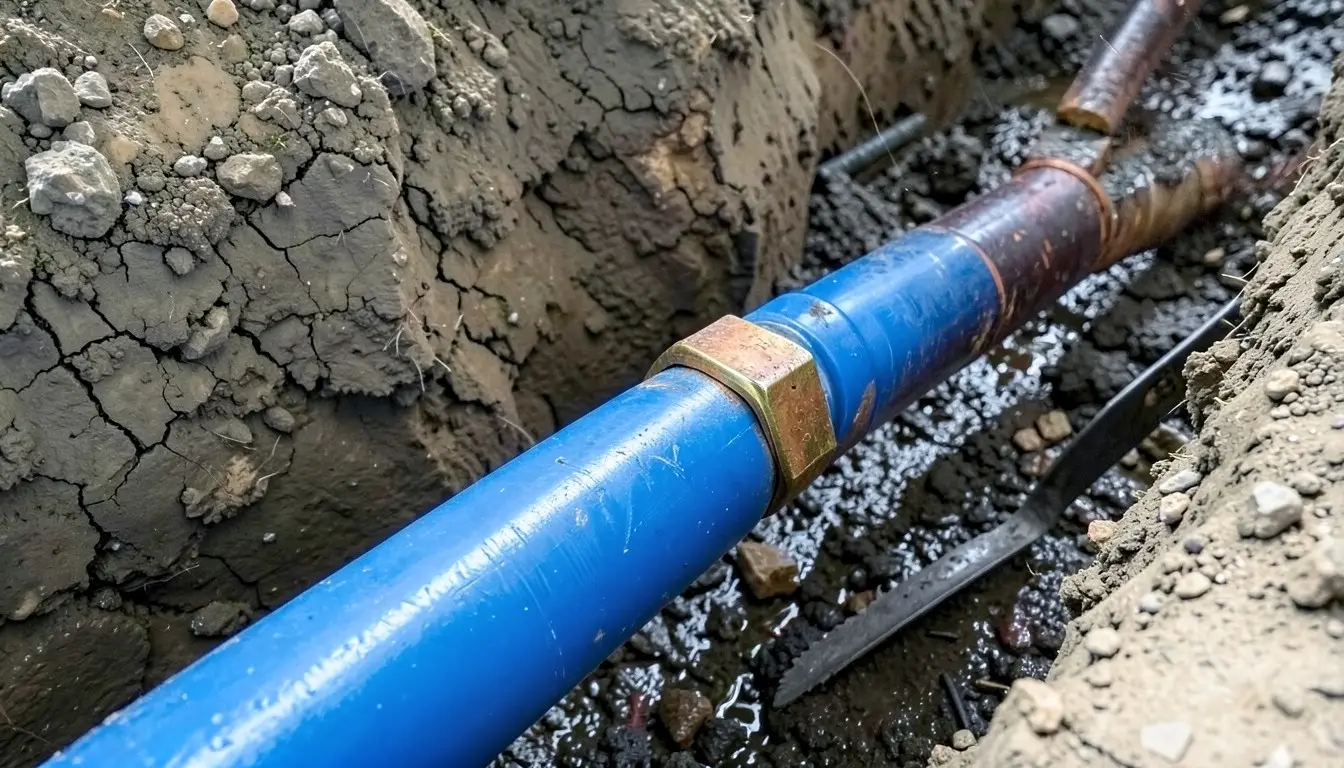
1950s–70s copper supply is now 50–70 years into its service cycle in Greenville. Thermal fatigue at fittings and slab-on-grade access complexity — common in Sun Belt construction — make repair vs. replacement a live decision on most jobs. This housing cohort is the active primary replacement wave in this market.
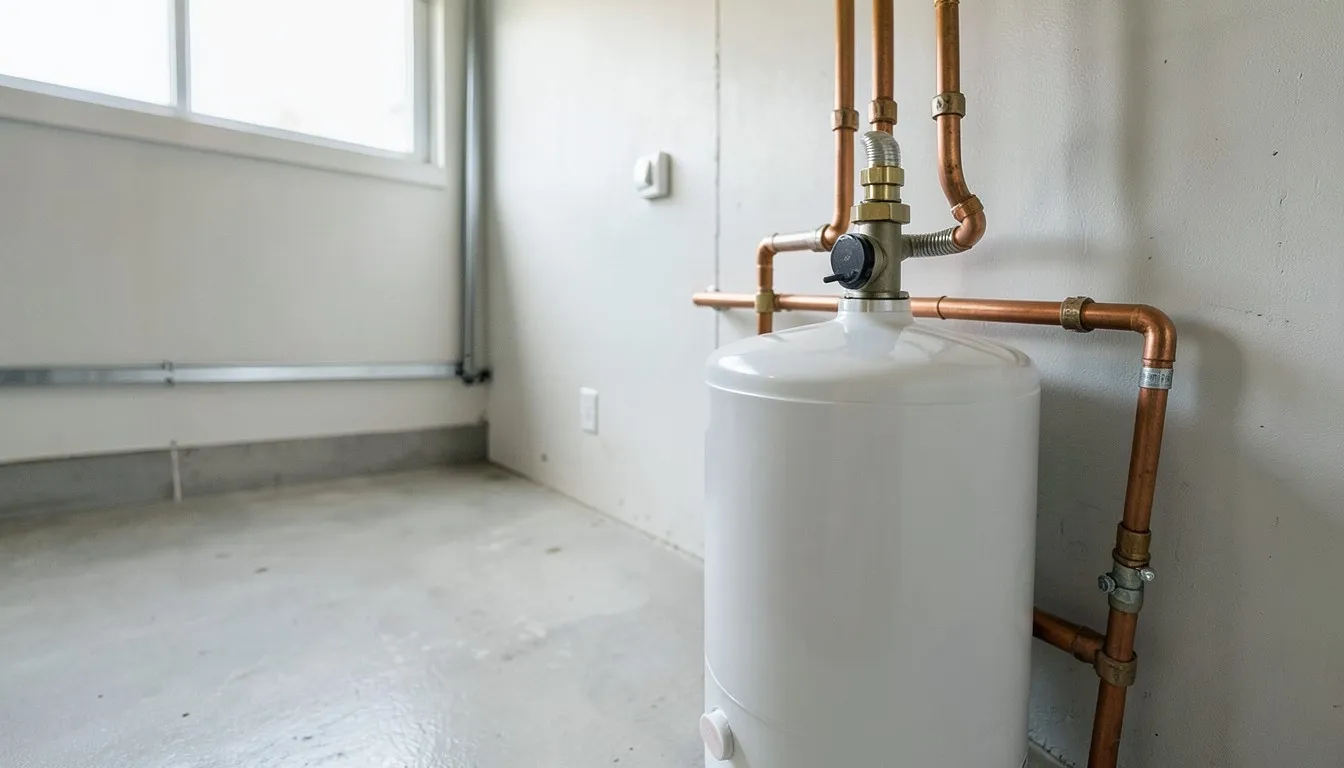
Soft, slightly acidic water in Greenville is corrosive to copper pipe and solder joints — the opposite failure pattern from hard-water markets. Pinhole failure at fittings and elbows is the dominant non-emergency repair category. Anode rods also deplete faster in soft water, shortening effective tank life without timely replacement.
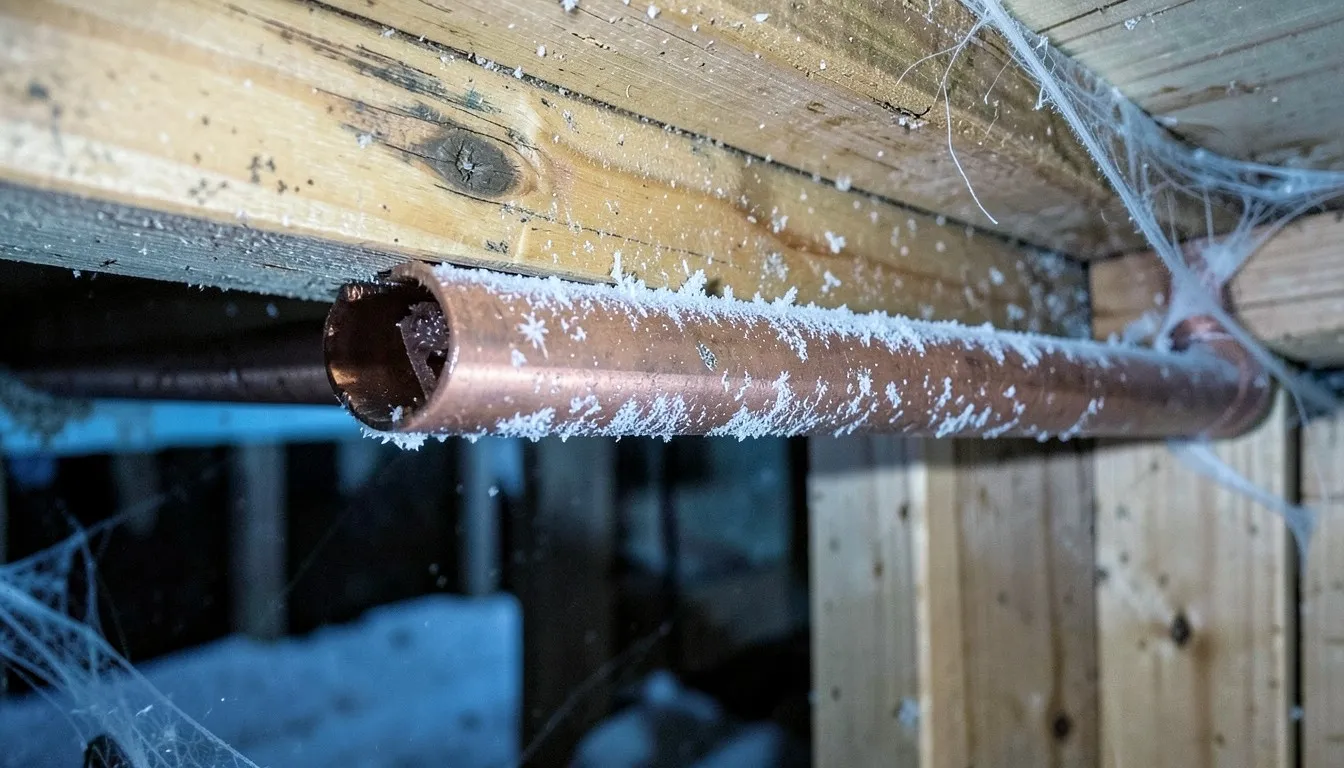
The primary surge in Greenville runs January–March, with a secondary wave at the spring thaw — when pipes that held through the freeze rupture as pressure is restored above 32°F. Scheduling competition peaks exactly when emergency calls are highest. Homeowners who wait for visible damage compete for the same limited plumber slots at the worst possible time.
Greenville: diagnose first, repair second
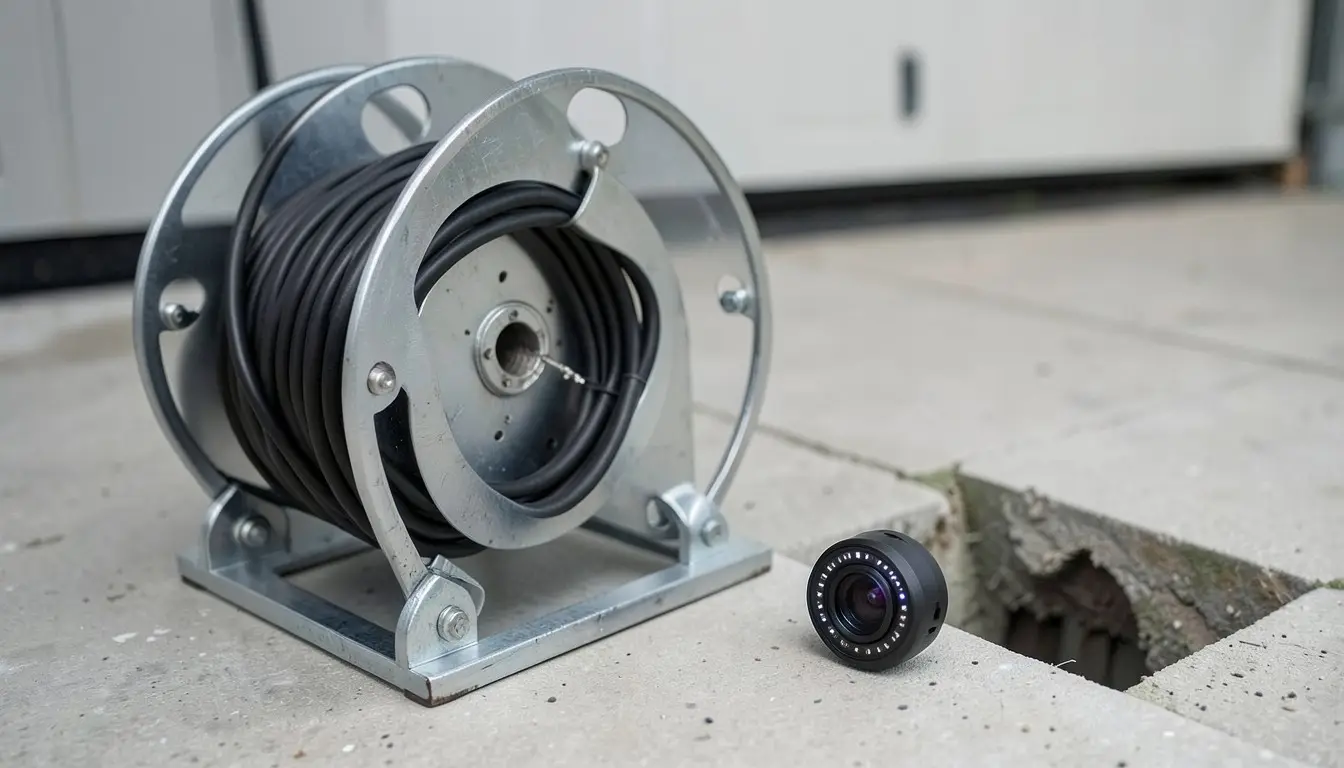
Describe the symptom — not the repair. AlertPlumber routes to a SC-licensed plumber trained in diagnostics. The site visit uses camera tracing, acoustic detection, or hydrostatic pressure testing — matched to the reported failure type.
The plumber delivers a written diagnostic report: confirmed failure location, available repair methods, and tradeoffs — disruption level, material durability, long-term cost, and whether a Greenville building permit applies to the selected method.
You select the repair path. The South Carolina-licensed plumber proceeds on the authorized method with a fixed scope and price. Where required, the permit application to Greenville is handled by the contractor.
Leak Detection cost calculator — Greenville
Pre-filled for leak detection in Greenville. Adjust the ZIP for a neighboring area, or change the service to compare. Calculator pulls from the city's scraped permit-fee + state plumber-density data.
Leak Detection in Greenville — the longer it runs, the more it costs.
Slow failures compound: soft pipe walls, root penetration, mineral buildup. A verified plumber calls back with a scope-first estimate before anything is dug up.
Leak Detection in Greenville — frequently asked
How much does leak detection cost in Greenville, SC?
Greenville leak detection typically runs $245–$495 for an acoustic and thermal-imaging workup on a slab or wall leak, $345–$695 when slab penetration with electromagnetic ground-fault tracing is needed, and $495–$995 for a full multi-method workup on a recurring Augusta Road 1960s copper-pinhole pattern. The $75 City of Greenville Building & Property Maintenance permit attaches only when the detection escalates into pipe repair or replacement — detection itself is diagnostic. AlertPlumber routes the call to a state-credentialed plumber who quotes by phone before dispatch.
Why is Augusta Road pinhole pathology different from other Greenville neighborhoods?
Augusta Road early-1900s estates were largely repiped to copper in the 1960s — supply piping that is now 60+ years old. The wrinkle unique to Greenville: Greenville Water delivers approximately 1 gpg ULTRA-SOFT water from the Table Rock and North Saluda Reservoirs in the Blue Ridge watershed. USGS hardness classification puts that at the soft floor. Soft, low-pH-leaning water is mildly aggressive toward copper — it slowly dissolves the inner copper wall and concentrates pinhole formation at flow-turbulence points (elbows, fittings, slab penetrations). The pattern you see in Augusta Road is multiple pinholes in clusters along the same supply run, NOT the isolated scale-driven failures common in hard-water markets. The leak-detection workup looks for the pattern, not just the single audible leak.
How fast can a Greenville leak-detection plumber arrive?
Most Greenville-area plumbers in the AlertPlumber network respond within 1–3 hours during business hours and 2–4 hours overnight for active slab or wall leaks. Response depends on ZIP, current dispatch load, and severity (a slab leak losing 20 gallons/hour outranks a slow toilet flange leak). The matched plumber confirms an exact ETA on the callback. Median home age in Greenville is 47 years (1977 build) — Augusta Road and Cleveland Forest mid-century homes with 1960s copper repipe history get queue priority because pinhole-cluster failures escalate fast.
What leak-detection methods does a Greenville plumber actually use?
Three methods, layered in order. (1) Acoustic listening. Ground-mic and contact-mic equipment picks up pressurized-water hiss through concrete or framing. Works well on Cleveland Forest / Cleveland Park mid-century ranches above the Reedy floodplain where the slab is dry and the acoustic signal isn't masked by groundwater. (2) Thermal imaging. Infrared camera identifies temperature differential where hot-water-line leaks heat the slab or where cold-water leaks chill the surface. Useful for Augusta Road slab-penetration pinholes. (3) Tracer-gas or electromagnetic ground-fault. For deep slab or yard runs where acoustic + thermal both come back ambiguous, hydrogen/nitrogen tracer gas through the line plus surface sniffer locates the leak to within 6–12 inches. The state-credentialed plumber starts with the cheapest method and escalates only if needed.
Why does Cleveland Forest leak detection differ from Augusta Road?
Two different topographies. Cleveland Forest / Cleveland Park sits above the Reedy River floodplain — the slabs are typically dry, sump and backwater valves manage stormwater intrusion, and acoustic detection is cleanest. The dominant leak pathology here is mid-century slab supply lines under 1950s–1960s ranches, often original galvanized that has corroded through. Augusta Road early-1900s estates run deep yard supply lines plus 1960s copper repipes — the leaks cluster at the slab penetrations and the long yard runs. The detection workup on Augusta Road weights thermal imaging and electromagnetic ground-fault higher; Cleveland Forest weights acoustic higher. Same plumber, different sequence of tools.
Does a Greenville leak repair need a permit?
Detection itself does not require a permit — it is diagnostic. The $75 City of Greenville Building & Property Maintenance permit attaches the moment scope crosses into pipe repair, slab penetration with replacement, or fixture re-pipe under the South Carolina adoption of the IPC § 605 water distribution code. The state-credentialed plumber pulls the permit on those expanded jobs and includes the fee in the written quote.
What causes most leaks in Greenville homes?
Three dominant pathologies in the SC upcountry Piedmont. (1) 1 gpg ultra-soft corrosive water attacking 1960s copper repipes across Augusta Road and pre-1980 Cleveland Forest stock — produces the pinhole-cluster pattern that is the single most common detection call in the city. (2) Galvanized supply line corrosion-through in West End / Pettigru pre-1920 textile-mill cottages where the original 1920s galvanized has finally failed. (3) Freeze-burst exposure on Greenville's 62 freeze days per year per NWS Greer (GSP) — exterior hose bibs and crawlspace supply lines under North Main bungalows are the usual victims. Frost depth is approximately 12 inches per NCEI, so buried mains are generally safe but exposed runs are not.
Are AlertPlumber-matched leak-detection plumbers verified in South Carolina?
Every plumber routed through AlertPlumber for leak detection in Greenville maintains active South Carolina state-credentialed status. SC LLR Contractor's Licensing Board, 2024 lists approximately 5,200 active SC LLR Plumbing Tier 1, Tier 2, and Tier 3 credentials statewide. AlertPlumber does not independently verify on a per-call basis — confirm credentials at the SC LLR portal before authorizing slab work, where the dollar exposure justifies the 60-second check.
Will my South Carolina homeowners insurance cover Greenville leak detection?
Standard South Carolina HO-3 policies typically cover the leak-detection diagnostic fee AND the resulting repair when the leak is a sudden-and-accidental event (a burst copper pinhole, a freeze-split line). Slow leaks classified as deferred maintenance are generally not covered. The plumber's written report should name the failure mode in code-aligned language — "sudden pinhole rupture on 1960s copper supply, Augusta Road, 1 gpg corrosive-soft-water pathology" — which routes to coverage. Verbal diagnosis alone gets denied. Submit within 30 days of detection. Greenville premiums for $5,000–$10,000 slab-leak coverage typically run $50–$140/year.
How long does Greenville leak detection take?
Acoustic-only workup on a single suspected location: 1–2 hours. Acoustic plus thermal on a slab leak with no obvious water surface: 2–3 hours. Full multi-method workup on a recurring Augusta Road copper-pinhole cluster, including tracer-gas escalation: 3–5 hours. Add 30–60 minutes when the leak is suspected in a long yard run on early-1900s Augusta Road estates — the plumber walks the line with electromagnetic ground-fault equipment, which is slower than slab work. The state-credentialed plumber confirms the time budget when they arrive and updates you if scope expands.
Should I shut off the water before the Greenville leak-detection plumber arrives?
For an active leak with visible water — yes, shut the main at the curb stop or the whole-house valve. For a suspected hidden slab leak with no visible water, leave the system pressurized. Detection equipment works on pressurized water — depressurizing the line eliminates the acoustic signal the ground-mic depends on and forces escalation to tracer-gas (more expensive). The matched plumber confirms over the phone whether to leave the system on or shut down. AlertPlumber-routed plumbers in Greenville walk you through it on the callback.
Does AlertPlumber cover leak detection outside Greenville city limits?
Yes. AlertPlumber covers all City of Greenville ZIP codes (296xx) plus the SC upcountry Piedmont corridor — Mauldin, Simpsonville, Travelers Rest, Greer, Easley, Taylors, and Pickens County fringe addresses. The intake form handles 72,310-resident Greenville proper plus the surrounding service area as a single dispatch. Rural-fringe properties on private well water route to a different detection scope (pressure-decay testing across the well system rather than municipal-side acoustic) and the plumber confirms which on the callback.
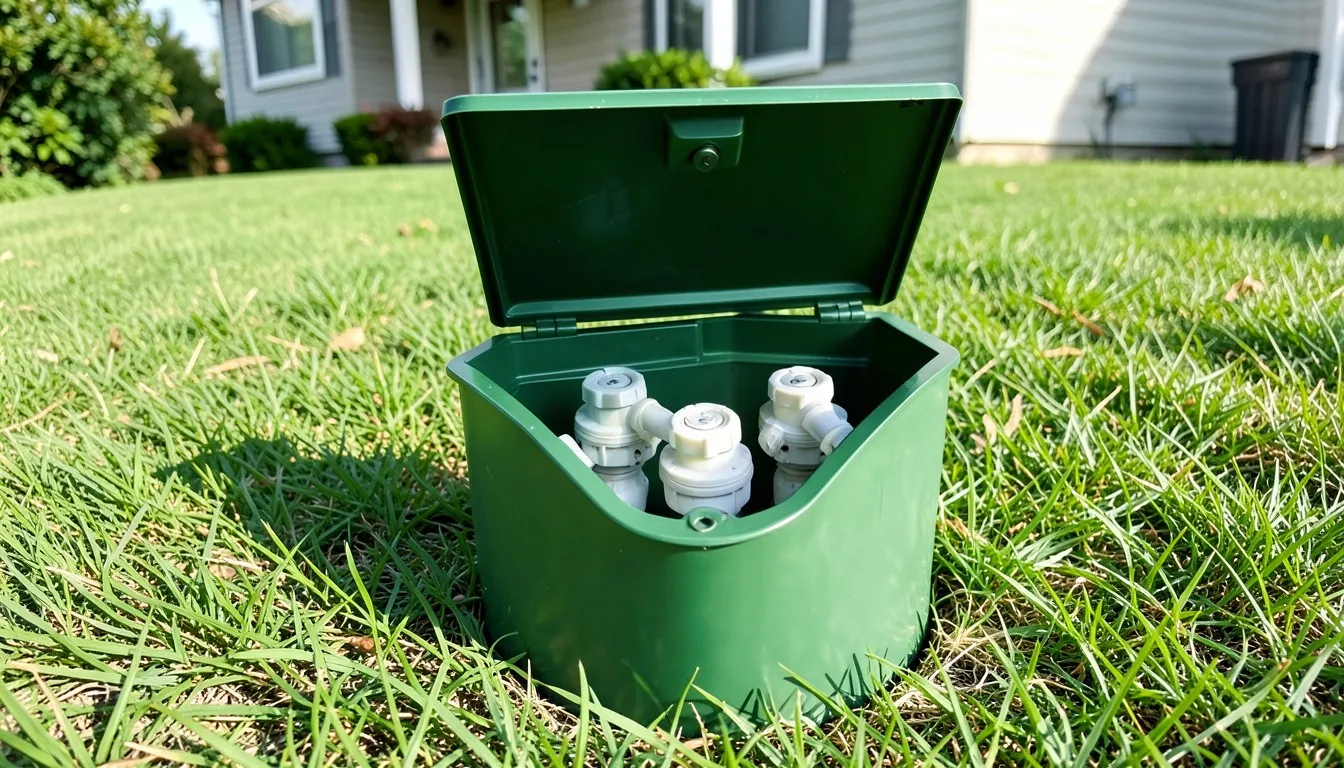
The fix gets cheaper the sooner a plumber sees it.
Degradation problems compound quietly. Call now, or use the form below and a licensed South Carolina plumber calls you back with a no-obligation estimate for the leak detection.

Request a leak detection callback in Greenville
In a meeting, with the kids, or just prefer not to hold? Drop your ZIP and number below. AlertPlumber routes your request to a verified plumber in your area — they’ll call you back directly.
- 1 Submit your info. ZIP, phone, and what kind of work you need.
- 2 AlertPlumber matches you with a verified plumber serving your area.
- 3 The plumber calls you back with a written estimate, no obligation.
Leak Detection in Greenville — catch it early
Degradation-driven failures worsen over time and cost more to fix the longer they run. A verified SC plumber in Greenville diagnoses your specific condition and provides a written scope before any work begins.