
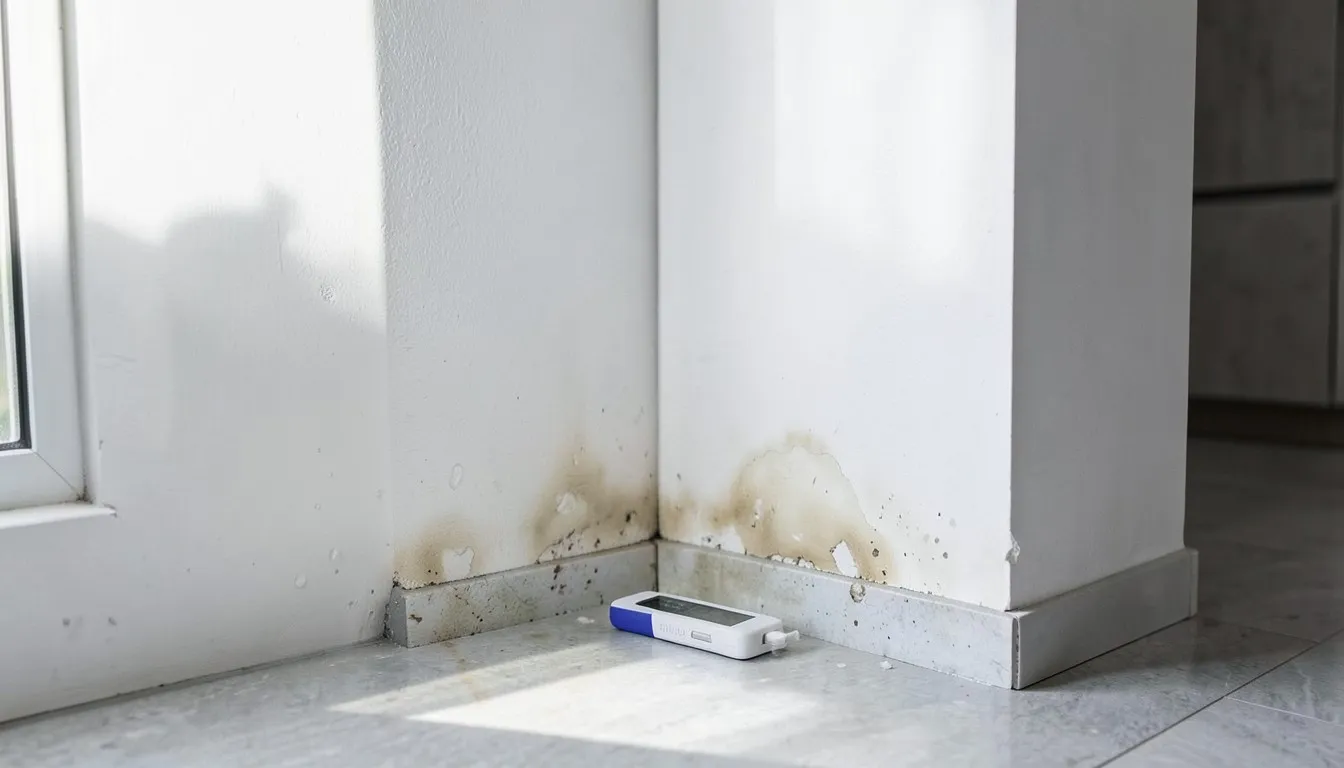
Emergency Leak Detection in Boise, Idaho
Leak Detection in Boise, Idaho locates hidden water and gas leaks using acoustic and thermal equipment. Local conditions in Boise: water measured at 15, a 30 frost line and a median home age of 47 years.
Camera first, quote second — know exactly what's wrong in your Boise home before you approve a dollar.
Who do I call for a hidden leak in Boise?
A plumber who offers leak detection. Ask what method they use (acoustic, thermal imaging or a pressure test) and whether finding the leak and repairing it are quoted separately. A hidden leak becomes urgent in a Boise home when water is visible on a ceiling, wall or floor.
What does the local plumbing data show for Boise, ID?
Seeing these conditions at your place in Boise? Describe them on the call to a state-licensed local plumber — free, no obligation.
What are the pipe conditions in Boise, ID?
Non-invasive leak detection uses acoustic amplification, thermal imaging, and pressure isolation to locate water loss in supply lines and drain systems without opening walls or floors. Boise homes with galvanized or older copper supply runs face the highest pinhole leak incidence — a slow leak inside a wall cavity can cause mold and structural damage for months before becoming visible. A professional leak detection prevents unnecessary demolition by confirming the exact break location before any drywall is cut. AlertPlumber connects your call with an independent Idaho-licensed plumber — ask them to locate first and open second.
Boise's housing stock spans multiple construction eras — median home age 47 years — meaning pipe materials and failure modes vary significantly by neighborhood and building vintage. An inspection-led approach that confirms pipe material before recommending a service path is standard practice for mixed housing profiles. Homes of other eras in Boise may have galvanized pipe, copper pipe or polybutylene supply lines instead; ask the plumber which your home has.
Very hard water in Boise is a primary driver of accelerated appliance failure: water heater anode rods exhaust in 2–3 years instead of 6–8, scale deposits at fixture connections form within months of installation, and tankless heat exchangers accumulate mineral buildup that can reduce lifespan by half without regular descaling. A softener or whole-house conditioner is strongly recommended alongside any appliance service call.
Frost line depth in Boise means supply lines and outdoor plumbing must be installed below the freeze threshold — typically 30 — to prevent pipe burst during cold events. Exterior hose bibs, irrigation shutoffs, and any exposed pipe runs are the most common winterization service points in freeze-risk markets.
- Median home age
- 47 yrs
- Water hardness
- 15 gpg
- Frost line
- 30 in.
- Lead lines
- Active replacement
- Permit
- City fee schedule
Census housing age, Boise City city, Idaho: median year built 1986; 17.2% of homes built before 1960, 42% before 1980. Source: U.S. Census Bureau, ACS 2020–2024 5-year estimates, tables B25034 and B25035, read 2026-09-30.
Mention these conditions when you describe the symptom to the ID plumber you reach.
What shapes plumbing demand in Boise, ID?
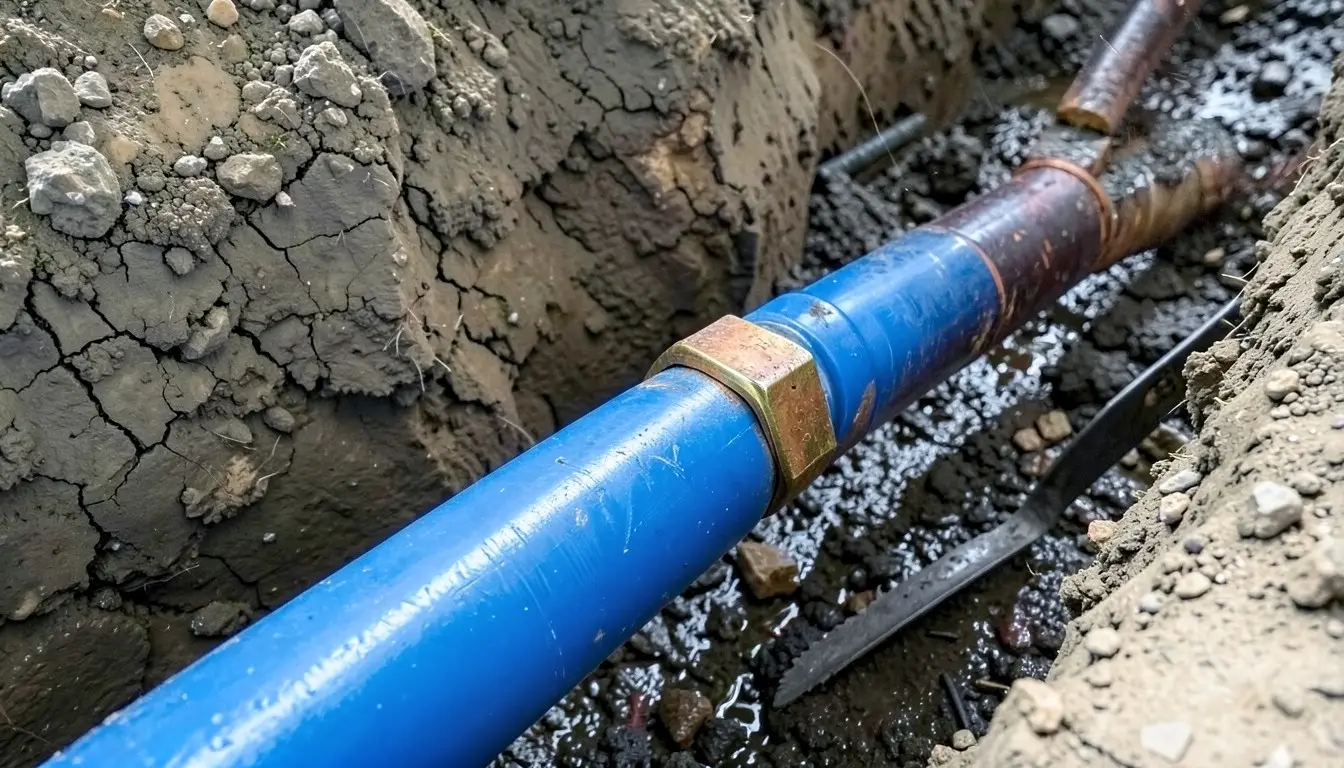
1950s–70s copper supply is now 50–70 years into its service cycle in Boise. Thermal fatigue at fittings and slab-on-grade access complexity — common in Sun Belt construction — make repair vs. replacement a live decision on most jobs. This housing cohort is the active primary replacement wave in this market.
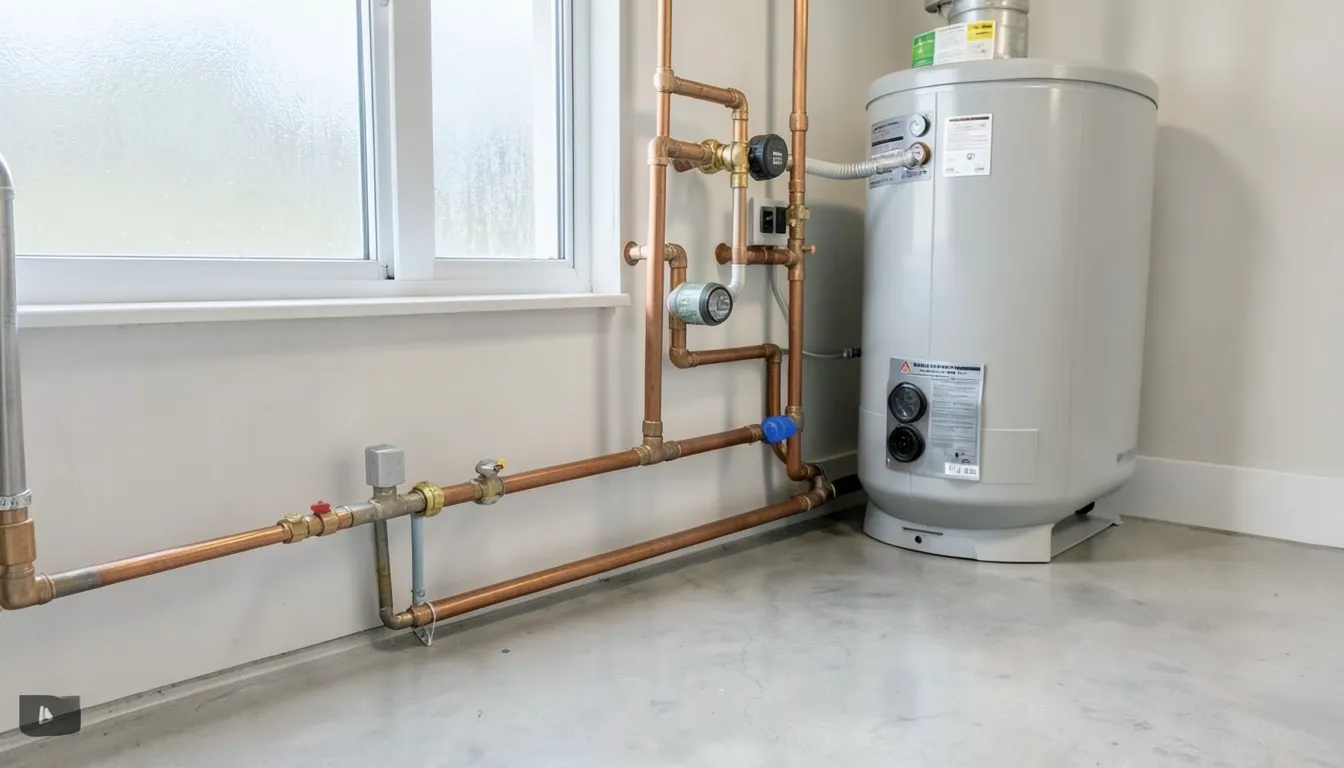
At 15–20+ GPG, calcium scale forces compressed equipment cycles in Boise: tank heaters average 6–9 years vs. the 10–12-year national benchmark, and tankless units require annual descaling. Anode rods calcify within 12–18 months. Most plumbers here assess heater age against the local scale timeline — not the manufacturer's service life.
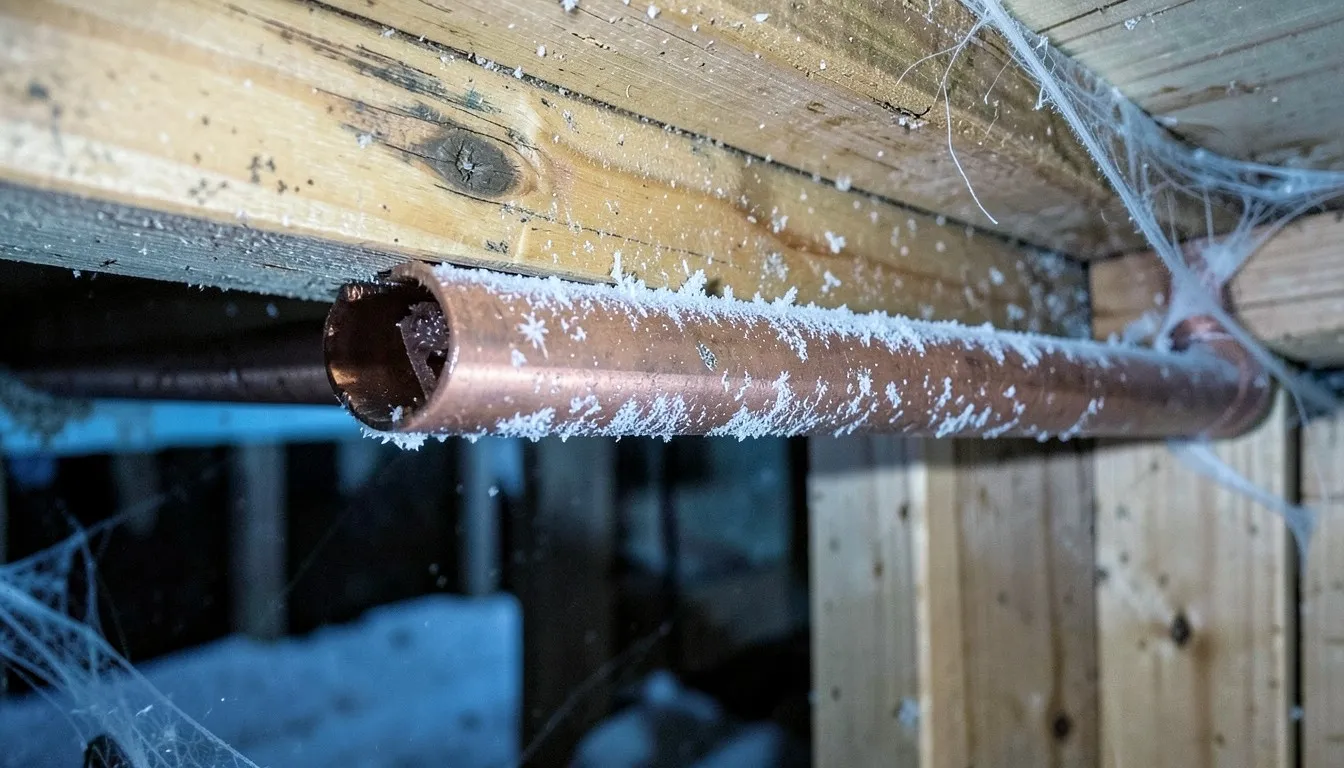
The primary surge in Boise runs January–March, with a secondary wave at the spring thaw — when pipes that held through the freeze rupture as pressure is restored above 32°F. Scheduling competition peaks exactly when emergency calls are highest. Homeowners who wait for visible damage compete for the same limited plumber slots at the worst possible time.
Why diagnose before repairing in Boise?
Describe the symptom — not the repair. AlertPlumber routes the call to an independent ID-licensed plumber in its partner's network — ask whether the site visit will use camera tracing, acoustic detection, or hydrostatic pressure testing matched to the reported failure type.
Ask the plumber for a written diagnostic report: confirmed failure location, available repair methods, and tradeoffs — disruption level, material durability, long-term cost, and whether a Boise building permit applies to the selected method.
You select the repair path. Ask for a fixed scope and price on the authorized method before the Idaho-licensed plumber proceeds and, where required, who files the permit application to Boise.
Leak Detection cost calculator — Boise
Pre-filled for leak detection in Boise. Adjust the ZIP for a neighboring area, or change the service to compare. Calculator pulls from the city's scraped permit-fee + state plumber-density data.
Leak Detection in Boise — the longer it runs, the more it costs.
Slow failures compound: soft pipe walls, root penetration, mineral buildup. Ask the plumber you reach for a scope-first estimate before anything is dug up.
What else do people ask about leak detection in Boise?
How much does leak detection cost in Boise, ID?
Boise leak detection typically runs less for a non-invasive acoustic and thermal survey on a single suspected line, than for a full-house workup including pressure-decay testing across multiple rooms. Pricing reflects the matched plumber's time working with Boise Bench postwar galvanized pinhole patterns and the diagnostic complexity of Sawtooth foothills hillside properties where static-pressure gradient varies room-to-room. The City of Boise Planning & Development Services permit applies only after detection if the repair scope crosses into pipe replacement. Price ranges: leak detection cost guide.
Why are Boise Bench postwar homes prone to galvanized pinhole leaks?
Boise Bench 1940s-50s ranch homes were built during the postwar galvanized-supply era — the original 3/4-inch galvanized branch lines have been carrying 15 gpg Treasure Valley aquifer water for 70+ years. Per the USGS hardness classification, that "very hard" water deposits internal carbonate scale that narrows the bore and creates electrolytic dissimilar-metal points where copper transitions were added during later remodels. The result is the classic Bench pinhole pattern: a 0.5-1.5 GPM weep behind drywall on an interior wall, usually 18–36 inches above slab grade. The matched ID DOPL plumber's acoustic gear localizes the pinhole to within 6–12 inches; thermal imaging cross-confirms.
How does Sawtooth foothills hillside grade affect leak detection on East End properties?
Significantly. East End homes against the Sawtooth foothills sit on grade that varies 20–80 feet of elevation across a single block — static water pressure at the lower-elevation curb tap can run 75–95 psi while the upper-elevation fixtures see 45–60 psi. That pressure differential stresses joints on the upstairs supply runs and creates cracking patterns at fitting transitions that flat-grade leak detection methodology misses. The matched plumber zones the property by elevation, applies pressure-decay testing per zone rather than whole-house, and isolates the leak to the specific gradient zone before acoustic localization. NWS Boise climate data also flags that the foothills see steeper diurnal temperature swings, which compounds joint-fatigue cycling.
Why does Boise's 30-inch frost depth drive shallow-pipe failures?
Idaho code requires service lines buried below the 30-inch frost line, but pre-WWII North End and East End homes often have laterals and supply runs that were originally set at 18–24 inches — code at the time. After 100+ years of soil compaction, freeze-thaw heaving, and yard regrading, those original shallow runs migrated even closer to the surface in spots. During the 124-day freeze season per NOAA NCEI Boise records, the shallowest segments freeze-flex and crack at fittings. The leak presents in late winter or early spring as a wet patch in the yard or a pressure drop at hose-bib elevation. The matched plumber's thermal imaging picks up the frozen-zone signature; acoustic confirms the crack location for excavation.
What leak-detection equipment does a Boise plumber bring on a callout?
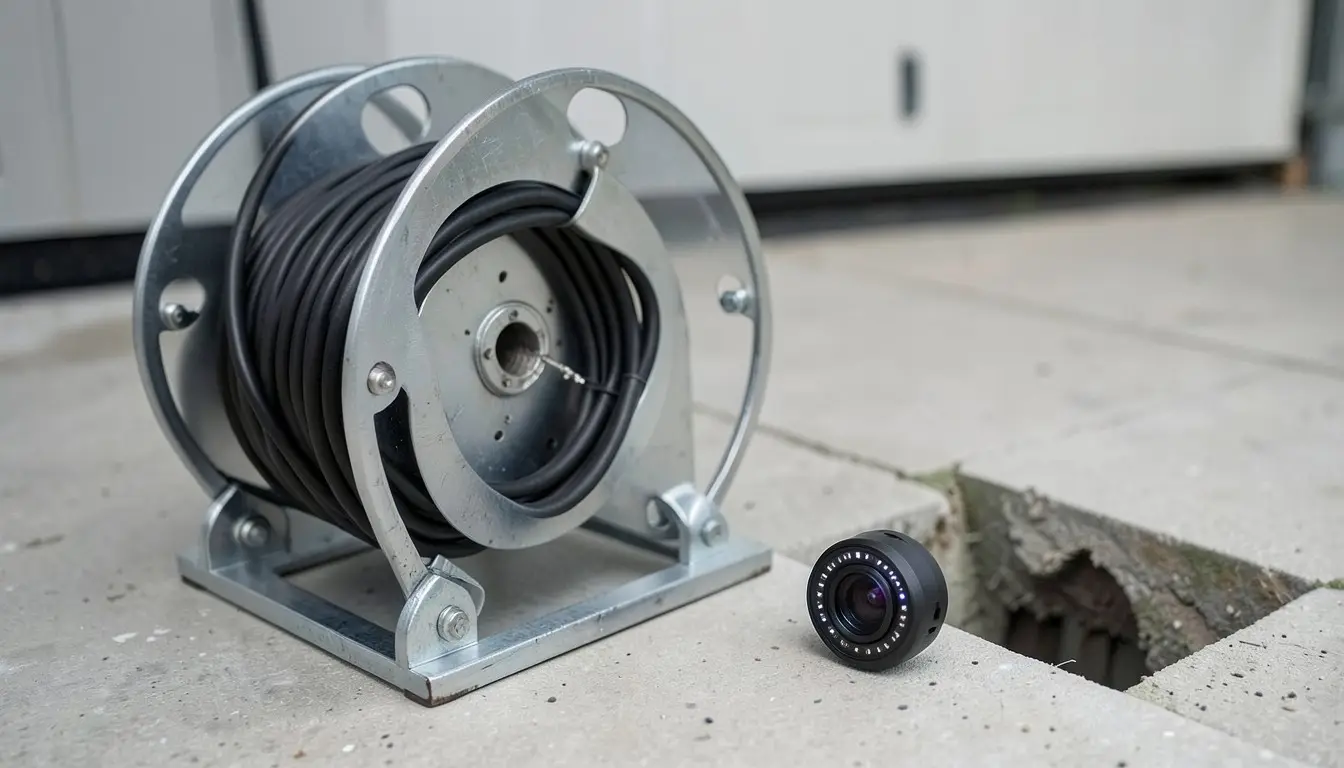
Standard kit for a Treasure Valley callout: ground-microphone acoustic listening device (5–250 Hz range), thermal imaging camera (FLIR-class), pressure-decay manifold for whole-house isolation testing, tracer gas (nitrogen/hydrogen blend) for buried-line localization on Boise Bench slab transitions, moisture meter for drywall confirmation, and a borescope for cavity inspection on North End plaster walls. Some matched plumbers also carry a video pipe camera for confirming supply-side condition when a leak overlaps with suspected scale damage from 15 gpg aquifer water. Equipment selection is calibrated to the property type — pre-WWII bungalow vs Boise Bench ranch vs Foothills hillside — on the callback.
Can I find a Boise water leak myself before calling a plumber?
Some leaks yes, most no. DIY-reasonable checks: shut off all fixtures and watch the water meter dial — any movement over 15 minutes confirms a leak somewhere; check toilet flapper seal with food dye; inspect under-sink and washing-machine supply hoses for surface drip; walk yard perimeter for wet patches during the dry summer months. Stop and call when: pressure drops without visible source, you hear running water with all fixtures off, slab home shows warm-spot on floor (hot-side leak), winter wall stain appears on an exterior north-facing wall (likely frost-zone shallow-pipe failure), or hillside home shows unexplained pressure swings between rooms. The matched ID DOPL plumber's acoustic equipment localizes within inches; DIY methods rarely close the gap on hidden leaks.
Will Idaho homeowners insurance cover Boise leak detection?
Standard Idaho HO-3 policies typically cover sudden-and-accidental water damage from a discovered leak (drywall, flooring, mold remediation) subject to deductible — but the leak-detection diagnostic itself is often classified as part of the loss-investigation, not a separate service. Whether the diagnostic gets reimbursed depends on carrier and policy. State Farm, Farmers, Idaho Farm Bureau, and Allstate are the most common Ada County carriers. The matched plumber provides a written report with acoustic readings, thermal images, and the localized leak coordinates — that documentation is what carriers want for claim approval. Slow long-term leaks (the kind that rot a sub-floor over 18 months) are typically not covered; the failure must be sudden. File within 30 days.
Why do Warm Springs historic district properties need extra care on leak detection?
Warm Springs Avenue is the only neighborhood in North America heated by direct geothermal distribution — the underground mains carrying 175°F geothermal water run beneath the street and into individual homes for radiator-circuit heating. Leak detection on these properties requires the matched plumber to distinguish between potable supply leaks, sanitary drain failures, and geothermal-line issues, each of which acoustically signatures differently and requires different repair scope. Thermal imaging is essential here because the geothermal infrastructure creates background heat patterns that mask conventional leak signatures. AlertPlumber routes Warm Springs calls to plumbers with documented historic-district and geothermal-adjacent experience.
How long does a Boise leak detection visit take?
A single-zone acoustic and thermal survey on a Boise Bench postwar ranch runs 60–90 minutes including setup, isolation, scan, and report. A full-house workup on a North End or East End pre-WWII bungalow runs 90–150 minutes because the matched plumber zones the property and runs sequential pressure-decay tests. Foothills hillside East End calls run 120–180 minutes — the elevation-zoning protocol takes extra time but localizes leaks the flat-grade methodology misses. Callback timing in Ada County depends on the plumber who takes the call, and late-winter freeze-failure season (February-March) can extend scheduling 24–48 hours.
How do I check the license of plumbers in Idaho?
The partner network requires every plumber routed through AlertPlumber in Boise to maintain active Idaho state-credentialed status — ID DOPL Journeyman or Master Plumber, 2024 — roughly 6,800 active statewide. AlertPlumber doesn't independently verify each plumber on a per-call basis; homeowners are encouraged to confirm the specific license number with ID DOPL via the link above before authorizing any work. Leak detection equipment is checked at the contractor level — the partner network screens for acoustic and thermal certification documentation.
What Boise ZIPs does AlertPlumber cover for leak detection?
AlertPlumber's Treasure Valley leak detection grid covers the 235,684-resident City of Boise footprint plus surrounding Ada County via Veolia Water Idaho service area (formerly SUEZ Boise / United Water Idaho, groundwater wells from the Treasure Valley aquifer). Core ZIPs: 83702 (North End / Hyde Park / Warm Springs), 83712 (East End / Old Boise foothills), 83705 (Boise Bench / Vista / Depot Bench), 83706 (lower Bench / Boise River corridor), 83709 (West Boise), 83704 (Garden City fringe), and 83716 (East Boise / Barber Valley). Local context. 15 gpg very hard water at a scope-based price per 1,000 gallons, 124 freeze days, 30-inch frost depth, 1978 median build per data.census.gov, 1,200 documented lead service lines. Boise Bench galvanized pinhole and Foothills hillside static-pressure cracking dominate the local detection workload. Price ranges: leak detection cost guide.
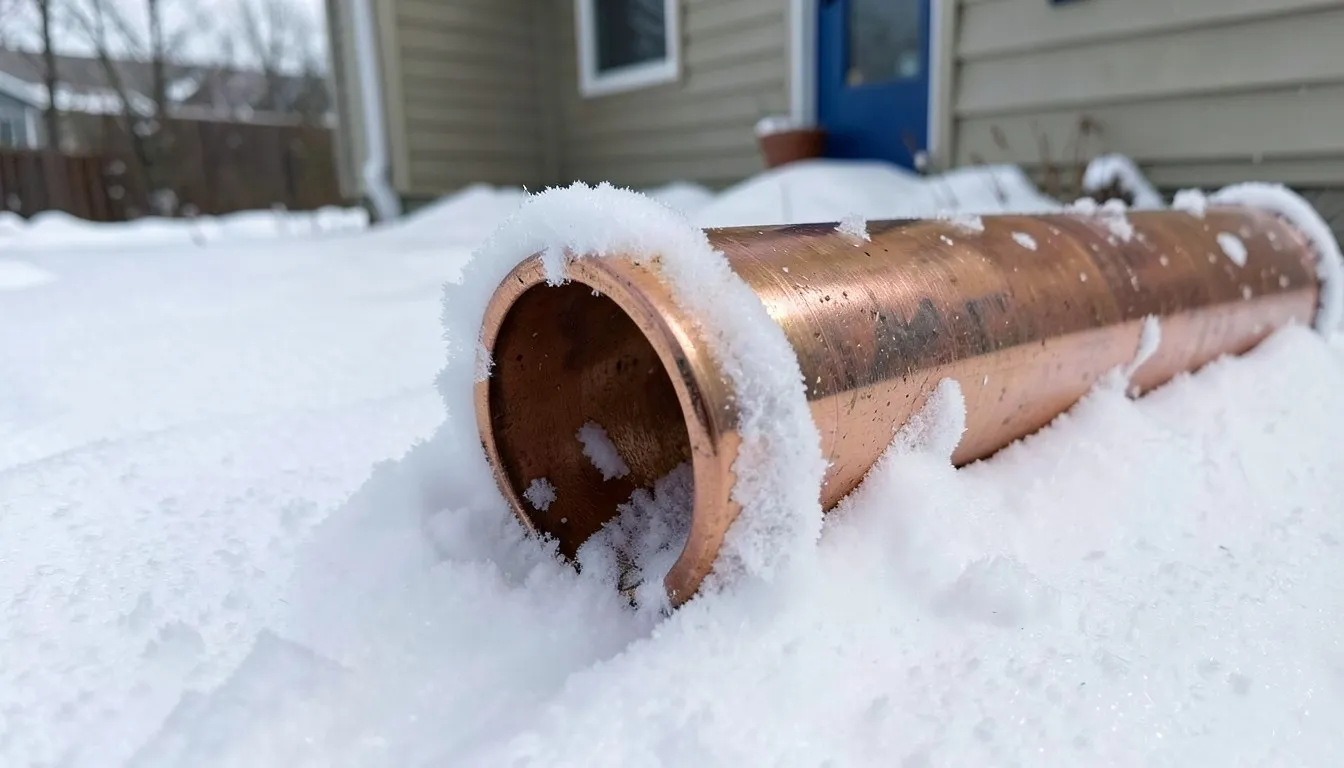
The fix gets cheaper the sooner a plumber sees it.
Degradation problems compound quietly. Call now, or use the form below to reach an independent Idaho plumber, and ask for an estimate for the leak detection — you are under no obligation.
Need a leak detection callback in Boise?
In a meeting, with the kids, or just prefer not to call? Drop your ZIP and number below. AlertPlumber sends your request to our routing partner — if a participating plumber serves your area, they may call you back directly. For anything urgent, call the number on this page.
- 1 Submit your info. ZIP, phone, and what kind of work you need.
- 2 AlertPlumber passes it on to our routing partner for your area.
- 3 If a participating plumber serves your area, they may call you back. Ask for a written estimate before work starts.
Leak Detection in Boise — catch it early
Degradation-driven failures worsen over time and cost more to fix the longer they run. Ask the independent ID plumber you reach in Boise to diagnose your specific condition and put the scope in writing before any work begins.