
Silicone Sealant
A flexible, waterproof sealant used around tubs, showers, sinks, and fixtures to prevent water infiltration at joints between plumbing fixtures and surrounding surfaces.
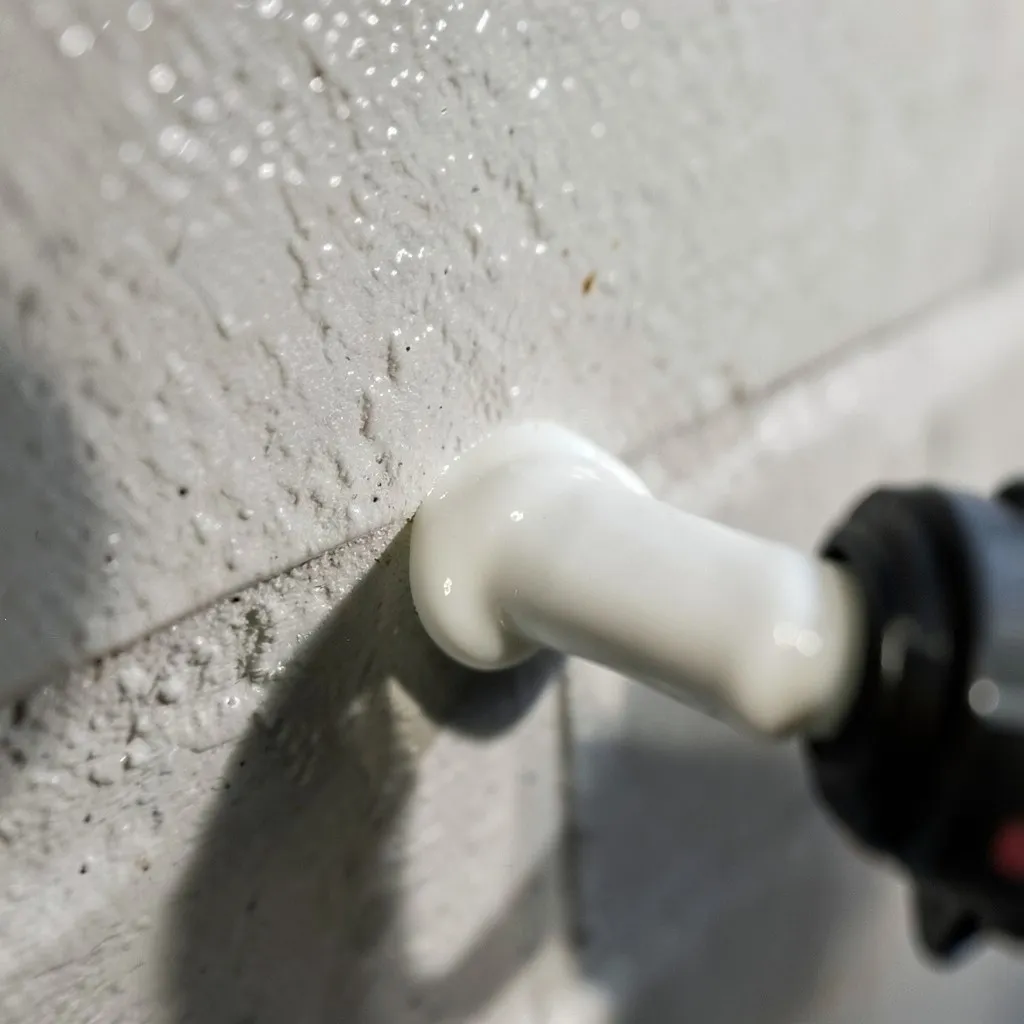
Silicone sealant (commonly called caulk or silicone caulk) is a flexible, waterproof compound used to seal the joint between plumbing fixtures (tubs, shower pans, sinks, countertops) and adjacent tile, wall surfaces, or flooring. It remains permanently flexible after curing, accommodating the slight movement and thermal expansion between dissimilar materials without cracking — unlike grout or rigid caulks, which crack and allow water infiltration.
Why is silicone used in wet areas?
Silicone's key properties for plumbing applications: 100% waterproof, highly flexible (won't crack from movement), excellent adhesion to non-porous surfaces (porcelain, ceramic tile, glass, metal, fiberglass), and resistance to mold and mildew (when using products with mold inhibitors). It lasts 10–20 years in properly prepared joints before needing replacement.
Silicone or latex/acrylic caulk — which should you use?
Latex (acrylic) caulk is easier to apply and clean up (water cleanup, paintable) but far less durable in wet conditions — it deteriorates and allows water infiltration within 2–5 years in a shower. For any wet plumbing application, 100% silicone (or siliconized latex for semi-wet areas) is the correct choice. Look for "kitchen and bath" or "tub and tile" silicone with mold-inhibiting additives.
How do you apply silicone sealant?
- Remove all old caulk with a caulk removal tool and clean the joint thoroughly.
- Dry the joint completely — silicone won't bond to wet surfaces.
- Apply painter's tape on both sides of the joint for clean edges.
- Apply silicone in a continuous bead, filling the joint completely.
- Smooth with a wetted finger or caulk tool within 5 minutes.
- Remove tape before the silicone skins over (within 10–15 minutes).
- Cure time: 24 hours before water exposure; full cure in 72 hours.
When should you replace caulk?
Replace any caulk that is cracked, pulling away from the surface, discolored (black mold), or missing sections. A failed caulk bead at the tub-wall joint is the #1 entry point for water damage inside bathroom walls.
Researching the term is one thing — hiring for it is another. See faucet & fixture installation services for scope, timelines, and what drives the price, or call (888) 530-4445 for a no-cost estimate.
What related terms should you know?
What sources back this up?
Need a verified plumber for faucet & fixture installation?
AlertPlumber matches you with a licensed plumber for faucet & fixture installation. Written estimate before any work begins.