
Grease Trap
A plumbing device that intercepts fats, oils, and grease before they enter the sewer system — required by code in commercial kitchens and occasionally recommended for residential use.
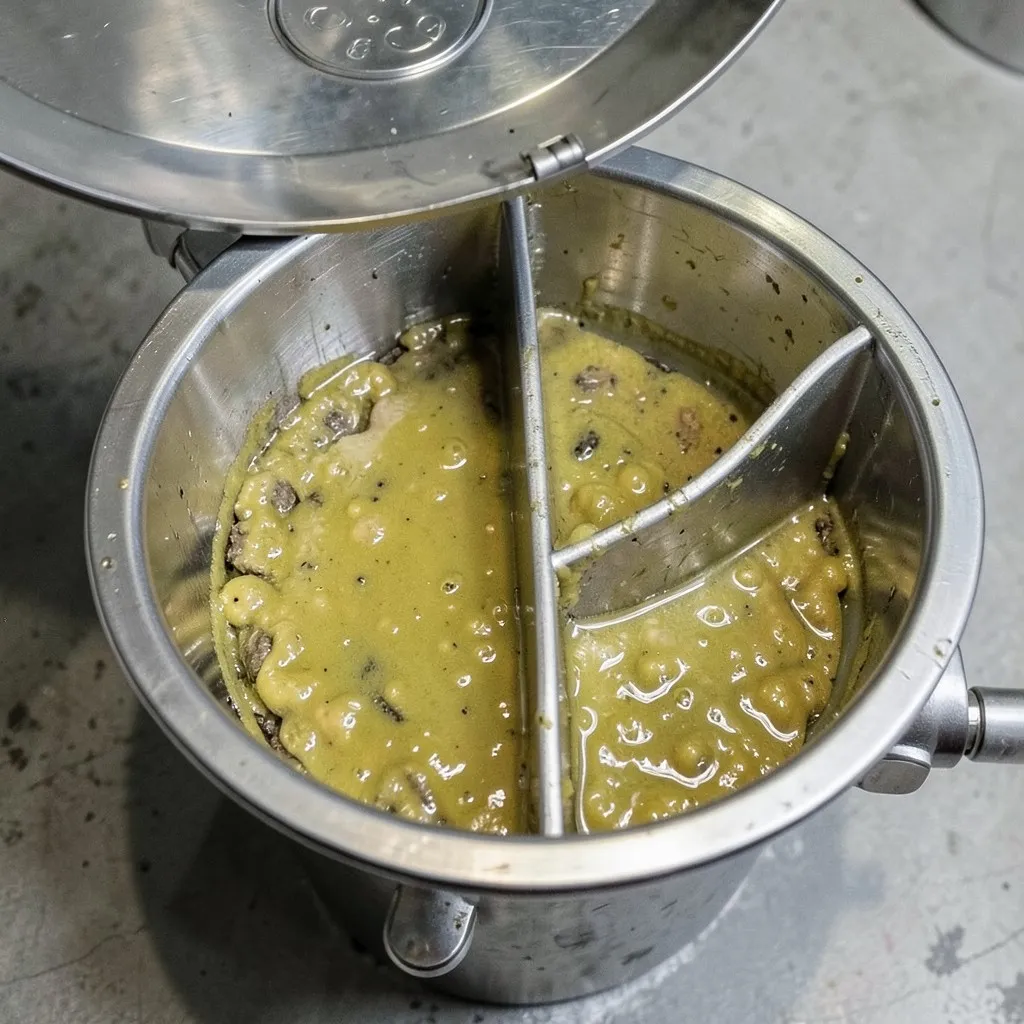
A grease trap (also called a grease interceptor) is a plumbing device installed between kitchen drains and the sewer line. Its job is to capture fats, oils, and grease (FOG) before they enter the sewer system, where they cool, solidify, and accumulate — eventually causing blockages known as "fatbergs" in municipal sewer mains.
How do grease traps work?
Grease traps use gravity separation. Wastewater from kitchen sinks and dishwashers enters a baffled chamber where flow slows down. Grease and oils float to the top (they're less dense than water); heavier solids sink to the bottom. Relatively clean water exits through a submerged outlet in the middle. The captured grease and solids accumulate in the trap until it's cleaned out.
Commercial or residential — how do grease traps differ?
Commercial grease traps are mandatory under most local plumbing codes for any food service establishment — restaurants, cafeterias, institutional kitchens. They range from 25-gallon under-sink units to 5,000-gallon in-ground interceptors. Commercial traps require regular pumping (typically every 1–3 months) and maintenance records for health inspections.
Residential grease traps are rarely required by code but are sometimes recommended for properties served by septic systems, where FOG disrupts the bacterial action in the septic tank. A residential trap might be 5–50 gallons, installed under the kitchen sink, cleaned every 1–2 months.
What are the signs a grease trap needs service?
- Slow kitchen drain despite no physical clog
- Grease odors from the sink area
- The trap is more than 25% full of grease and solids (the "25% rule" for service frequency)
What does a grease trap cost?
Under-sink grease traps cost $250–$800 installed. Commercial in-ground interceptors run $5,000–$30,000 installed. Pumping service costs $150–$500 per visit depending on trap size and grease volume.
Researching the term is one thing — hiring for it is another. See hydro jetting services for scope, timelines, and what drives the price, or call (888) 530-4445 for a no-cost estimate.
For the full picture — materials, process, timelines and what drives the cost — read Hydro Jetting: The Complete Guide.
What related terms should you know?
What sources back this up?
Need a verified plumber for hydro jetting?
AlertPlumber matches you with a licensed plumber for hydro jetting. Written estimate before any work begins.