
Water Testing
Laboratory or at-home analysis of drinking water to identify contaminants, assess water quality, and determine what treatment systems are needed — especially important for private well owners.
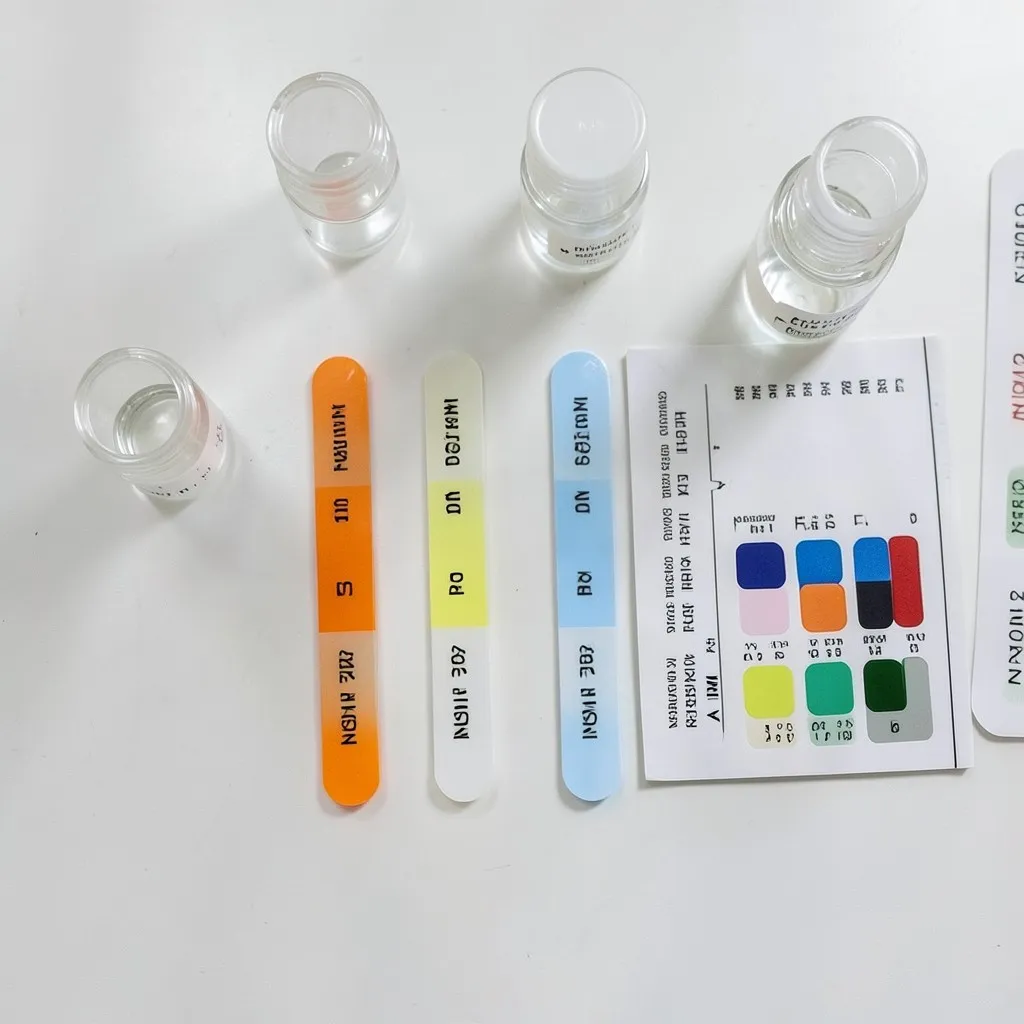
Water testing is the process of analyzing a water sample for contaminants, minerals, and other characteristics that affect safety and quality. Municipal water customers receive annual Consumer Confidence Reports (CCR) from their utility. Private well owners have no such oversight — they are solely responsible for testing and treating their own water supply, and the EPA strongly recommends annual testing for at least basic parameters.
What should you test water for?
Minimum annual tests for well water: coliform bacteria (E. coli), pH, nitrates (especially if children under 6 are in the home), and total dissolved solids (TDS). Beyond these basics, test for additional parameters based on local geology and land use:
- Hard water areas: hardness, iron, manganese
- Agricultural areas: nitrates, pesticides, herbicides
- Near industrial sites: heavy metals (lead, arsenic, chromium), VOCs
- Radon zones (Northeast, Midwest): radon in water
- Older homes: lead (from lead service lines or lead solder in pre-1986 plumbing)
What water testing methods are there?
- Certified lab test: the gold standard. Collect samples in lab-provided containers following specific protocols. Mail to an EPA-certified lab. Results in 5–10 business days. Cost: depends on the panel.
- At-home test kits: fast (results in minutes) but limited accuracy. Good for basic screening (pH, hardness, nitrates, bacteria) but not for legal compliance or detailed contaminant identification.
- State health department testing: many state programs offer free or low-cost basic water testing for private well owners.
How do you act on water test results?
Bacterial contamination requires shock chlorination of the well and retesting. High hardness calls for a water softener. Lead requires either replacing lead service lines and fixtures or installing a certified NSF 53 filter. Arsenic requires a reverse osmosis system or an NSF 58-certified filter. Never rely on a water treatment dealer's in-home "free water test" for unbiased analysis — use an independent certified lab.
Researching the term is one thing — hiring for it is another. See water softener installation services for scope, timelines, and what drives the price, or call (888) 530-4445 to talk to a local plumber about the job.
For the full picture — materials, process, timelines and what drives the cost — read Water Softener Installation Guide.
What related terms should you know?
What sources back this up?
Need a plumber for water softener installation?
Calls are connected to independent licensed local plumbers in our partner's network for water softener installation. Ask for the license number and a written estimate before any work begins.