
Septic Tank
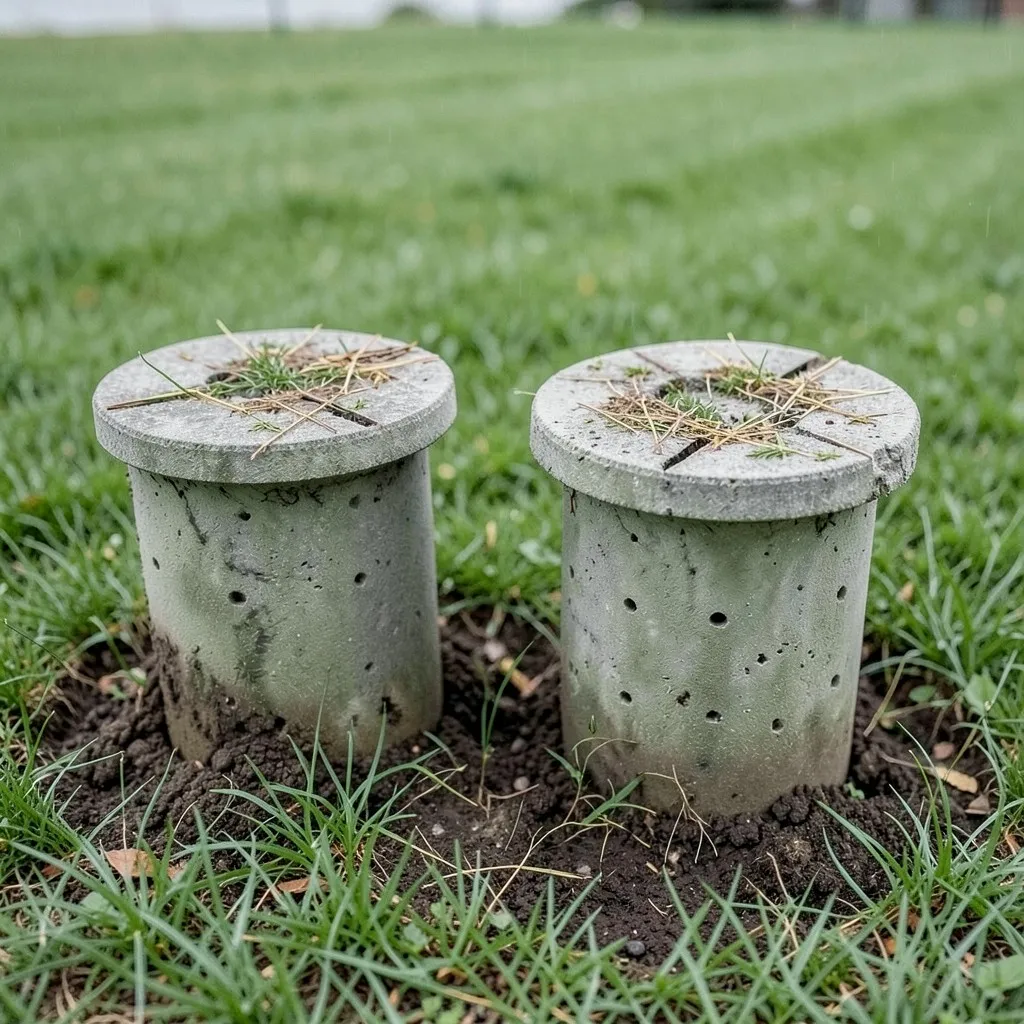
A septic tank is a buried, watertight container — typically 1,000–2,000 gallons — that receives all wastewater from a home not connected to a municipal sewer system. It provides the first stage of on-site sewage treatment: holding waste long enough for solids to settle (forming sludge at the bottom), grease to float (forming scum at the top), and partially clarified liquid (effluent) to exit to the drain field for secondary treatment in the soil.
How a septic system works
- All household drains (toilets, sinks, showers, laundry) feed into the septic tank via the sewer lateral.
- Inside the tank, bacteria break down organic solids. Sludge accumulates at the bottom; scum floats on top; clarified effluent occupies the middle layer.
- Effluent exits through the outlet baffle into the distribution box, then spreads through perforated pipes in the drain field (leach field).
- In the drain field, the effluent filters through the soil, where bacteria and physical processes remove remaining pathogens and nutrients before it reaches groundwater.
Pumping frequency
Sludge accumulates over time and must be pumped out before it displaces effluent (causing sewage backups) or clogs the drain field. The EPA recommends pumping every 3–5 years for a typical family of four. A tank inspector can measure sludge and scum layers to determine the correct interval. Pumping costs $250–$600.
What not to flush
Septic systems depend on bacterial action — antibiotics, harsh chemical drain cleaners, and non-biodegradable materials disrupt or destroy the bacterial population. Never flush: wipes (even "flushable"), feminine hygiene products, medications, excessive cooking grease, or large quantities of chemical drain cleaner. Use septic-safe toilet paper (single-ply dissolves faster).
Warning signs of septic problems
Slow drains throughout the house, sewage odors in the yard, unusually lush green grass over the drain field, or sewage backing up into the lowest fixtures all signal septic system problems. Early intervention (pumping, inspection) costs far less than drain field replacement ($5,000–$25,000).
Related terms
Sources
Sewer Line Repair — verified plumbers available
AlertPlumber matches you with a licensed plumber for sewer line repair. Written estimate before any work begins.