
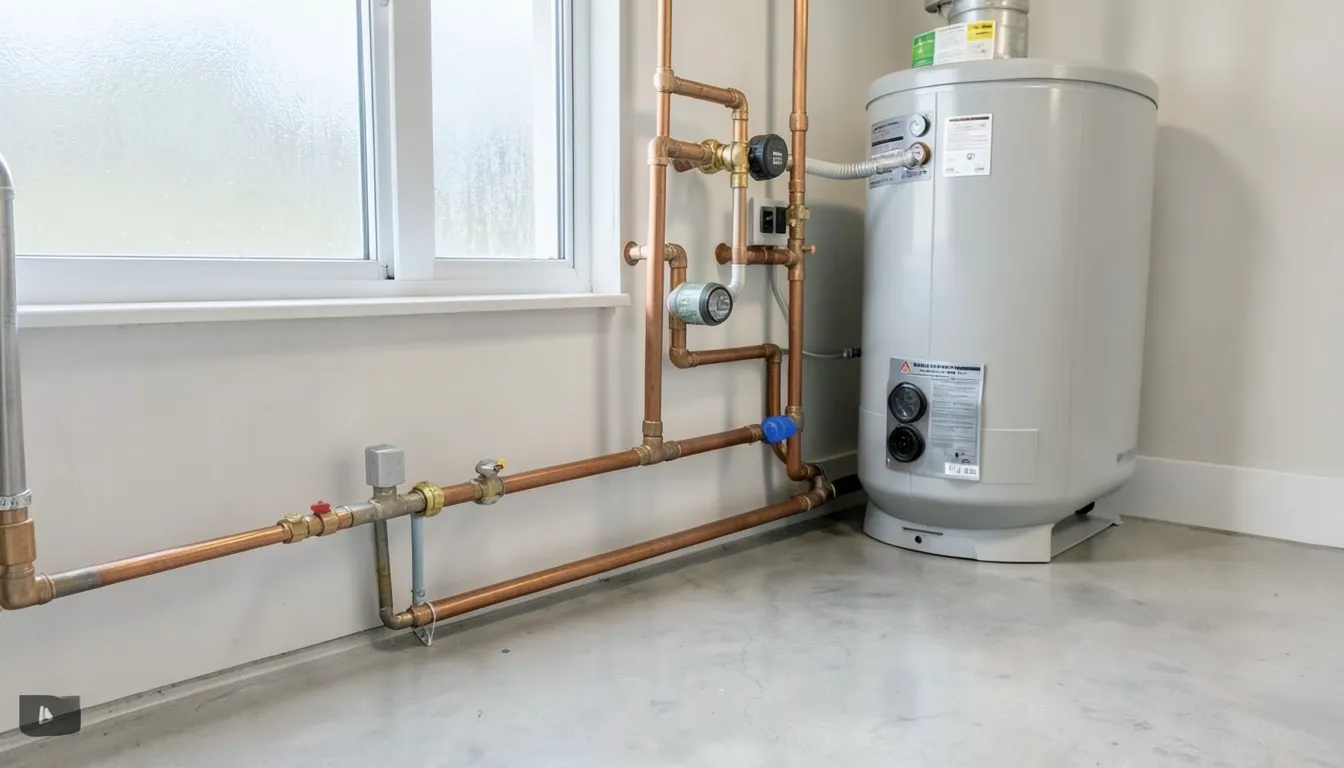
Water Softener Installation in Charlotte, North Carolina
Water Softener Installation in Charlotte, North Carolina installs whole-home water softeners and salt-free conditioners. Local conditions in Charlotte: water measured at 1.5, a 10 frost line and a median home age of 31 years.
Book it this week — a licensed NC plumber quotes it by phone before anyone rolls a truck.
What does the local plumbing data show for Charlotte, NC?
Seeing these conditions at your place in Charlotte? A state-licensed plumber can confirm it over the phone — free, no obligation.
What are the pipe conditions in Charlotte, NC?
Water softener installation in Charlotte is calibrated to the local water hardness — GPG level determines the resin tank size, regeneration cycle frequency, and salt type required. An undersized softener in a hard-water market regenerates too frequently and passes hard water during peak demand. Drain line placement and brine tank position require planning; older homes may need the softener positioned before the water heater but after the main shutoff. AlertPlumber connects you with a North Carolina-licensed plumber who specifies the unit based on your actual hardness reading.
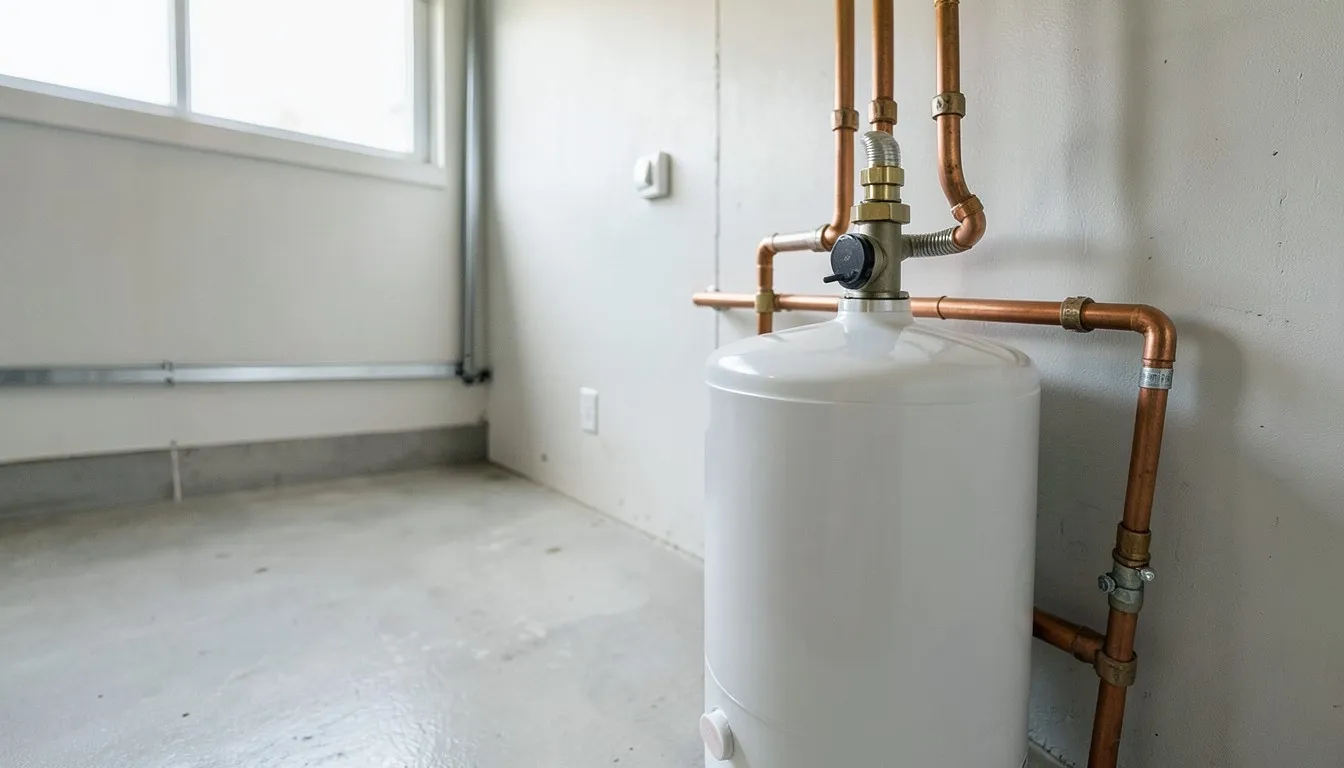
Homes built in Charlotte between 1978 and 1995 — median age 31 years — may carry polybutylene supply lines, a grey plastic material recalled in 1995 after a class-action settlement documented widespread failure under chlorinated municipal water. Polybutylene fails at fittings and mid-run stress points; a licensed plumber can identify the material by pipe color and fitting type and advise on repipe timing.
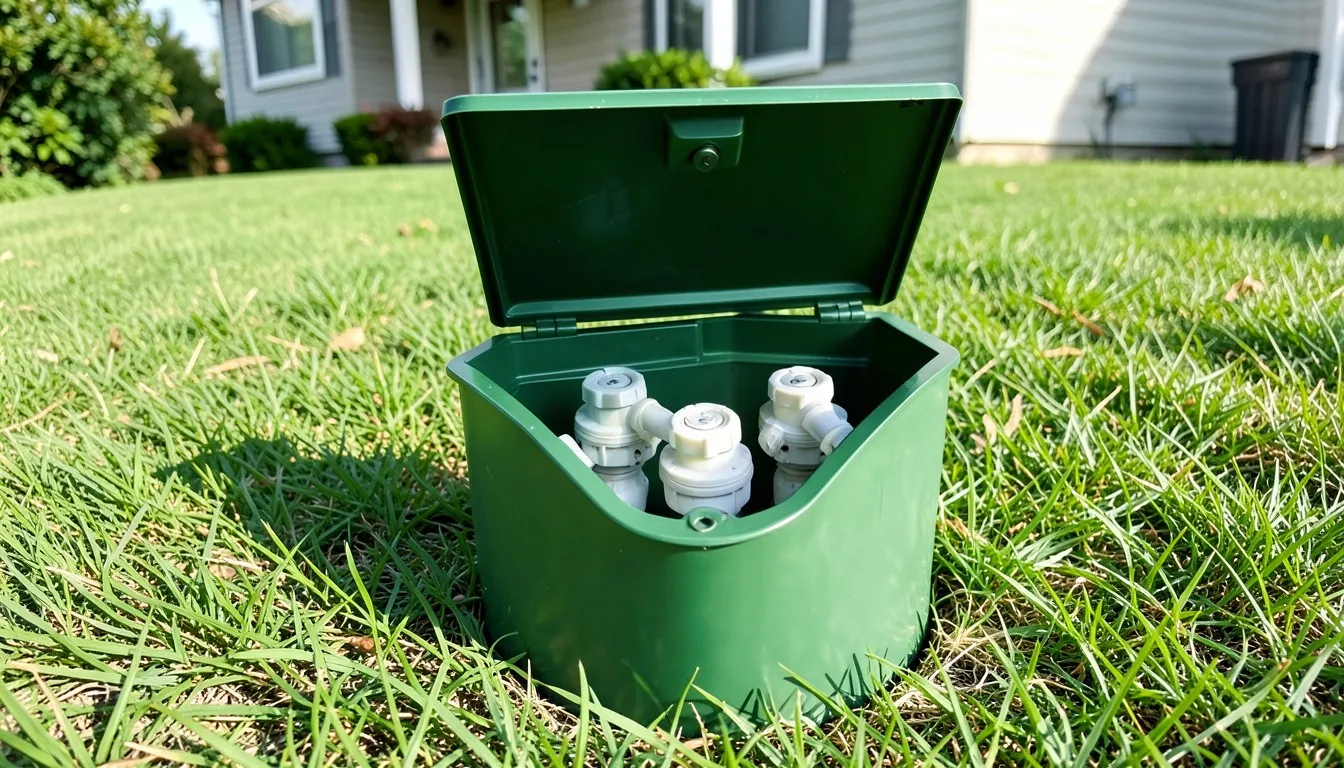
Frost line depth in Charlotte means supply lines and outdoor plumbing must be installed below the freeze threshold — typically 10 — to prevent pipe burst during cold events. Exterior hose bibs, irrigation shutoffs, and any exposed pipe runs are the most common winterization service points in freeze-risk markets.
- Median home age
- 31 yrs
- Water hardness
- 1.5 gpg
- Frost line
- 10 in.
- Lead lines
- Active replacement
- Permit
- $120
A licensed NC plumber reads these conditions the moment you describe the symptom.
What local infrastructure shapes Water Softener Installation in Charlotte?
Charlotte Water draws from Mountain Island Lake and Lake Norman on the Catawba River system, delivering water at approximately 1.5 grains per gallon — a soft supply documented in the utility's annual consumer confidence report. At this hardness level, salt-based ion exchange softening removes no meaningful mineral content and is not a standard installation in this market. Charlotte's modern housing stock, with a 31-year median home age, is built primarily with copper and PEX distribution where hardness-driven scale is not a characteristic complaint.
Charlotte's soft supply and modern pipe profile create a distinct installation context compared to very-hard water markets. Softened water at an already-low hardness level has minimal mineral buffering capacity, and further reduction through ion exchange increases the corrosion potential of the supply on interior pipe surfaces. Modern PEX and copper distribution is generally tolerant of soft water, but the 950 identified lead service lines and pre-1987 copper construction segments with lead solder connections require attention.
Charlotte Mecklenburg County requires a permit for softener installation; the $120 fee covers the connection inspection. Charlotte Water's consumer confidence report documents current hardness and mineral content data homeowners should review before specifying treatment equipment. The 10-inch frost line poses no practical constraint on interior installations. Charlotte Water's municipal sewer system accepts residential brine discharge at standard volumes; North Carolina has no statewide sodium chloride restriction for residential softener applications.
What shapes plumbing demand in Charlotte, NC?
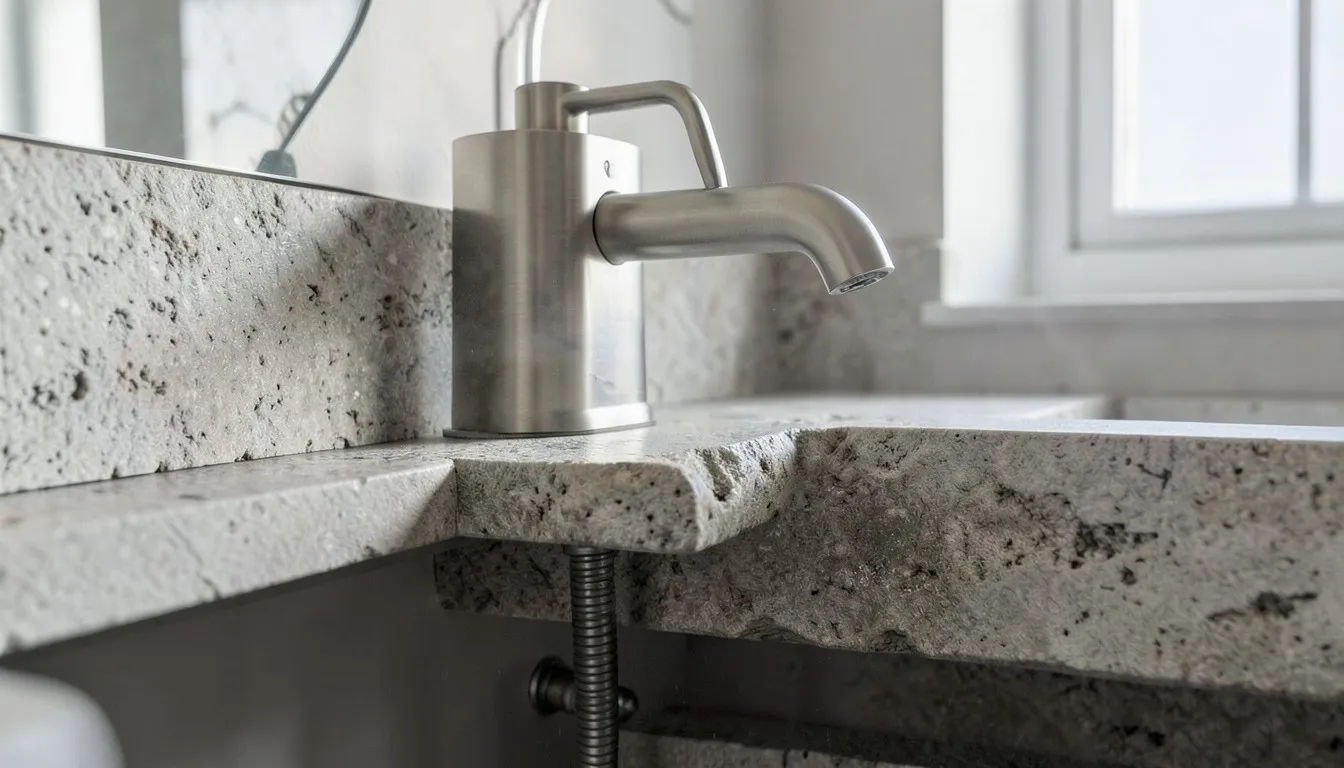
CPVC becomes brittle in the 20–35-year range and snaps under thermal stress or incompatible pipe dopes. Early PEX fittings (pre-2010) may develop chloramine compatibility issues at 15–25 years. The 1980s–1990s housing stock in Charlotte is entering its first wave of material-driven service calls — not from neglect, but from normal service-life progression.
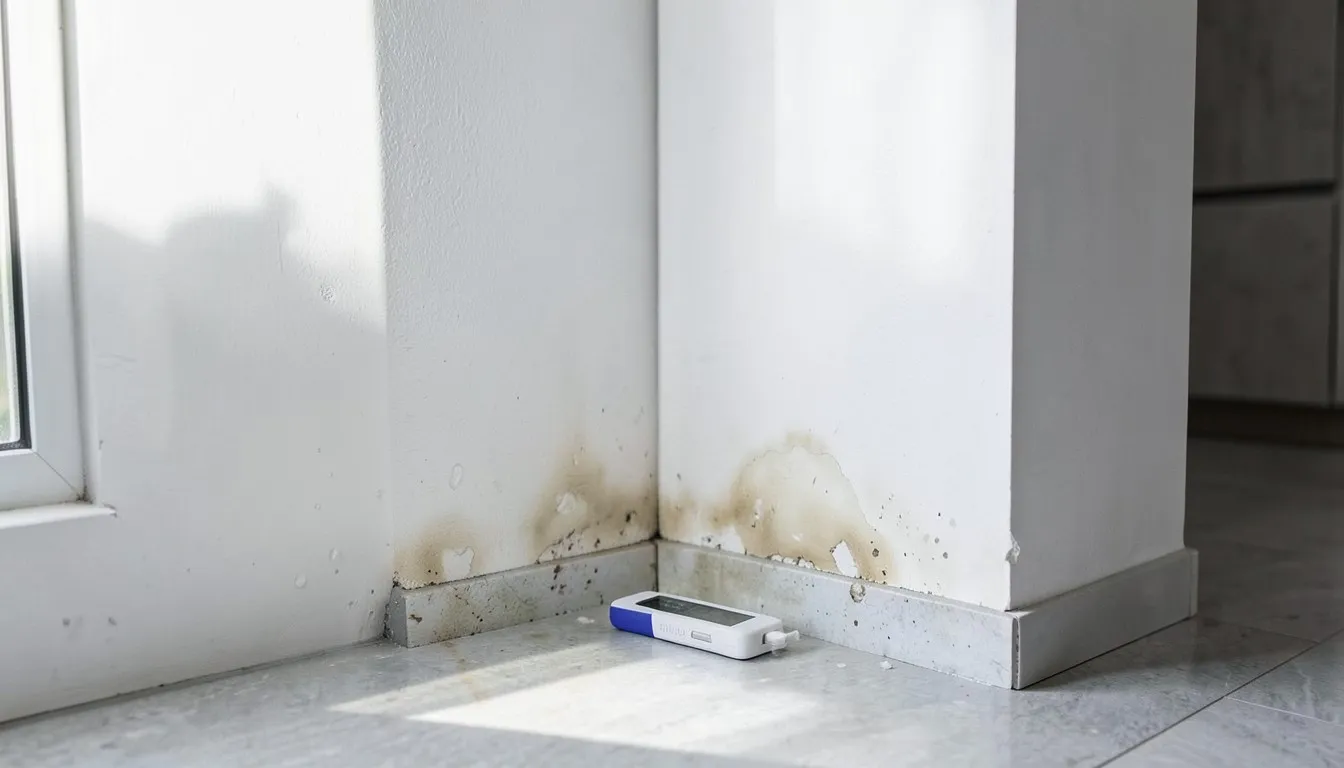
Soft, slightly acidic water in Charlotte is corrosive to copper pipe and solder joints — the opposite failure pattern from hard-water markets. Pinhole failure at fittings and elbows is the dominant non-emergency repair category. Anode rods also deplete faster in soft water, shortening effective tank life without timely replacement.
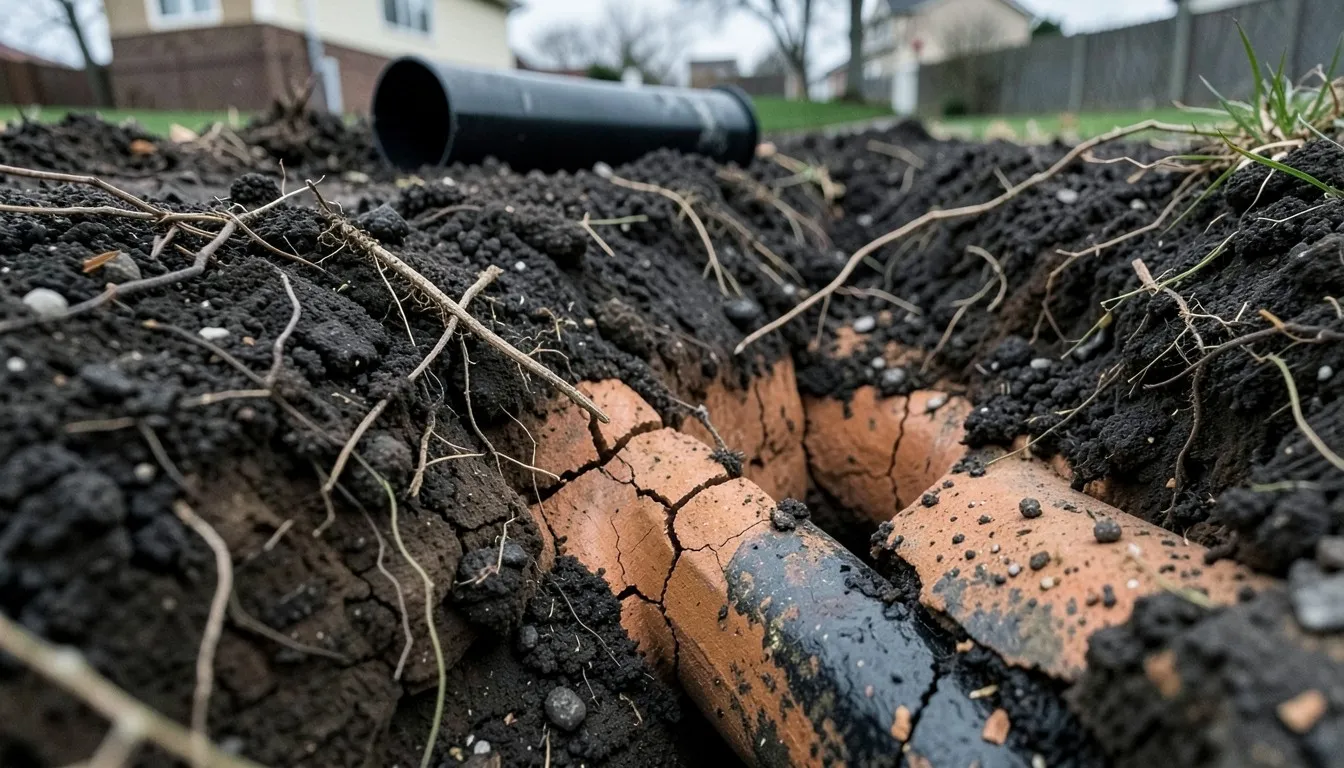
Drain and sewer line health drives the primary maintenance workload in Charlotte: high groundwater tables stress lateral joints and root intrusion accelerates in warm soil. AC condensate drainage adds a recurring summer category. Drain slowdowns that homeowners defer tend to surface as full blockages during the wet season when groundwater pressure compounds the obstruction.
Why does a Charlotte plumber estimate first and commit second?
Submit the service type and your Charlotte address. A North Carolina-licensed plumber reviews the description and schedules a site visit — typically within 24–48 hours. There is no financial commitment or obligation at this stage.
At the appointment, the plumber inspects the installation point, confirms the project approach, and delivers a written estimate: fixed price, material breakdown, and project timeline for Charlotte. Review it at your pace before deciding.
Once you approve the estimate, the plumber coordinates the start date. Required permits for Charlotte are pulled before the job starts. A final walkthrough after completion confirms every item in the agreed scope was delivered.
Water Softener Installation cost calculator — Charlotte
Pre-filled for water softener installation in Charlotte. Adjust the ZIP for a neighboring area, or change the service to compare. Calculator pulls from the city's scraped permit-fee + state plumber-density data.

Ready to move forward on water softener installation in Charlotte?
Lead times for equipment and scheduling vary by season. A verified plumber calls back with availability and a written estimate — locking in timing before demand peaks.
What else do people ask about water softener installation in Charlotte?
How much does water softener installation cost in Charlotte, NC?
Water softener installation in Charlotte runs $760–$2,850 (national $800–$3,000 adjusted roughly 5% below national average). A 32,000-grain salt-based system for a 2-bathroom home is at the lower end; a whole-home 48,000-grain dual-tank unit with professional installation and drain connection is at the higher end. Salt-free (template-assisted crystallization) systems cost similarly but don't remove hardness — they prevent scale without ion exchange.
Does Charlotte water actually need a softener?
Charlotte's 1.5 gpg water is very soft — a traditional ion-exchange softener would make the water aggressively corrosive. Most Charlotte homeowners don't need a softener; if you're seeing scale, confirm with a water test before installing one.
Salt-based vs salt-free water softener — which is right for Charlotte?
Salt-based (ion exchange) systems fully remove hardness minerals, producing genuinely soft water that lathers easily and extends appliance life. Salt-free (TAC/template crystallization) systems prevent scale attachment without removing minerals — they work well in the 1.5 gpg range and avoid the softened-water corrosion risk in copper-piped homes. If Charlotte has brine-discharge restrictions in your area, ask the plumber to confirm before purchasing — some California water districts restrict salt-based softeners.
How do I size a water softener for my Charlotte home?
Sizing formula: (household members × 75 gallons/day × water hardness in gpg) = daily grain removal needed × 7 days = system grain capacity. For a 4-person Charlotte home at 1.5 gpg: 4 × 75 × 1.5 × 7 = 3,150 grains — round up to the next standard size (typically 32K, 48K, or 64K grain). The plumber measures actual water hardness on-site and sizes accordingly.
What installation requirements apply to water softeners in Charlotte?
Softener installations in Charlotte require: a nearby floor drain or utility sink for brine discharge, a dedicated bypass valve on the inlet and outlet, and in some jurisdictions a separate permit from NC SBELC. The unit goes on the main supply line before water reaches heaters and fixtures — typically in the utility room near the main shutoff. Electrical outlet within 6 feet is needed for the control head. The plumber handles all connections and programs the regeneration cycle during installation.
How does a water softener affect Charlotte plumbing materials?
Charlotte's 1970s-80s clay housing stock includes a mix of materials. Soft water slightly increases the corrosivity of copper — if your home has copper supply lines, a properly set softener (targeting 5–7 gpg output, not 0) avoids the corrosion issue while still preventing scale. PEX and CPVC are unaffected by softened water. Galvanized steel actually benefits the most — softened water dramatically slows the internal rusting that narrows galvanized bore over decades.
How does brine discharge work and are there restrictions in Charlotte?
Salt-based softeners regenerate every 5–7 days, discharging brine (salty water) into the drain — typically 50–75 gallons per regeneration cycle. This goes to the sanitary sewer, not storm drain. Most Charlotte utilities allow standard brine discharge to sanitary sewer. Confirm with your local utility if you're in a sensitive groundwater recharge area.
What maintenance does a water softener need in Charlotte?
Refill the brine tank with salt every 4–8 weeks depending on usage and system size (50-lb bags run $8–$15). Check annually for salt bridges (a hardened crust that prevents salt from dissolving — break it up with a broom handle). Sanitize the resin tank every 5 years. Replace the resin bed every 10–15 years. Set the hardness level accurately during commissioning — a miscalibrated setting wastes salt or leaves water insufficiently softened.
Will a water softener protect my Charlotte water heater?
Charlotte's 1.5 gpg water causes moderate scale at best — a water softener helps, but proper annual heater flushing achieves most of the same protection.
Are AlertPlumber-matched water softener installers verified in NC?
Yes. Every plumber matched through AlertPlumber for water softener installation in Charlotte holds an active NC SBELC license. Installers in the network carry major brands (Fleck, Clack, Pentair) and will test your water hardness on-site before recommending a system — no upselling to an oversized unit.
A written quote costs you nothing. Guessing costs you the job.
The form below takes under a minute — a licensed North Carolina plumber calls back, scopes the water softener installation, and quotes it in writing before anyone rolls a truck.
Need a water softener installation callback in Charlotte?
In a meeting, with the kids, or just prefer not to hold? Drop your ZIP and number below. AlertPlumber routes your request to a verified plumber in your area — they’ll call you back directly.
- 1 Submit your info. ZIP, phone, and what kind of work you need.
- 2 AlertPlumber matches you with a verified plumber serving your area.
- 3 The plumber calls you back with a written estimate, no obligation.
Water Softener Installation in Charlotte — scope and schedule
AlertPlumber connects you with a verified NC plumber for water softener installation in Charlotte. Written estimate, permit coordination, and no obligation until you approve the quote.