
Emergency Sewer Line Repair in Atlanta, Georgia
Repairs broken or root-invaded sewer lines via spot repair, lining, or trenchless methods. AlertPlumber matches you with a verified GA plumber serving Atlanta.
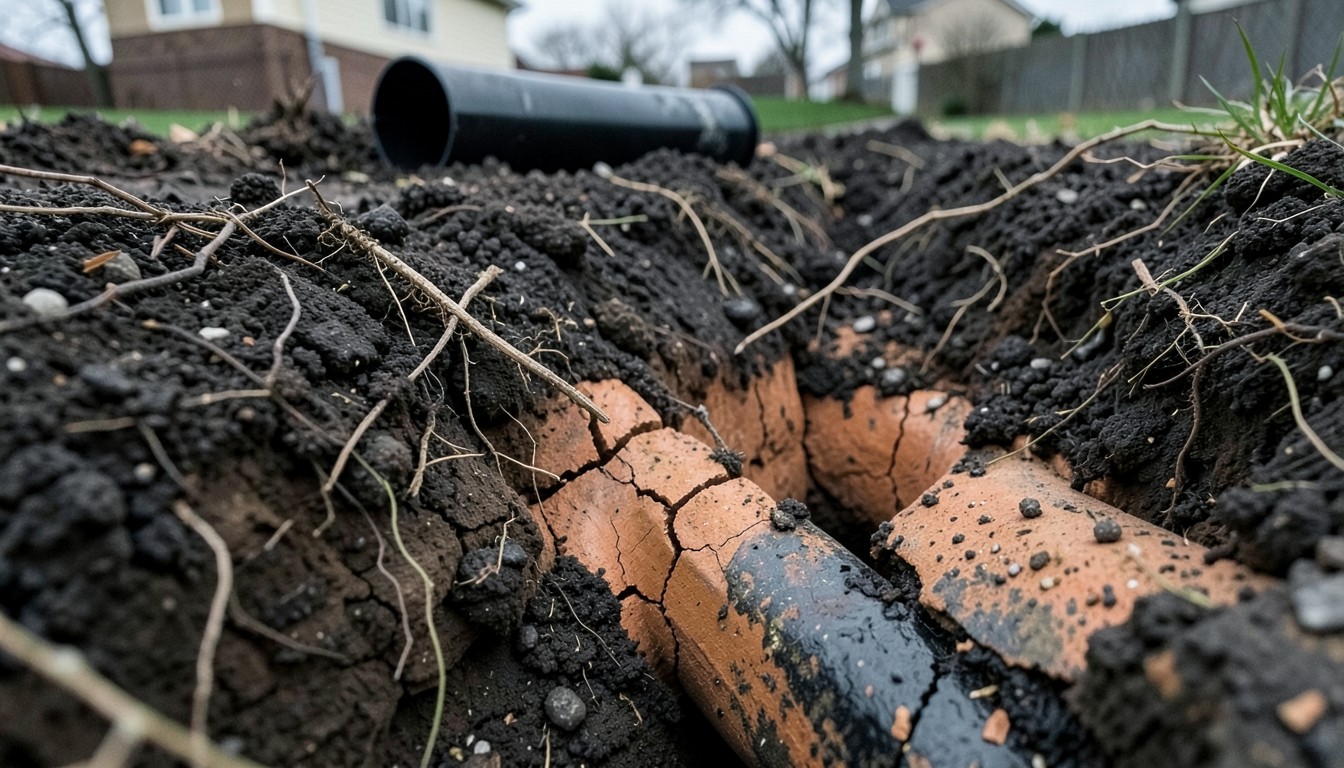
Local plumbing data for Atlanta, GA
Climate angle. Pre-1970s sewer mains under root pressure drive most main-line work; clay soil cycles in summer cause slab movement + slab-leak season runs Apr–Oct. Brief winter freeze events (12–18 days/yr) catch unwrapped exterior pipes.
Sewer Line Repair cost calculator — Atlanta
Pre-filled for sewer line repair in Atlanta. Adjust the ZIP for a neighboring area, or change the service to compare. Calculator pulls from the city's scraped permit-fee + state plumber-density data.
Sewer Line Repair in Atlanta — frequently asked
How much does sewer line repair cost in Atlanta?
Atlanta spot repairs typically land at $4,200-$10,000 because clay-soil shift cracks the lateral in awkward mid-run locations that require longer trenches. Full lateral replacement runs $5,800-$13,500. Intown bungalows and Inman Park Victorians push higher because of mature live oak roots and limited side-yard access. AlertPlumber sends quotes from Georgia-verified plumbers (11,420 statewide) who price excavation, bedding stone, pipe, and sod restoration as separate line items so you can compare apples-to-apples across two or three bids.
How long does sewer repair take in Atlanta?
An Atlanta spot repair typically wraps in 1-3 days. Red clay subsoil holds trench walls well but slows hand-finishing around root masses, especially under live oaks. Full lateral replacement runs 3-6 days including landscape restoration. Atlanta City Planning issues the $110 permit within 48-72 hours for residential laterals. AlertPlumber-matched contractors coordinate the inspection so the open trench gets backfilled the same day, important during summer thunderstorm season when an open trench can fill with runoff overnight.
What permit do I need for sewer line repair in Atlanta?
The City of Atlanta Department of City Planning Office of Buildings requires a plumbing permit for sewer lateral repair or replacement. The base fee is $110, and the contractor pulls it under their Georgia state plumbing license. DeKalb, Fulton, and Cobb counties have separate permit offices and slightly different fee schedules for unincorporated parcels. AlertPlumber contractors confirm jurisdiction first because intown ZIPs straddle two counties on some streets, and a permit in the wrong jurisdiction delays the work by a week.
Trenchless vs full excavation in Atlanta — which works?
Atlanta is roughly 50/50. Trenchless wins when:
- The lateral is post-1990 PVC with intact alignment
- The run avoids mature live oaks (root pressure can collapse a fresh liner)
- The driveway or hardscape adds significant restoration cost
Full excavation is required for older clay laterals where joint offsets exceed liner tolerance and for any run where the camera shows belly-sag from clay-soil shifting. AlertPlumber contractors quote both methods after the camera survey.
How do I know my Atlanta sewer line is failing?
Atlanta-specific signs include a soggy front-yard strip that does not dry out between rain events, recurring backups timed to summer thunderstorms when groundwater rises, and tree roots visible inside the cleanout when you remove the cap. Live oak and Bermuda grass roots are aggressive and announce themselves first. Hairline cracks from clay-soil expansion show up as slow drains across multiple fixtures rather than full backups. AlertPlumber arranges a camera inspection (typically $200-$400 in metro Atlanta) before you commit to repair scope.
Will my Atlanta homeowners insurance cover sewer line repair?
Georgia homeowners policies exclude lateral repair caused by gradual wear, root damage, or ground movement, which covers nearly every Atlanta scenario. Hurricane-runoff damage may qualify under windstorm coverage if the failure is sudden and traceable to a named storm. Service line endorsements run $40-$80 per year and pay $10,000-$25,000 for buried lateral repair. AlertPlumber contractors document soil-shift cracks and root intrusion with camera footage, which carriers like State Farm, Allstate, and Georgia-based Auto-Owners review for endorsement claims.
What's the most common cause of sewer line failure in Atlanta?
Two causes dominate: red-clay soil expansion-contraction cycles that crack lateral joints, and live-oak root intrusion through those cracks. The Bermuda-grass root mat compounds the problem at shallow depths. Hurricane and severe-thunderstorm runoff occasionally pushes debris into compromised lines. Hard water at 3.5 grains per gallon is moderate and rarely the cause. AlertPlumber contractors document the failure mode (joint offset, crush, root mass) on the invoice so the warranty and any insurance review have clear cause documentation.
How does AlertPlumber verify sewer work contractors in GA?
The eLocal network's routing requires every Atlanta sewer contractor in AlertPlumber's pool to maintain an active Georgia Master Plumber license issued by the State Construction Industry Licensing Board. Georgia has 11,420 verified plumbers statewide. The Master Plumber license is required to pull the City of Atlanta permit for sewer lateral work. Each contractor carries the general liability and workers compensation coverage that Georgia and Atlanta City Planning require.
Do I need to call 811 before sewer work in Atlanta?
Yes. Georgia 811 requires a locate request at least 48 hours (two full working days, excluding weekends and holidays) before any excavation. Metro Atlanta is dense with Atlanta Gas Light, Georgia Power, and AT&T fiber lines, so the locate is critical. Damage to a gas main triggers strict-liability fines and emergency Atlanta Fire response. AlertPlumber-matched plumbers file the 811 ticket as part of the permit prep and wait for color-coded marks before mobilizing.
How long should the new sewer line last in Atlanta?
A new SDR-35 PVC lateral installed in red clay with proper bedding carries a 75-100 year service life. CIPP liners warranty for 50 years. The wild card is mature tree placement: a live oak within 15 feet of the lateral can shorten functional life by intermittent crush events even on new pipe. AlertPlumber contractors offer 5-20 year workmanship warranties and recommend root-barrier installation when a major tree sits over the run. Avoiding tree-root proximity is the single biggest predictor of long lateral life in Atlanta.
Request a sewer line repair callback in Atlanta
ZIP, phone, kind of work. AlertPlumber routes to a verified plumber for a free over-phone estimate.